
A Brief Timeline of HBCUs
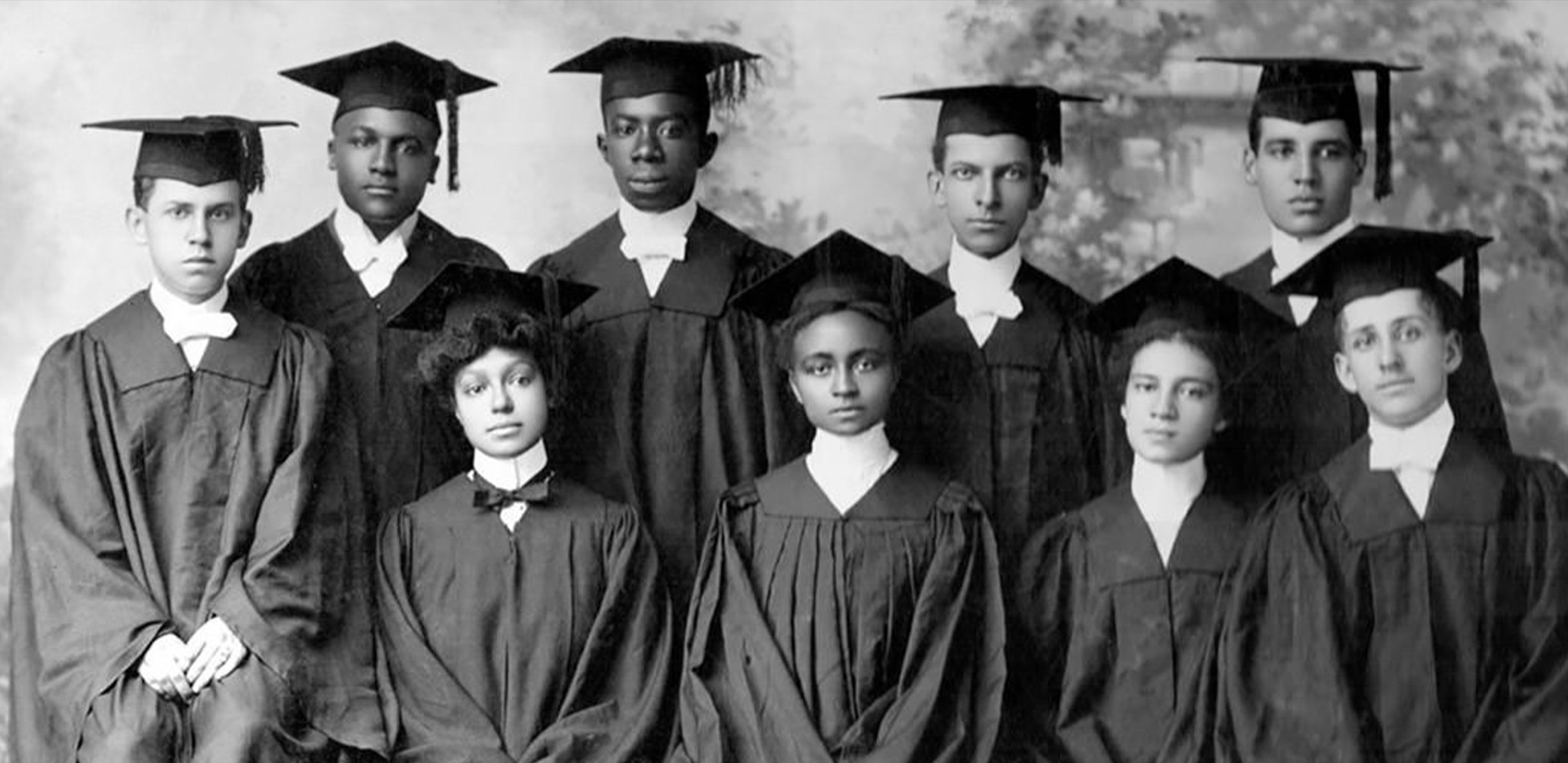
For centuries, HBCUs have built an astounding history of contributing, of over-delivering while being systematically under-resourced, of making remarkable progress to advance excellence while they, themselves, had to confront real inequities. It's a legacy of which we can all be proud.
-
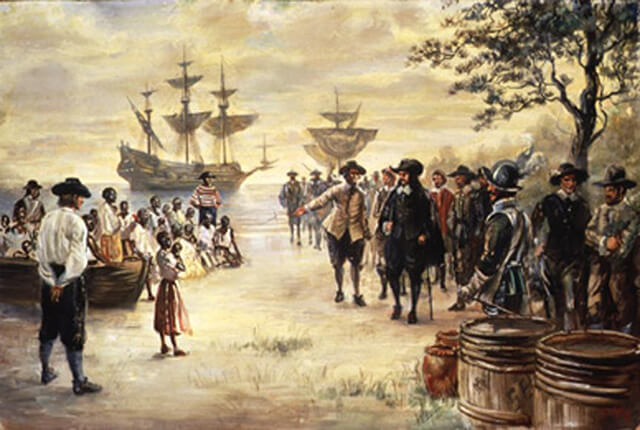
1619
First enslaved Africans arrive in British North America.
-
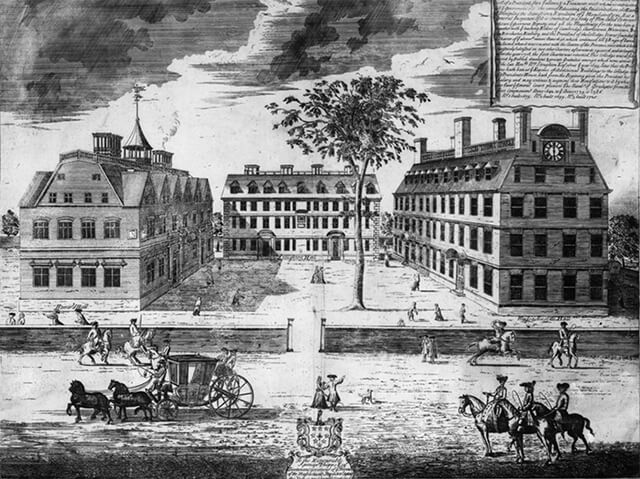
1636
Harvard, nation’s first college, established.
-
For the next 200 years, Black people excluded from higher education.
ANTEBELLUM
-
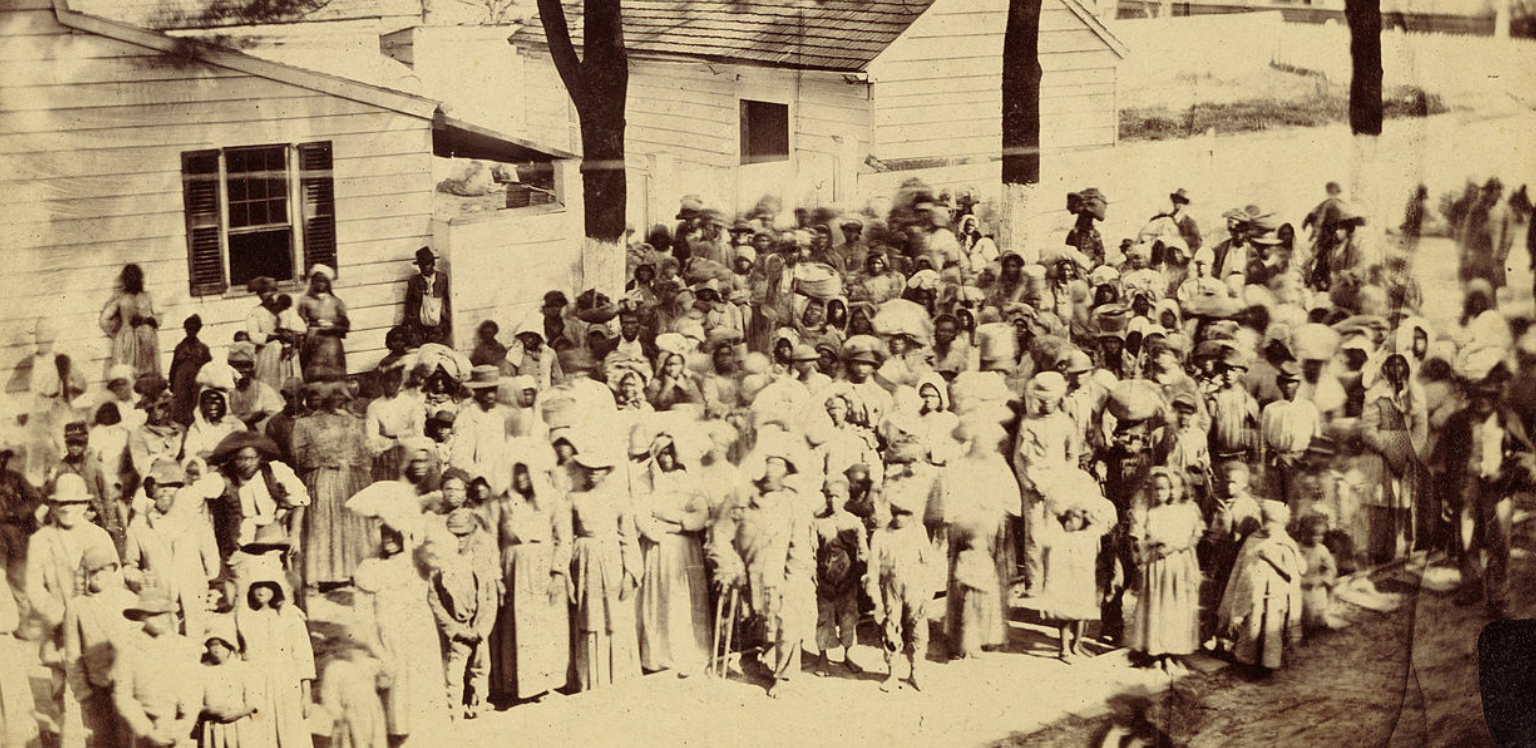
The first stirrings of Black higher education.
-
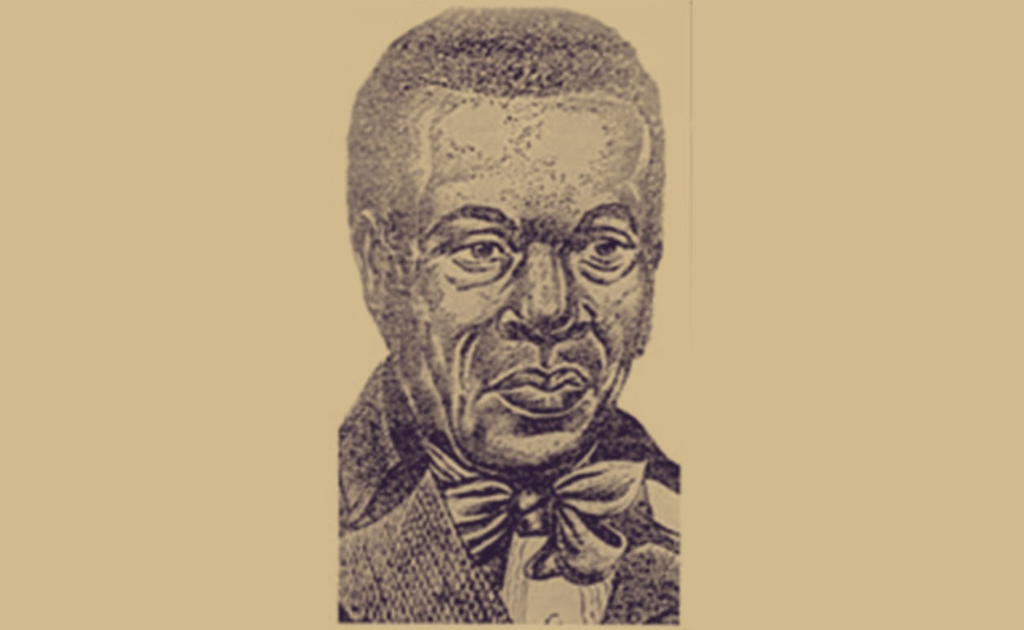
1799
John Chavis, a Presbyterian minister and teacher, first Black person on record to attend an American college or university (Middlebury College).
-
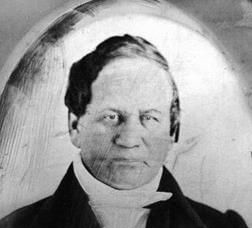
1823
Alexander Lucius Twilight, first Black college graduate in America (Middlebury College).
-
1833
Oberlin College founded. First to have a policy to admit and grant degrees to Black men and women.
-
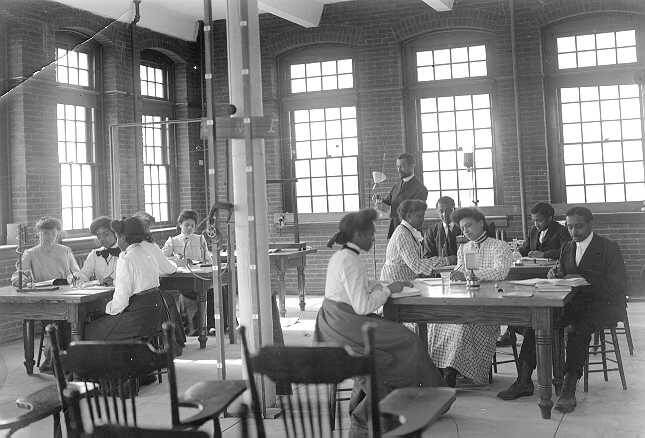
1837
Institute for Colored Youth (now Cheyney University), first Black educational institution, founded.
-
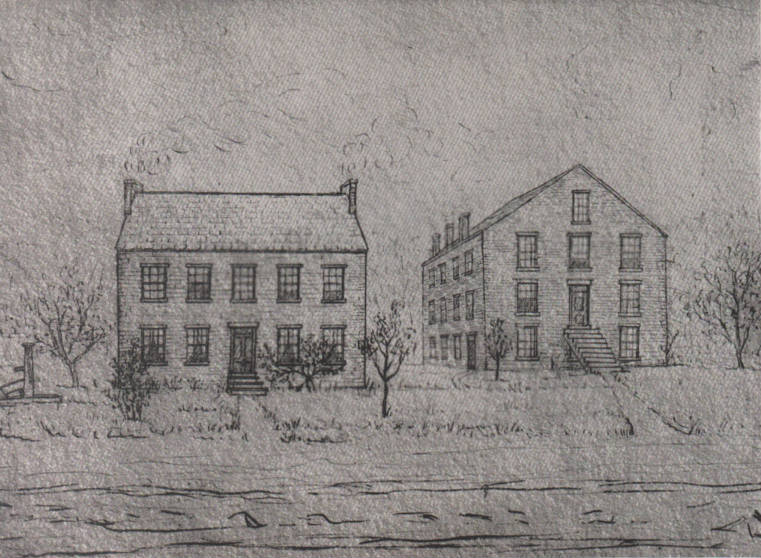
1854
Ashmun Institute (now Lincoln University), first Black higher education institution, founded.
-
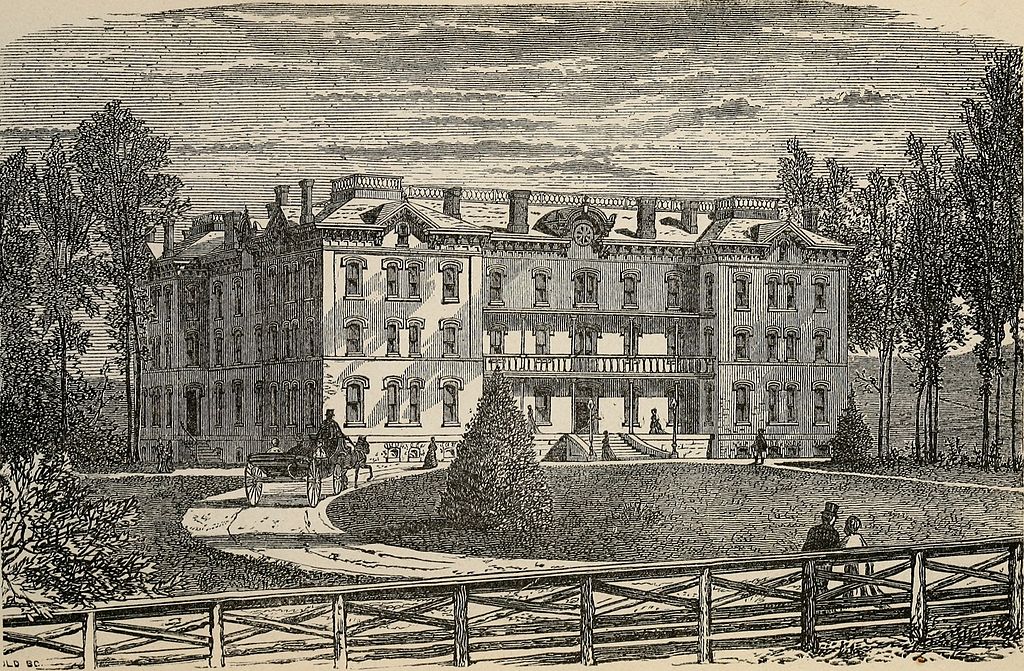
1855
Berea College, first interracial and coeducational college in the South, founded.
-
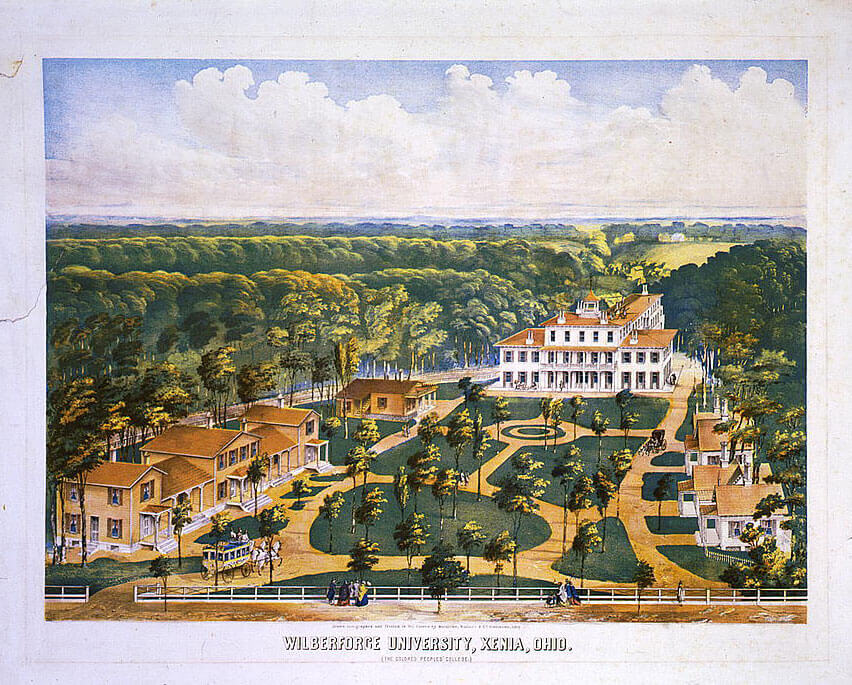
1856
Wilberforce University, first higher education institution controlled by Blacks, founded.
-
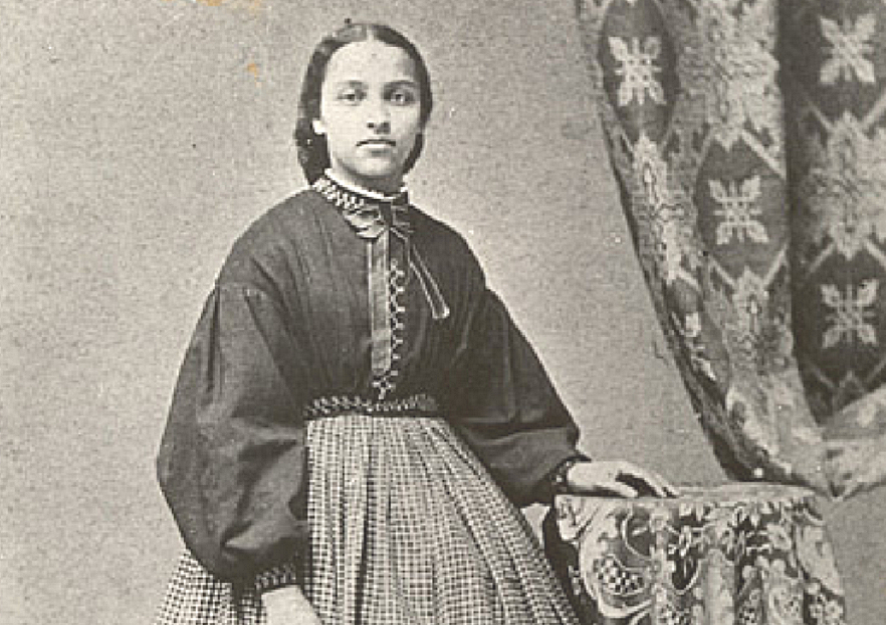
1862
Mary Jane Patterson, first Black woman to earn a bachelor's degree (from Oberlin College).
-
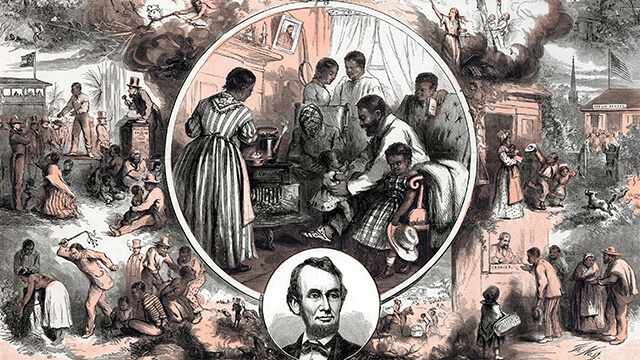
1863
President Abraham Lincoln signs the Emancipation Proclamation.
-
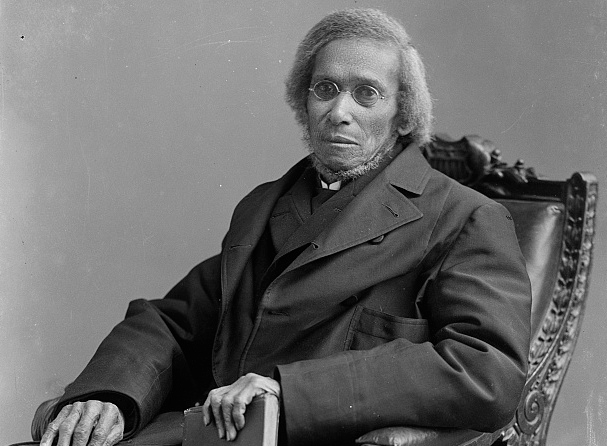
1863
Daniel A. Payne, first Black president of a college (Wilberforce University).
RECONSTRUCTION ERA
-
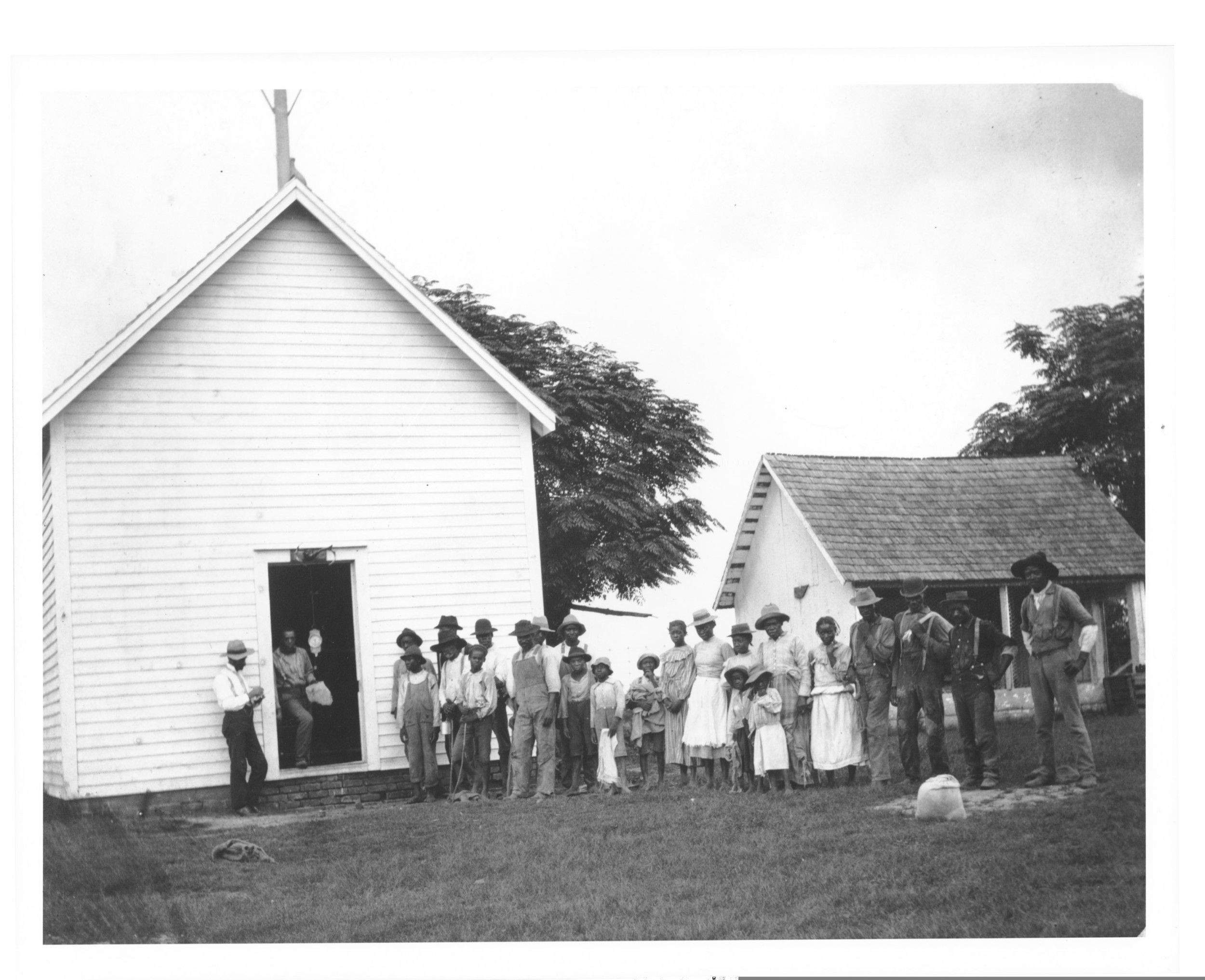
A brief new era of possibility.
-
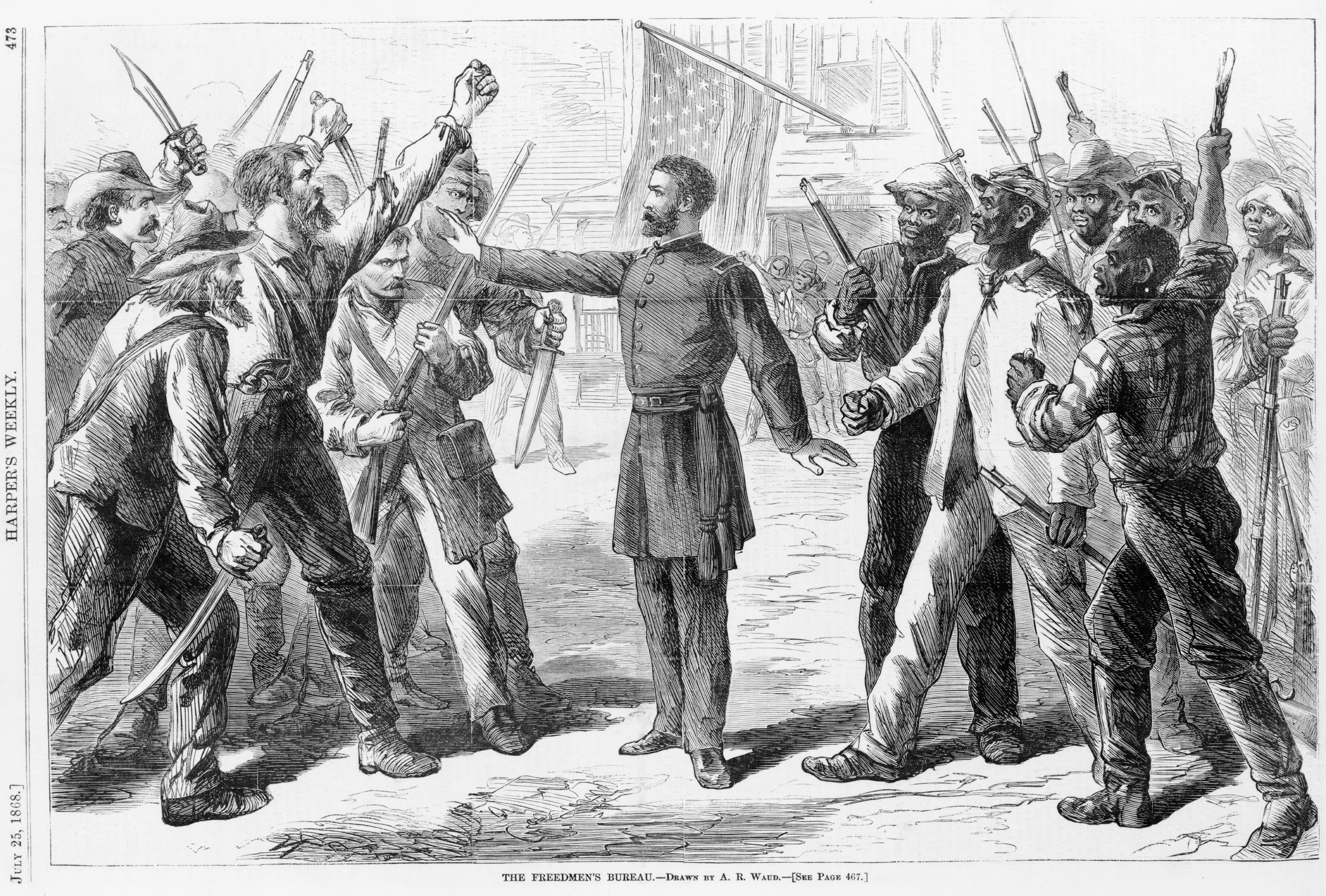
1865
Freedmen's Bureau Act, providing funding and training for Black people, established.
-
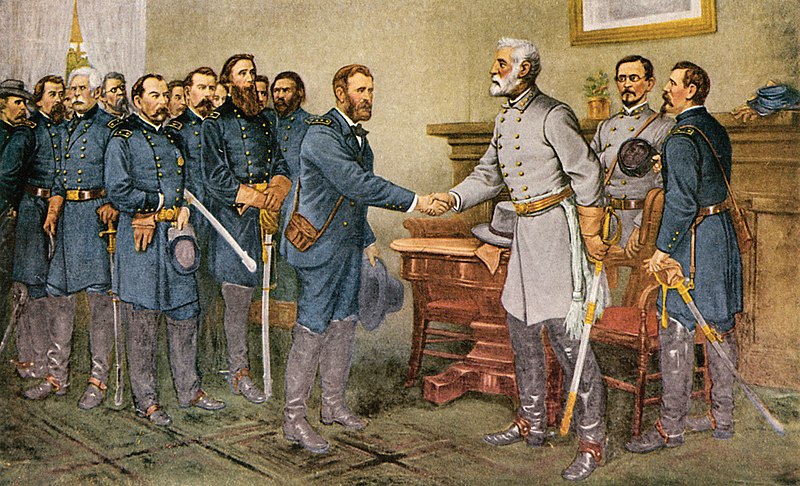
1865
Civil War ends with the surrender of the Confederate army.
-
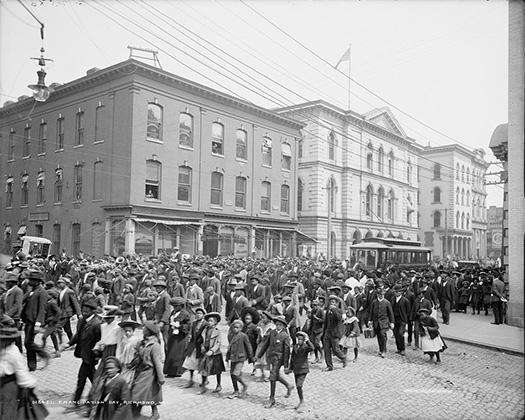
1865
JUNETEENTH Photo credit: Detroit Publishing Company
-
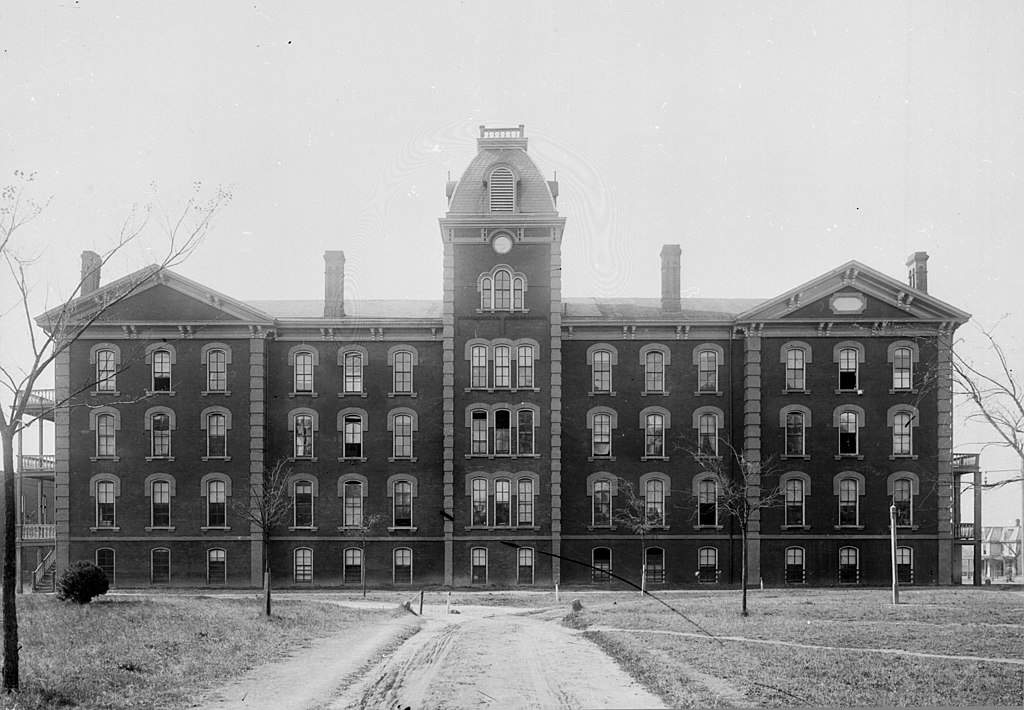
1865
Shaw University, first HBCU in the South, founded.
-
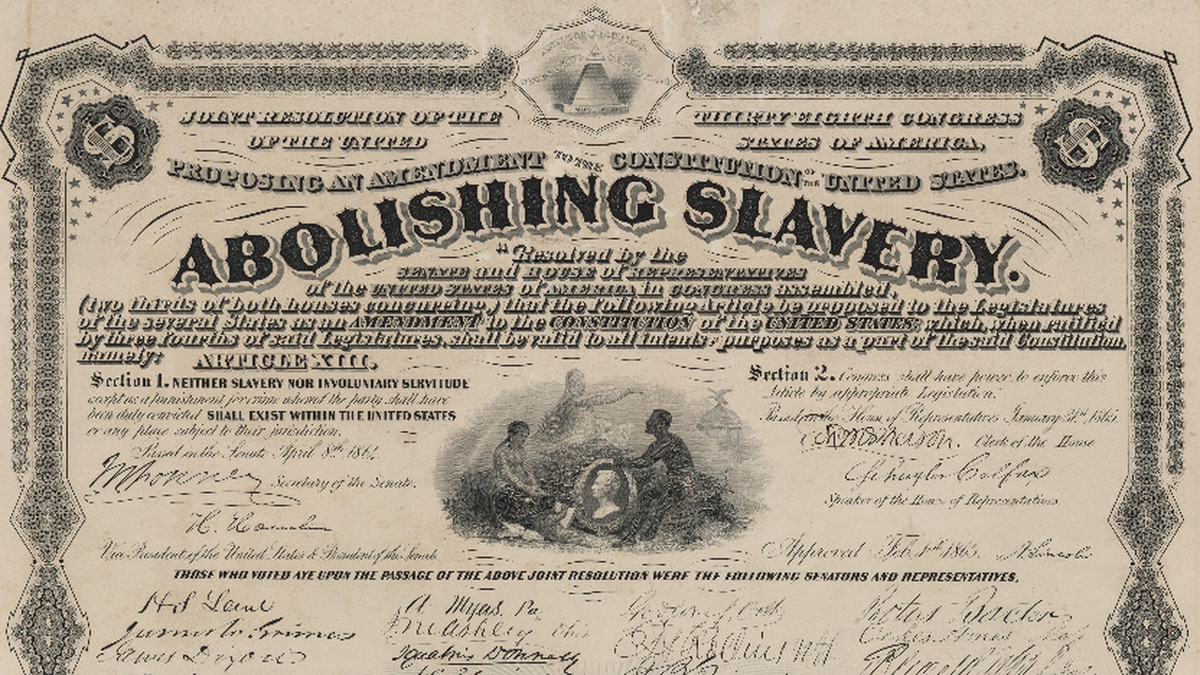
1865
U.S. Constitution 13th, 14th and 15th Amendments adopted.
-
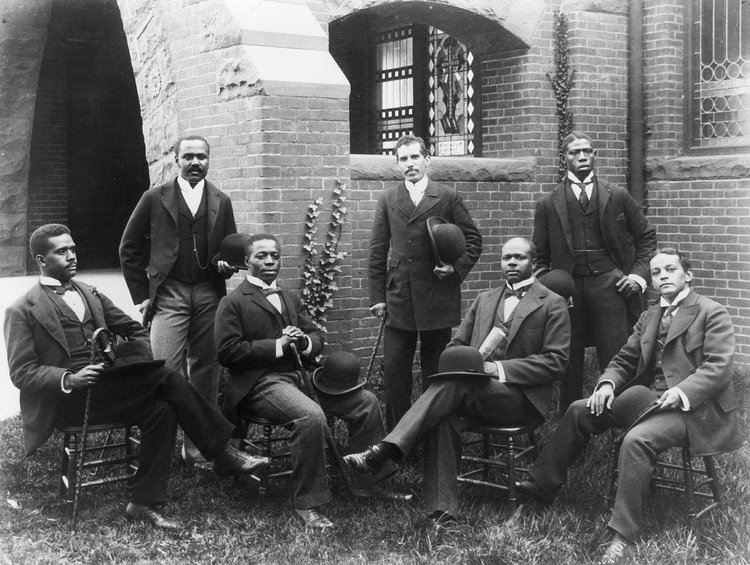
1867
Nine HBCUs founded: Alabama State University, Morgan State University, Barber-Scotia College, Fayetteville State University, Howard University, Johnson C. Smith University, Morehouse College, St. Augustine’s University, Talladega College.
-
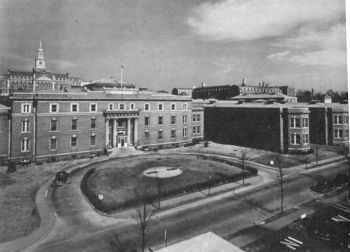
1868
Howard University College of Medicine, HBCU-first, founded.
-
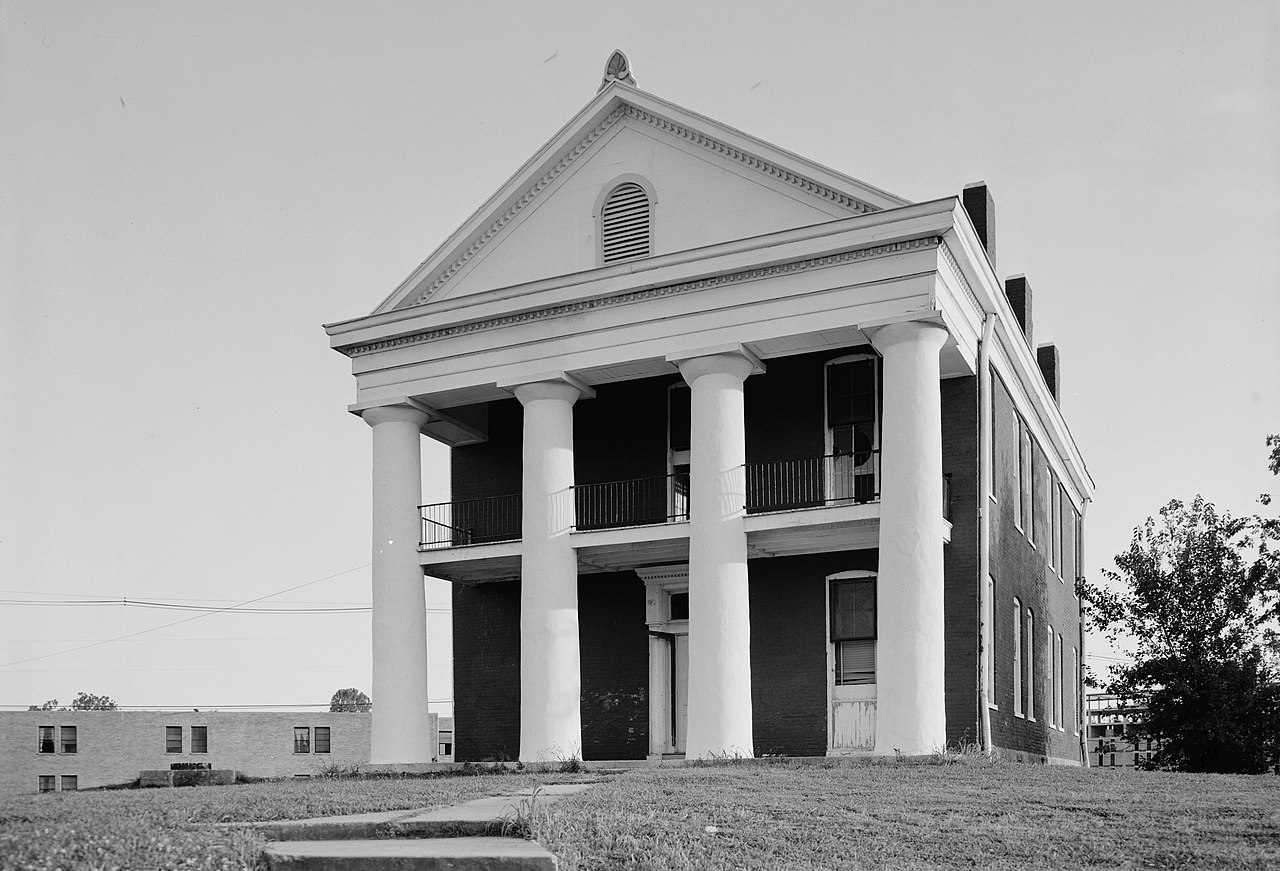
1871
Alcorn State University, first Black land-grant college, founded.
-
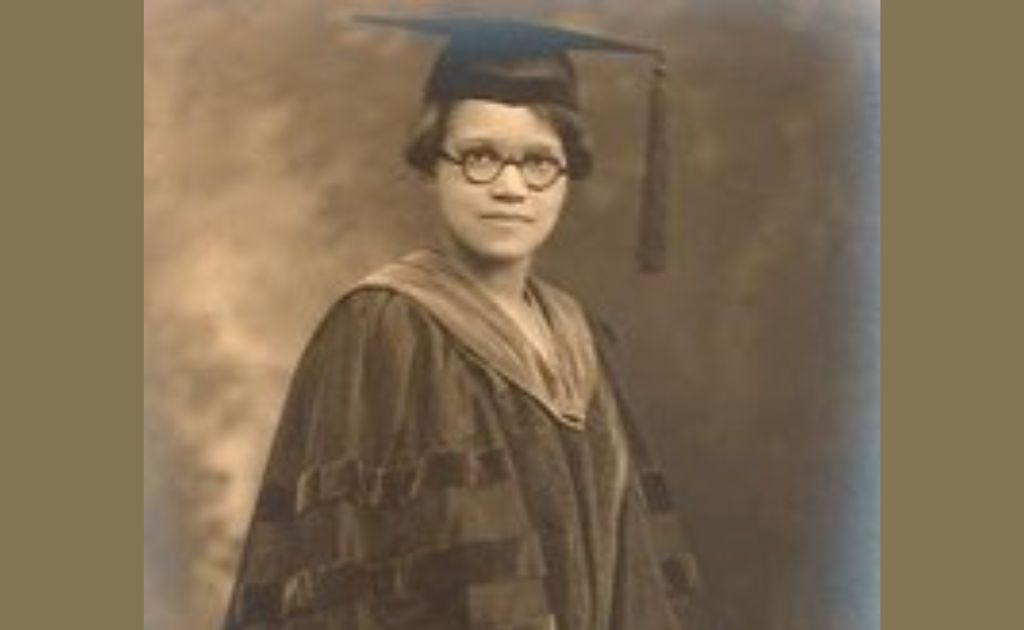
1872
Charlotte Ray, first Black woman law graduate (Howard University Law School).
-
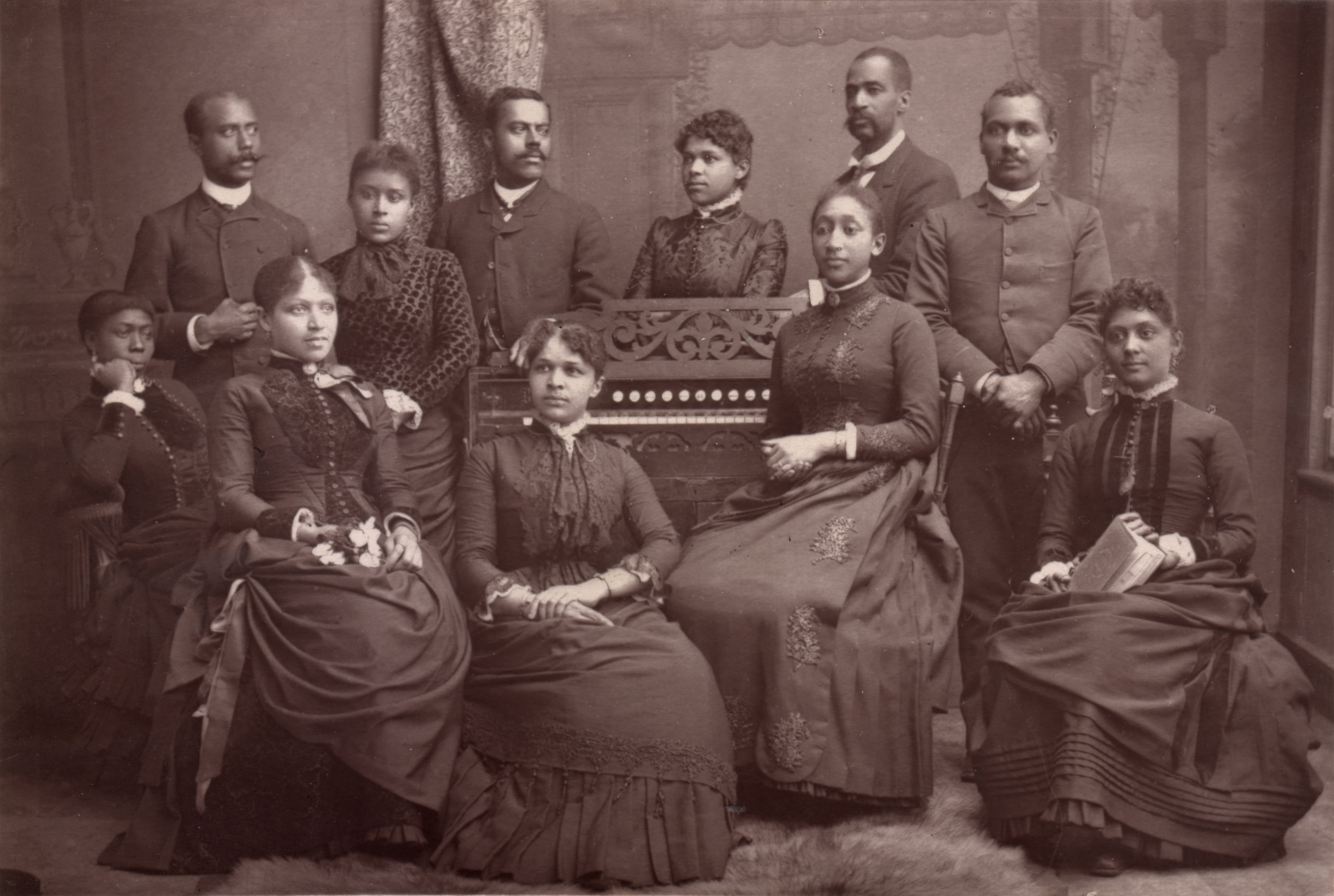
1873
Fisk University Jubilee Singers renamed by Queen Victoria.
JIM CROW ERA
-
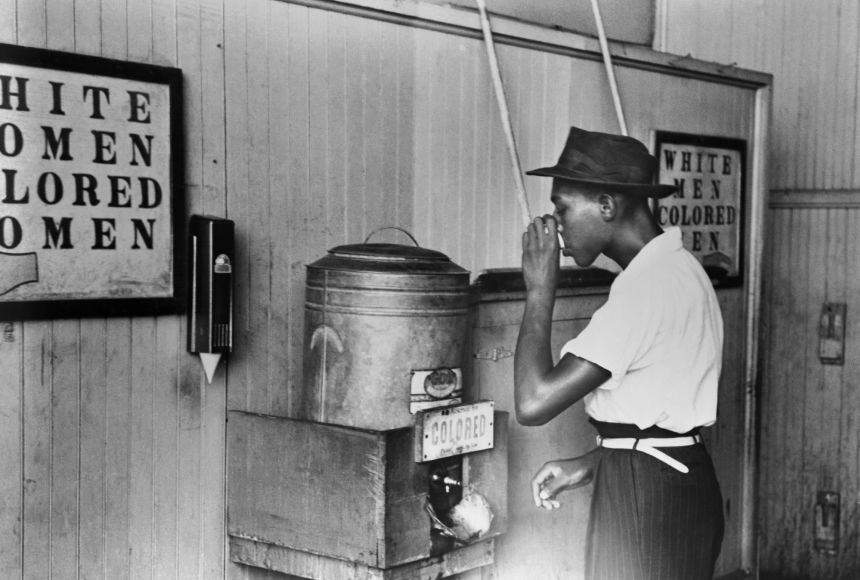
The racist reaction to progress.Photo credit: Russell Lee/GETTY
-
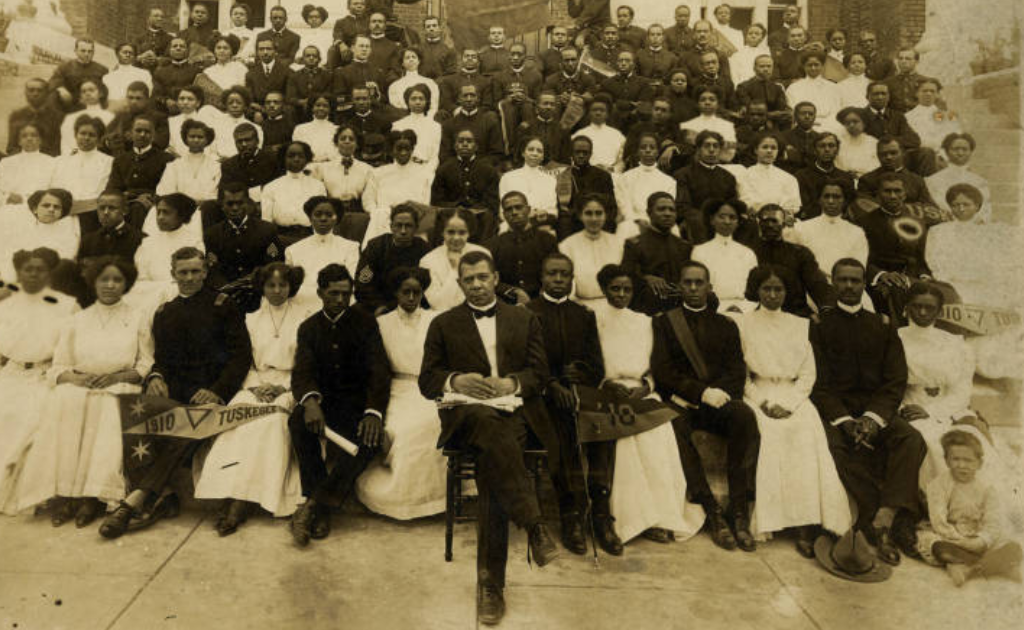
1881
Tuskegee University founded. Booker T. Washington named first president.Photo credit: Tuskegee University
-
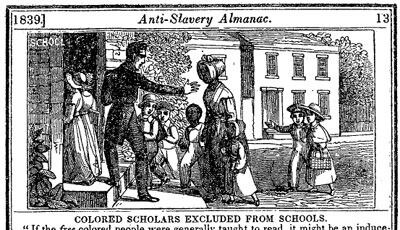
1890
Second Morrill Land-Grant Act forbids racial discrimination in admissions.
-
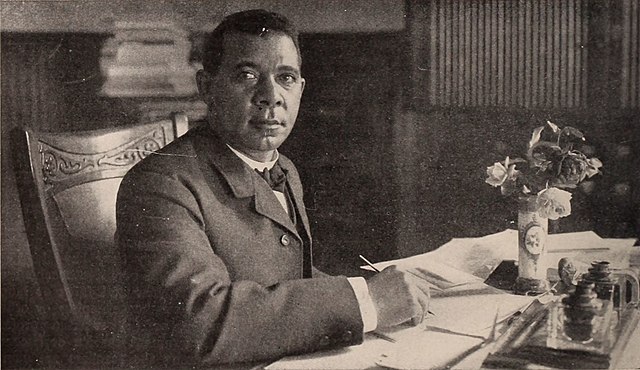
1895
Booker T. Washington gives Atlanta Compromise speech.
-
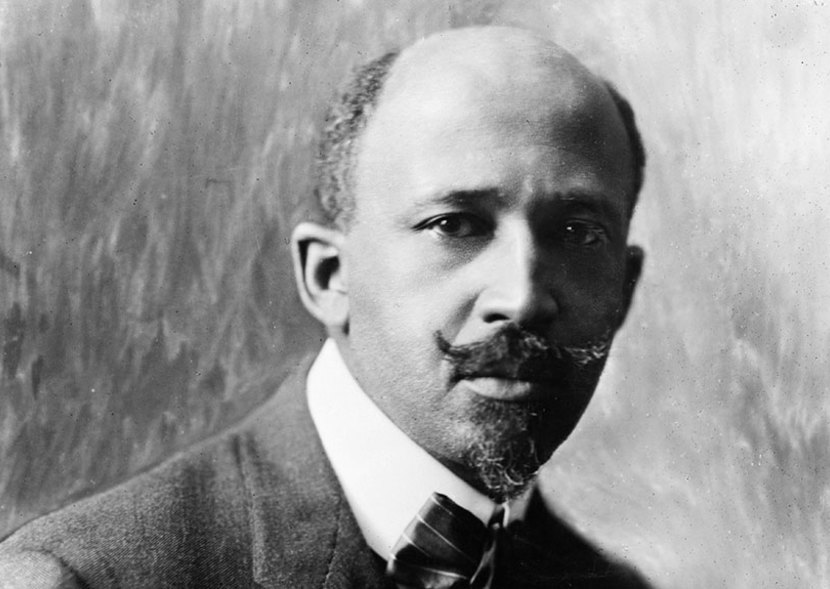
1895
W.E.B. DuBois, first Black Ph.D. recipient from Harvard.
-
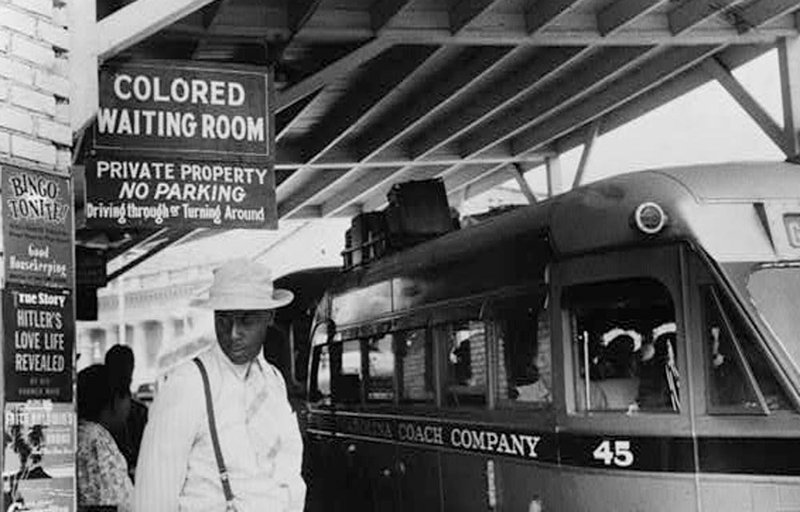
1896
Supreme Court issues Plessy v. Ferguson, mandating separate-but-equal in public accommodations.
-
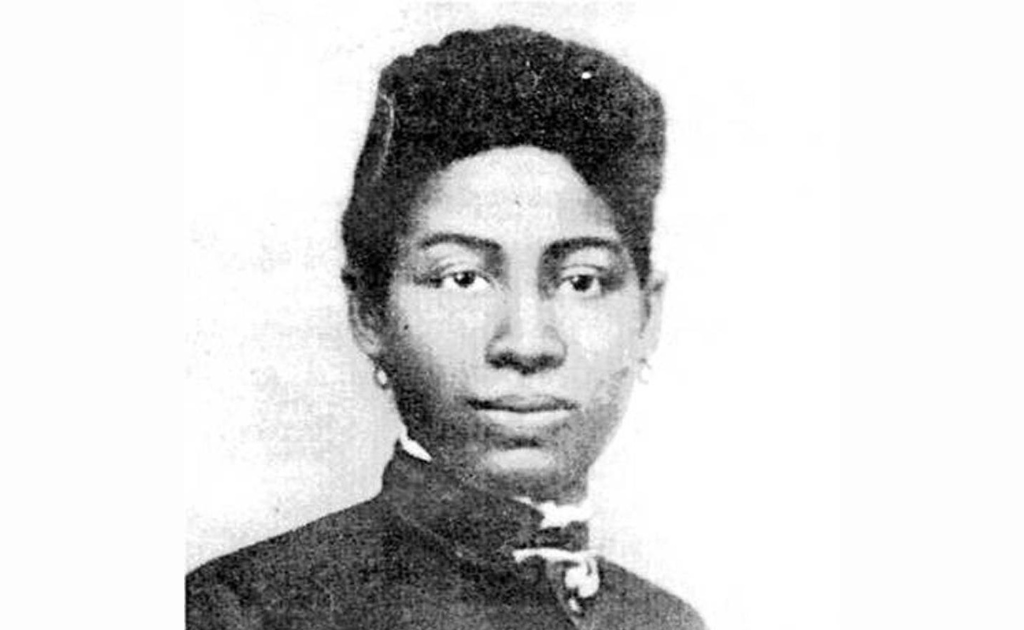
1897
Elizabeth Evelyn Wright, first Black woman to establish college, Denmark Industrial Institute (now Voorhees University).
-
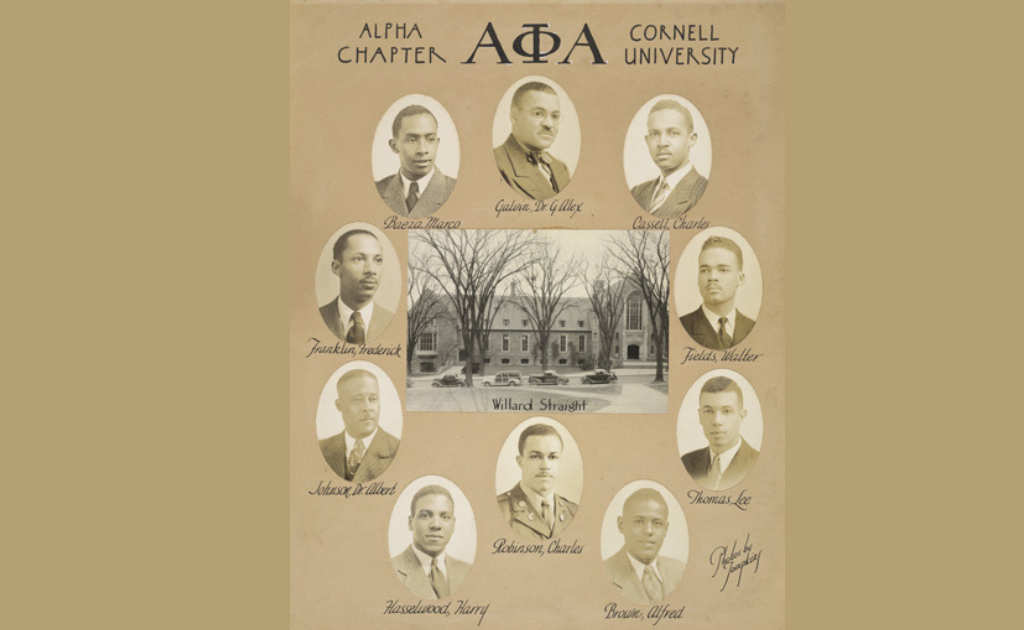
1906
Alpha Phi Alpha Fraternity, first of Divine 9 Black fraternities and sororities, founded at Cornell University.
-
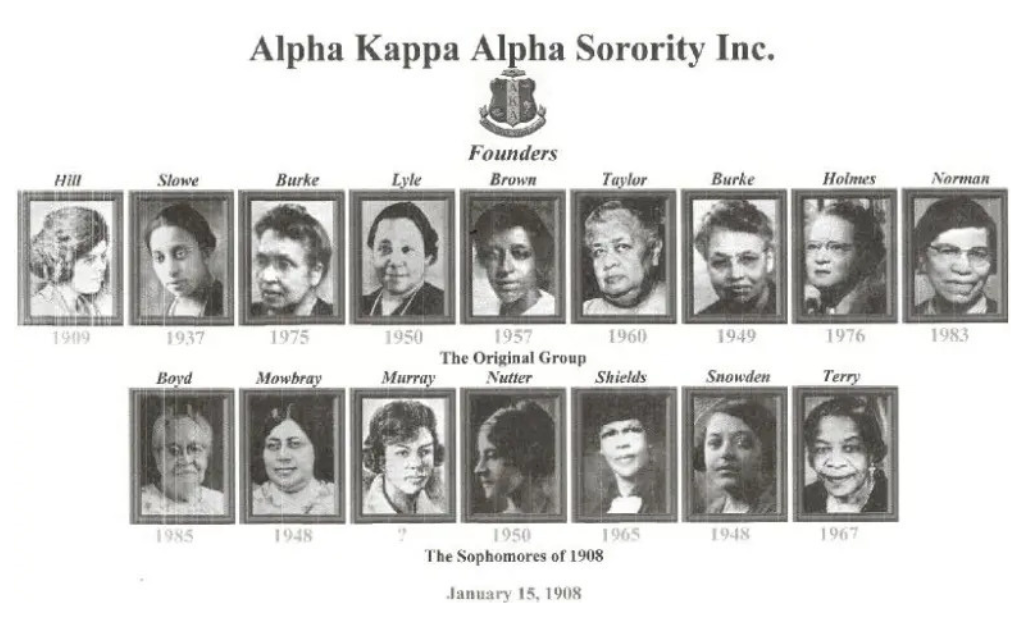
1908
Alpha Kappa Alpha, first sorority for Black college women, founded at Howard University.
-
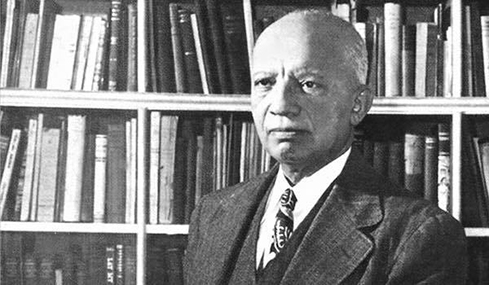
1926
Carter G. Woodson establishes Negro History Week (now Black History Month).
-
1928
Southern Association of Colleges and Schools begins to accredit Black colleges and universities.
GREAT DEPRESSION, NEW DEAL & WORLD WAR II
-
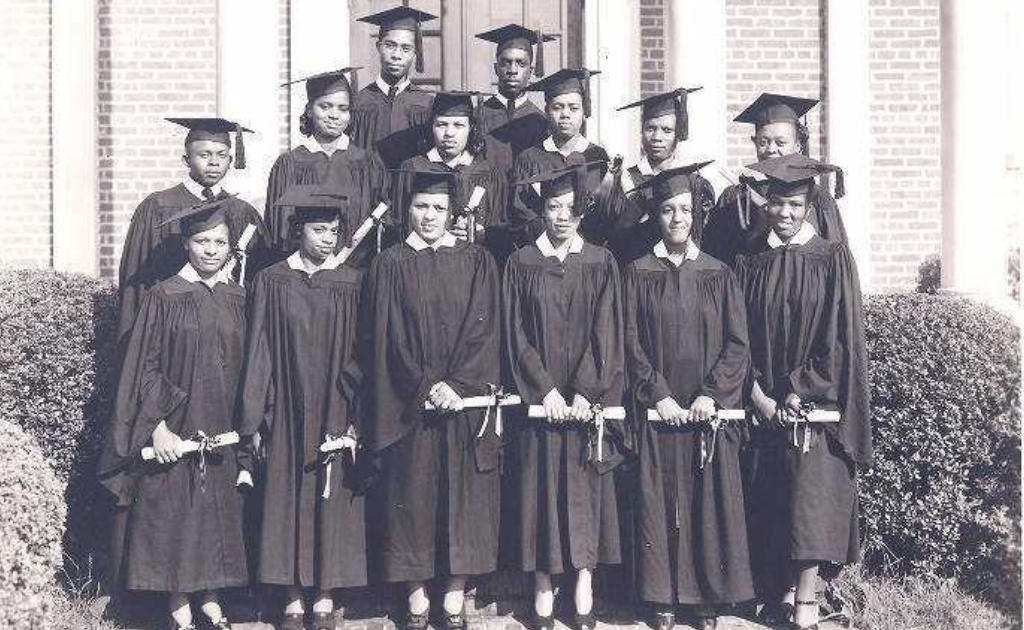
As markets crashed and the world burned, our people marched forward.Photo credit: Bowie State University
-
1928
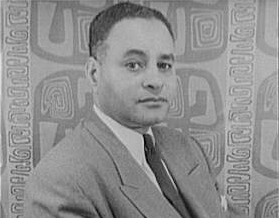
Ralph Bunche, first Black Nobel Peace Prize winner, starts Howard University Political Science Department.
-
1932
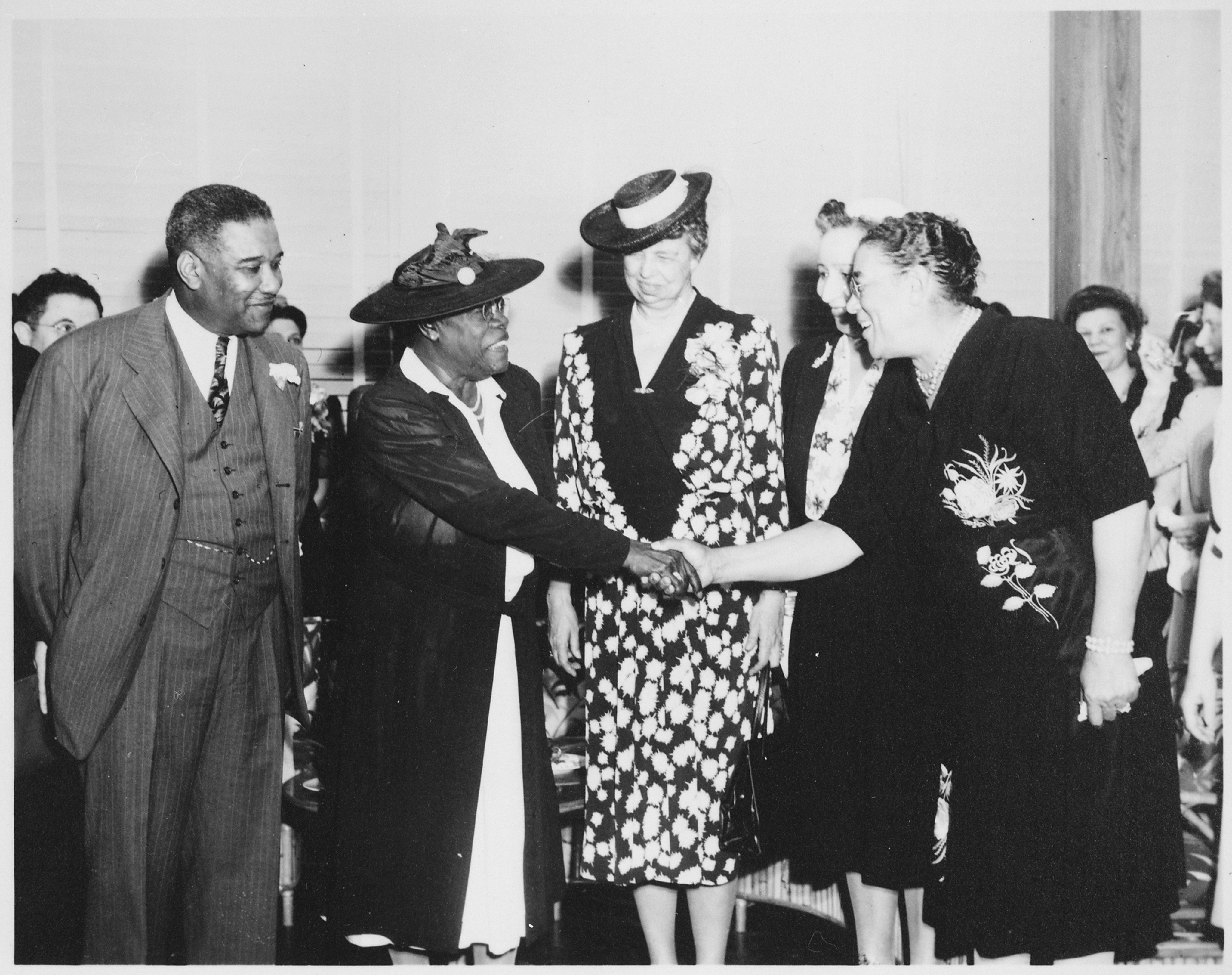
Mary McCleod Bethune, founder of Bethune-Cookman University, invited to be President Franklin D. Roosevelt advisor.
-
1932
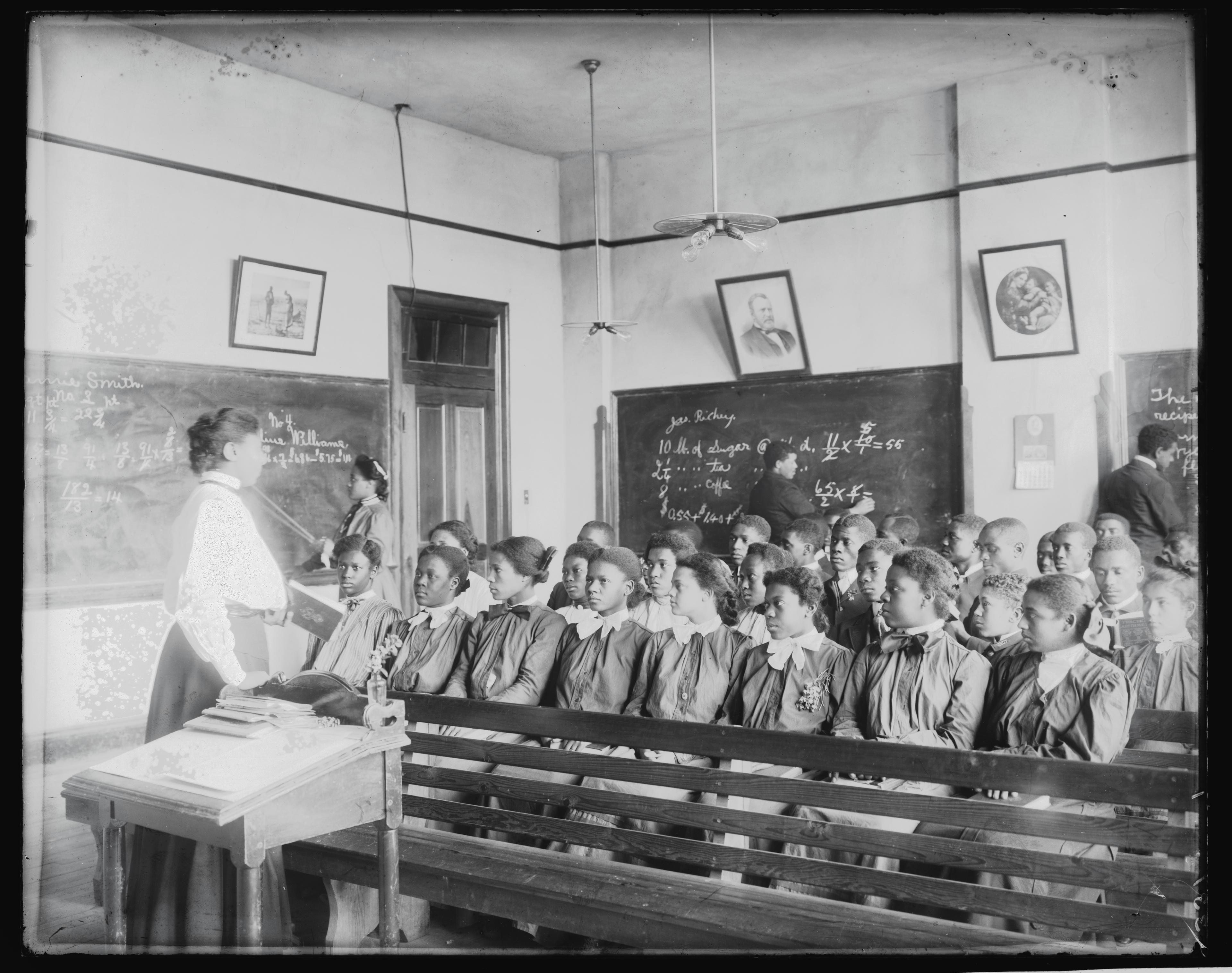
The Journal of Negro Education begins publication.
-
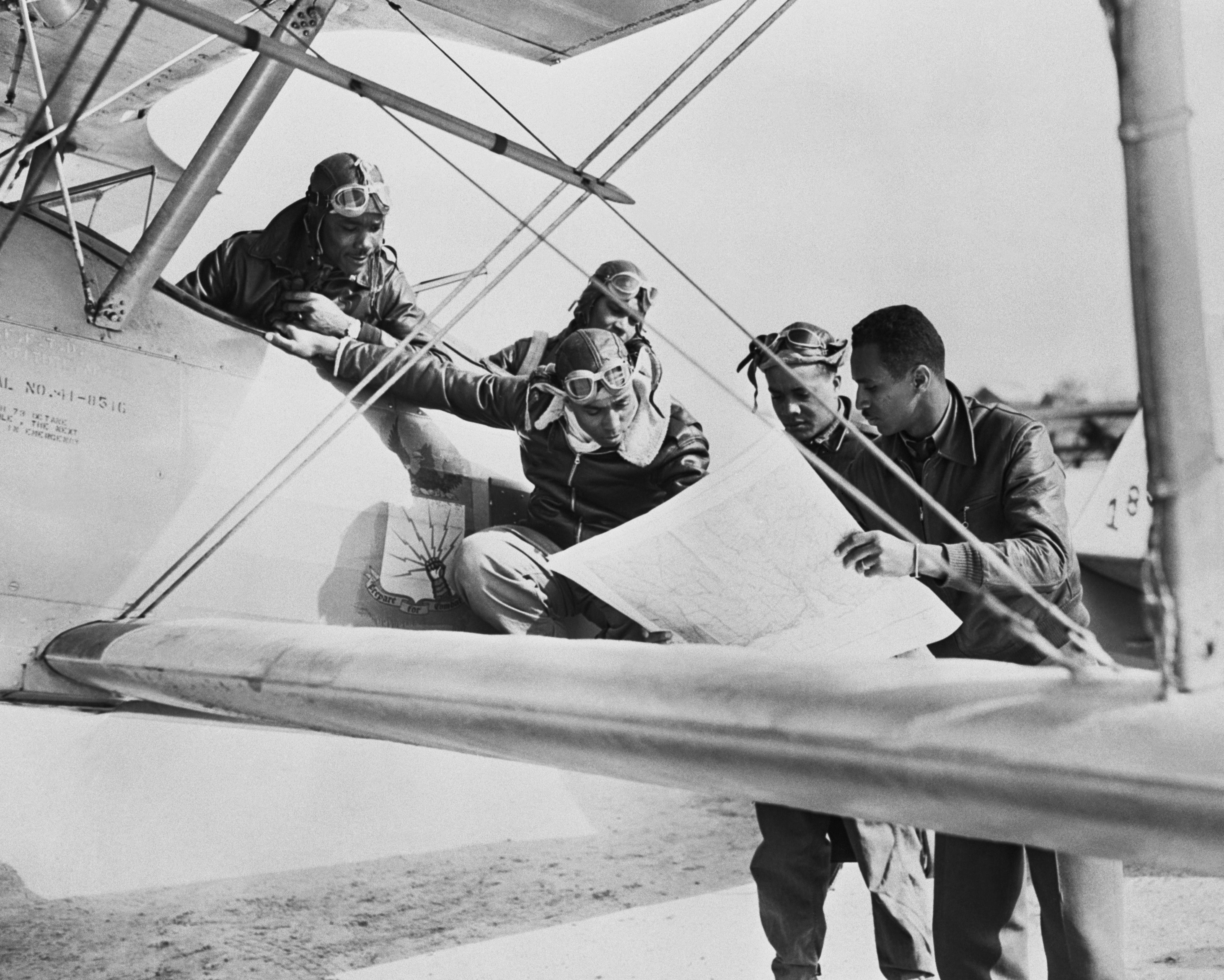
1941
Tuskegee Airmen become first Black aviators in U.S. Army Air Corps.Photo credit: GETTY
-
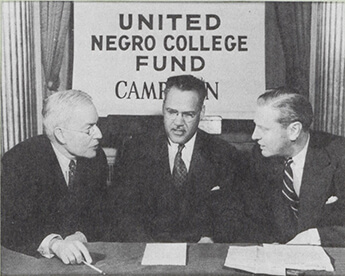
1944
United Negro College Fund founded by Frederick D. Patterson, Mary McLeod Bethune and William Trent.
-
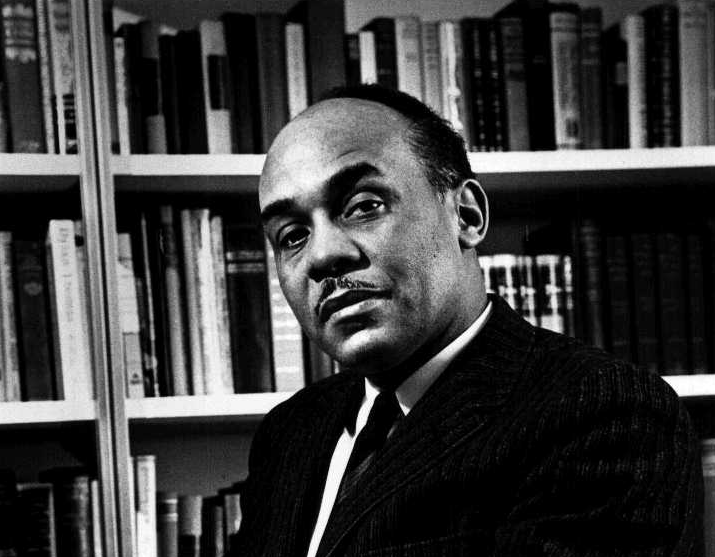
1952
Ralph Ellison, educated at Tuskegee University, publishes Invisible Man.
-
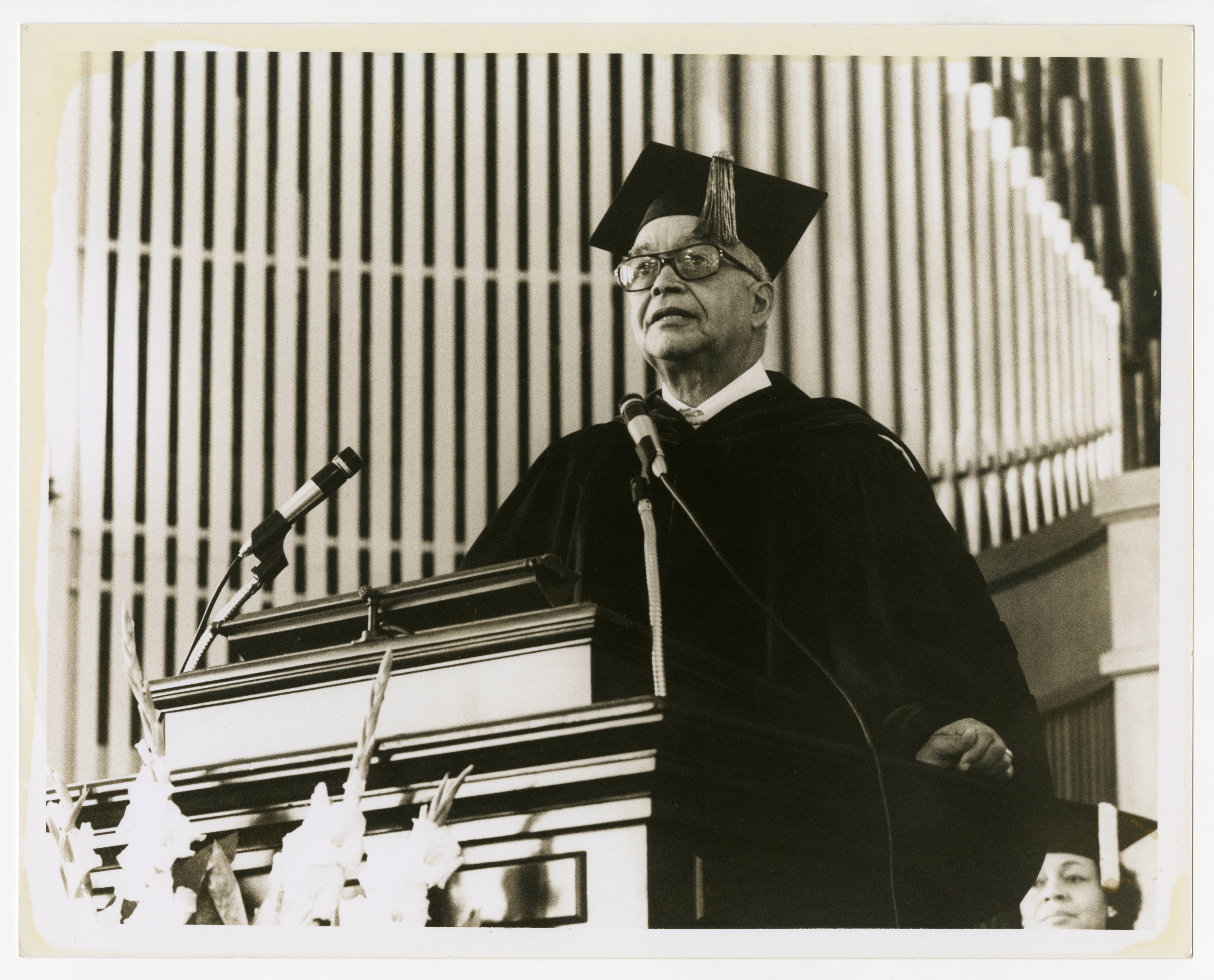
1953
Albert E. Manley, first Black president of Spelman College. Photo credit: Robert W. Woodruff Library
CIVIL RIGHTS MOVEMENT
-
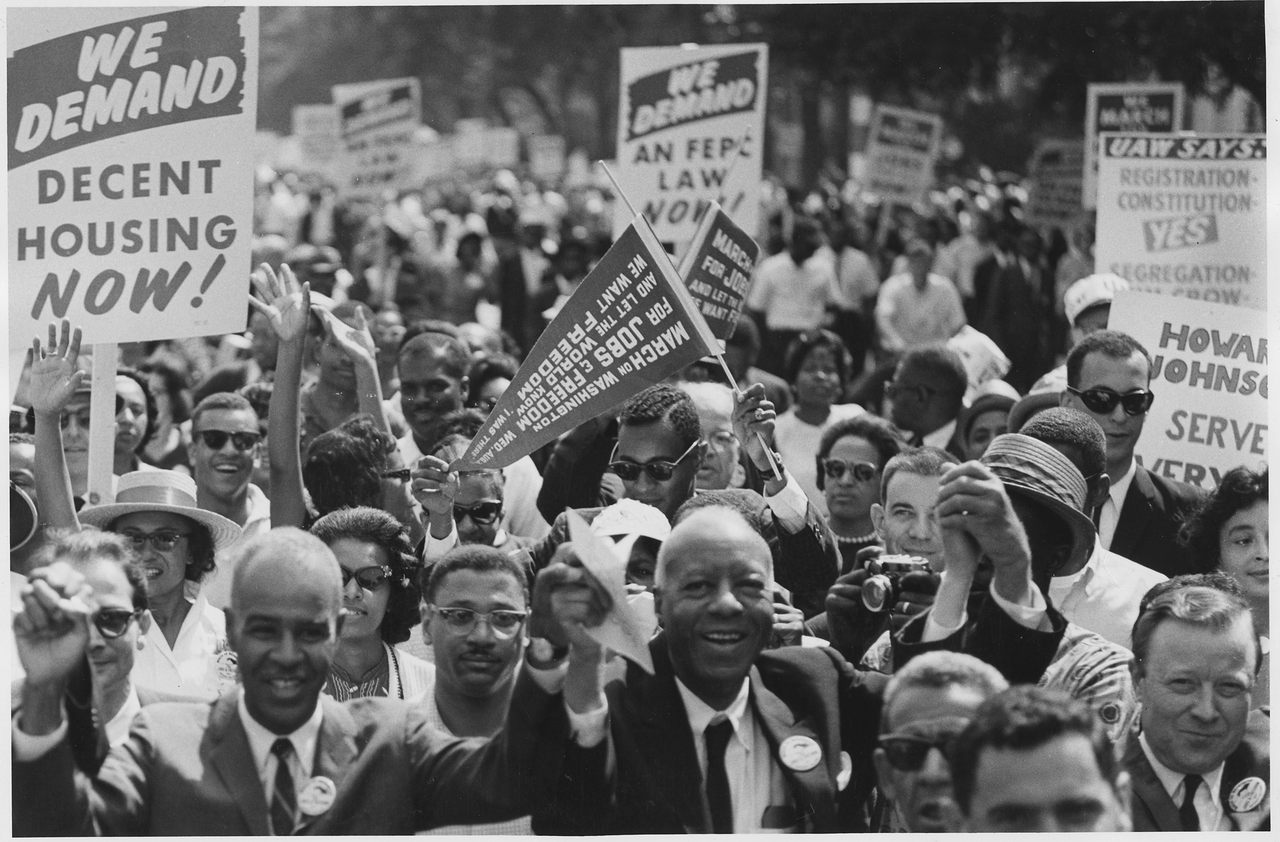
A new birth of freedom.
-
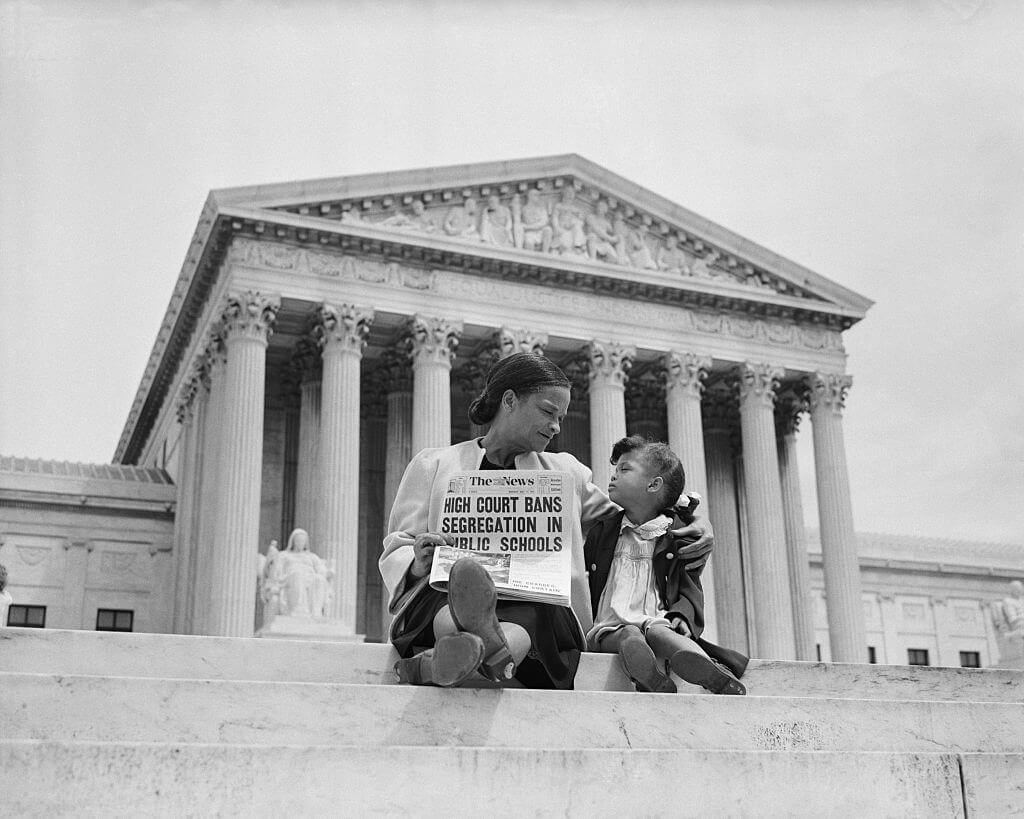
1954
U.S. Supreme Court issues Brown v. Board of Education.
-
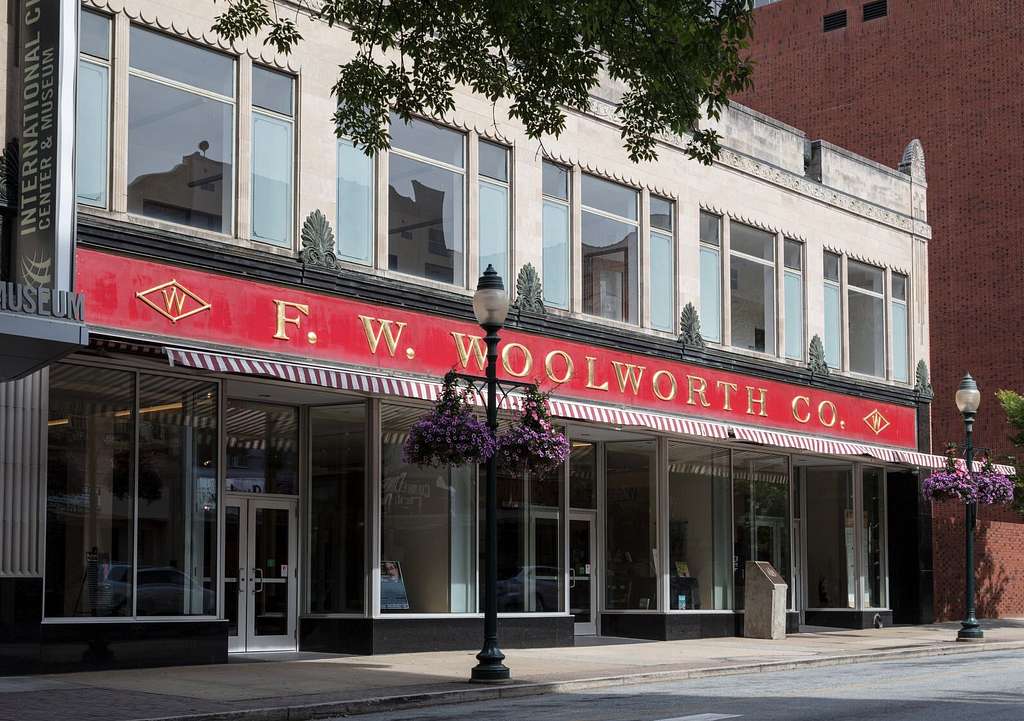
1960
Greensboro sit-in staged by North Carolina Agricultural & Technical College students.
-
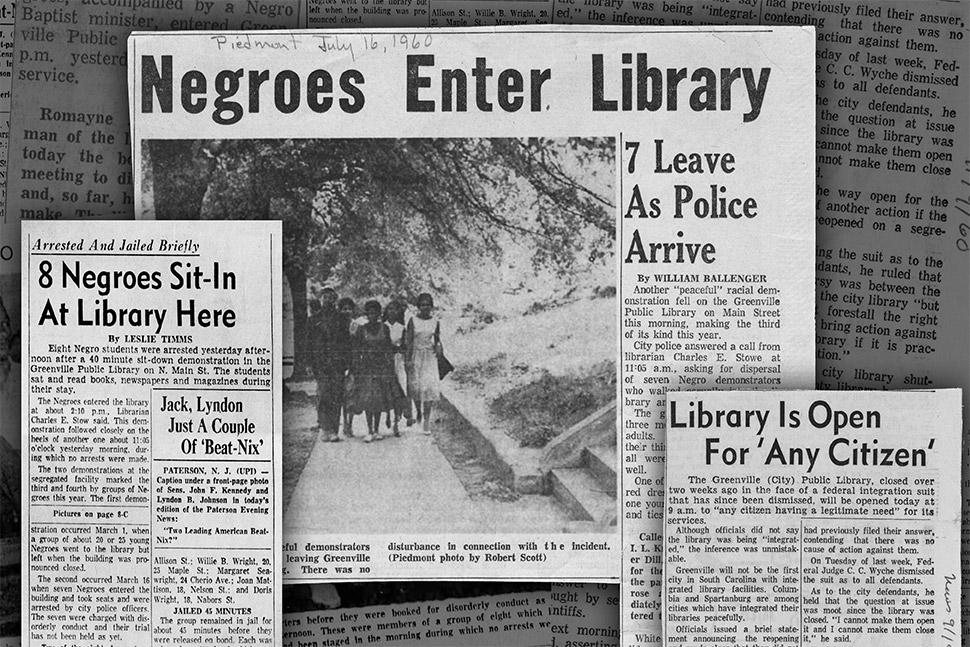
1961
The Tougaloo Nine stage sit-ins at Jackson Main Library. Photo credit: livingfamilyhistory.com
-
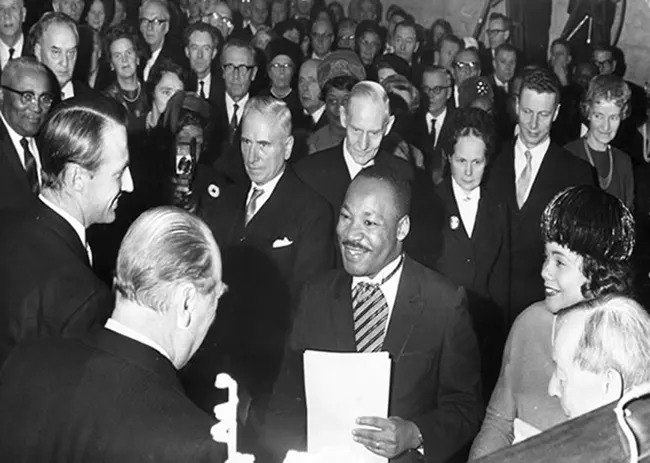
1964
Martin Luther King, Jr., Morehouse College graduate, awarded Nobel Peace Prize.
-
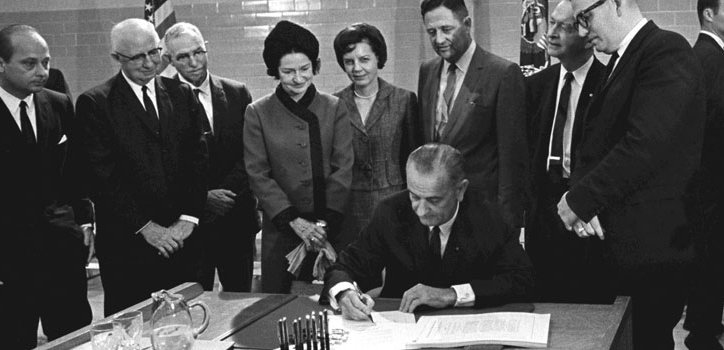
1964
Landmark Civil Rights Act, outlawing discrimination based on race, color, religion, sex and national origin, enacted.
-
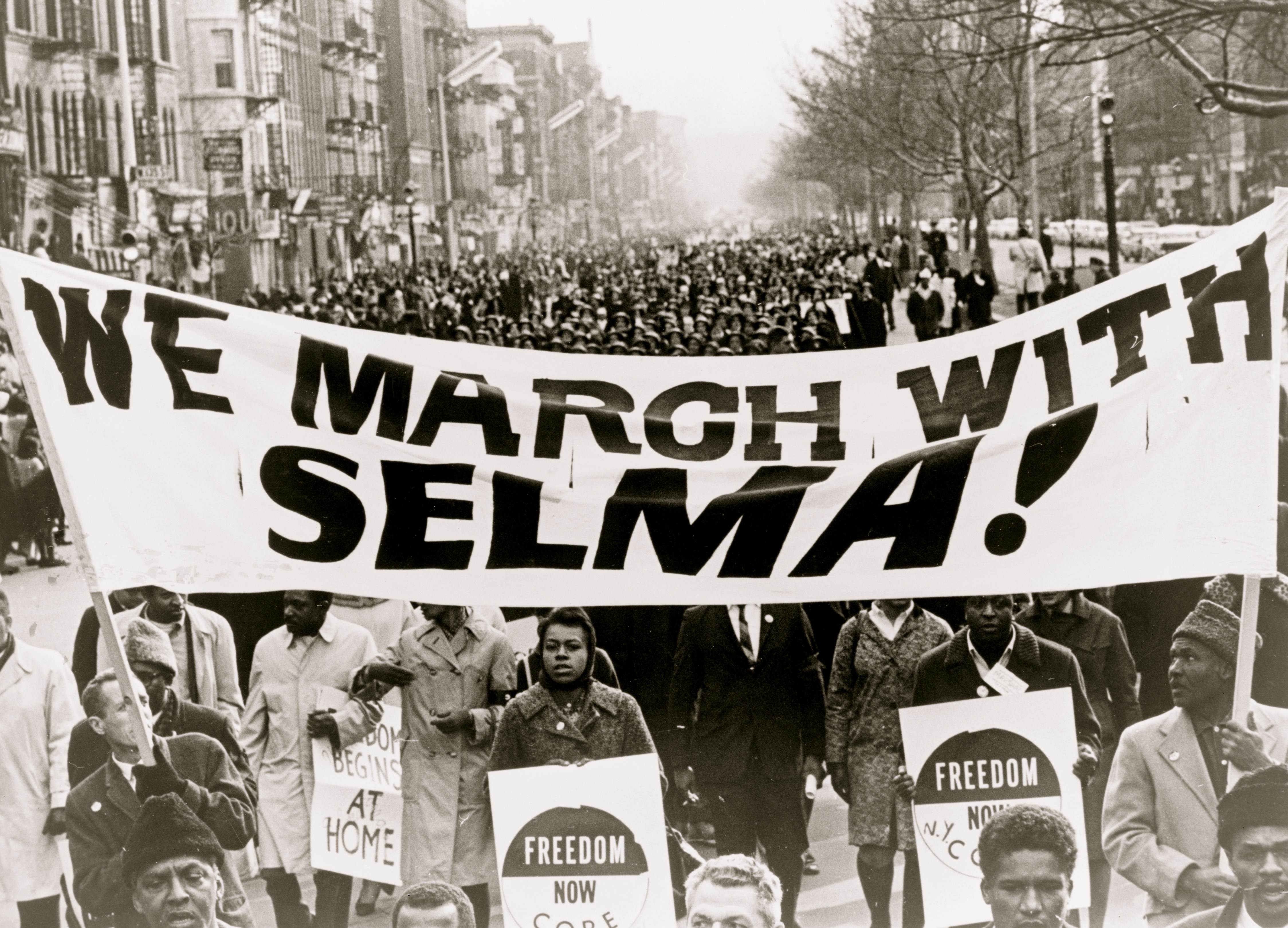
1965
Protestors march from Selma to Montgomery, leading to the passage of the Voting Rights Act. Photo credit: GETTY
-
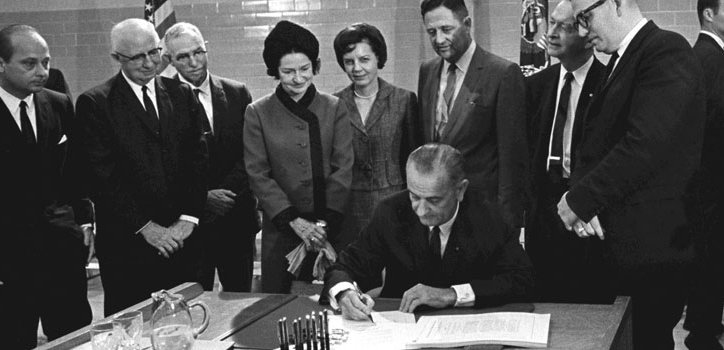
1965
Higher Education Act of 1965 recognizes HBCUs, providing dedicated federal funding.
-
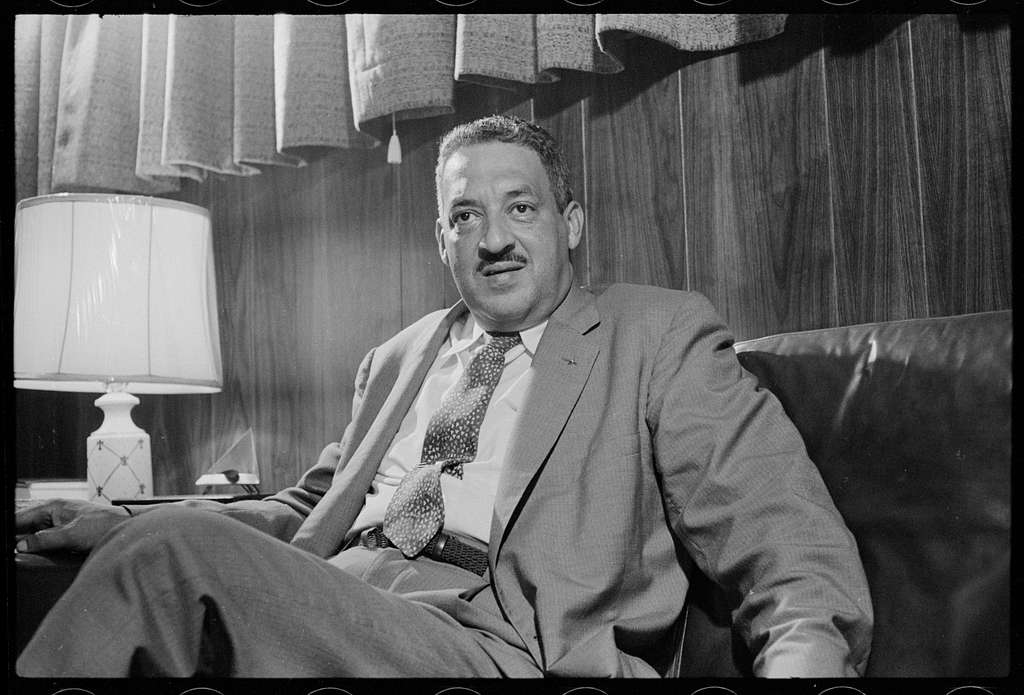
1967
Thurgood Marshall named to the U.S. Supreme Court by President Lyndon Johnson.
POST CIVIL RIGHTS ERA
-
Steps forward and back.
-
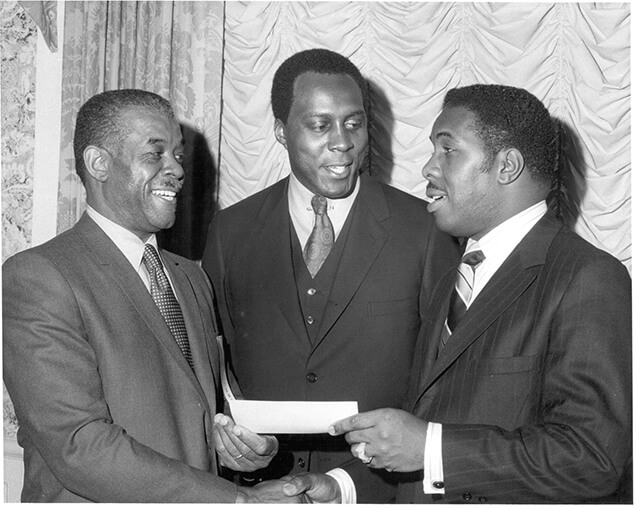
1972
UNCF launches “A mind is a terrible thing to waste.”
-
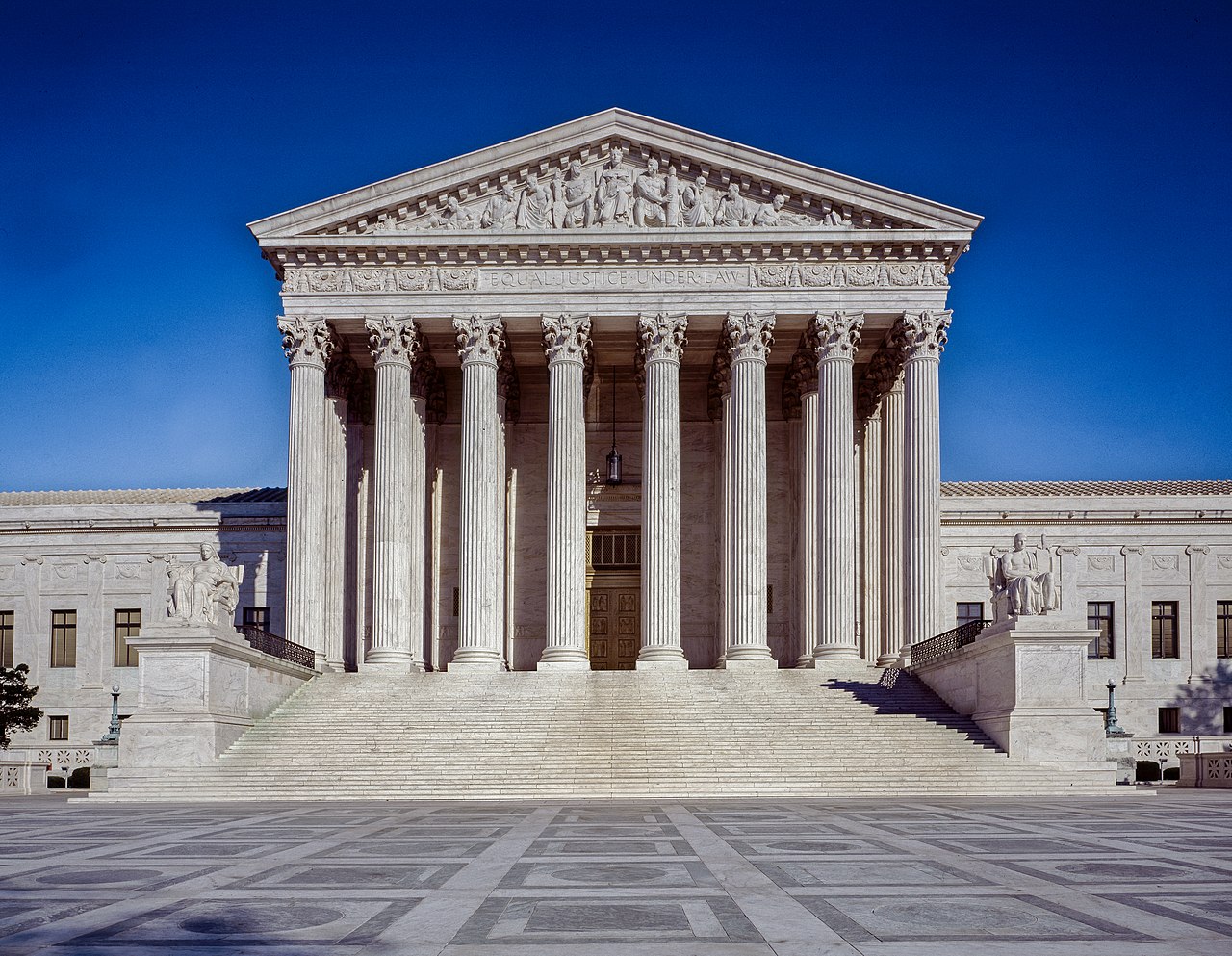
1978
Supreme Court issues the Bakke decision upholding affirmative action.
-
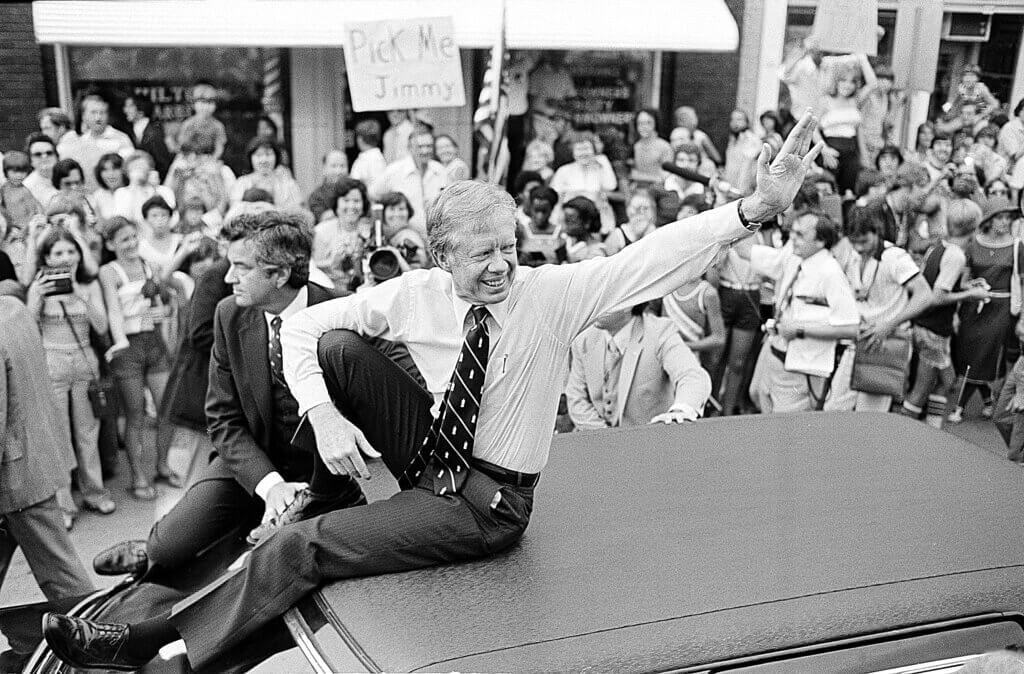
1980
President Carter establishes White House Initiative on HBCUs.
-
1980
UNCF's first annual telethon raises $14.1 million.
-
1987
Joyce Payne establishes Thurgood Marshall College Fund.
-
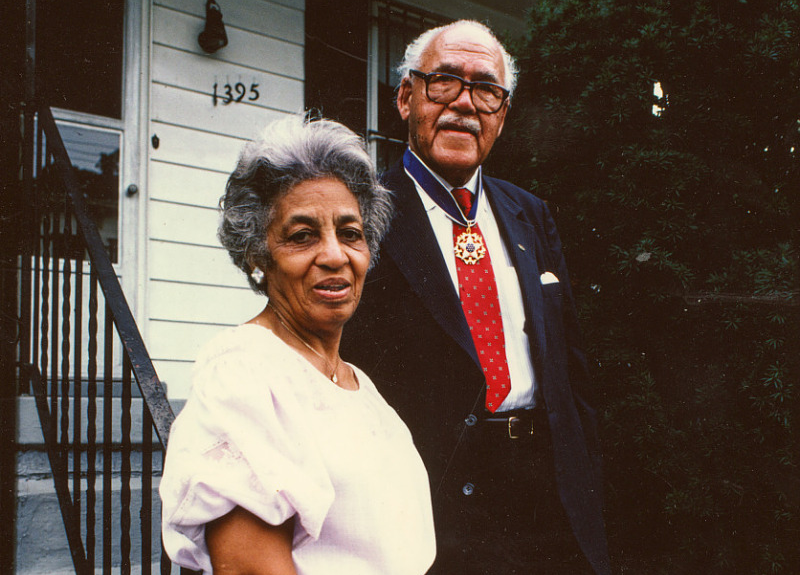
1987
Frederick D. Patterson awarded the Presidential Medal of Freedom.
-
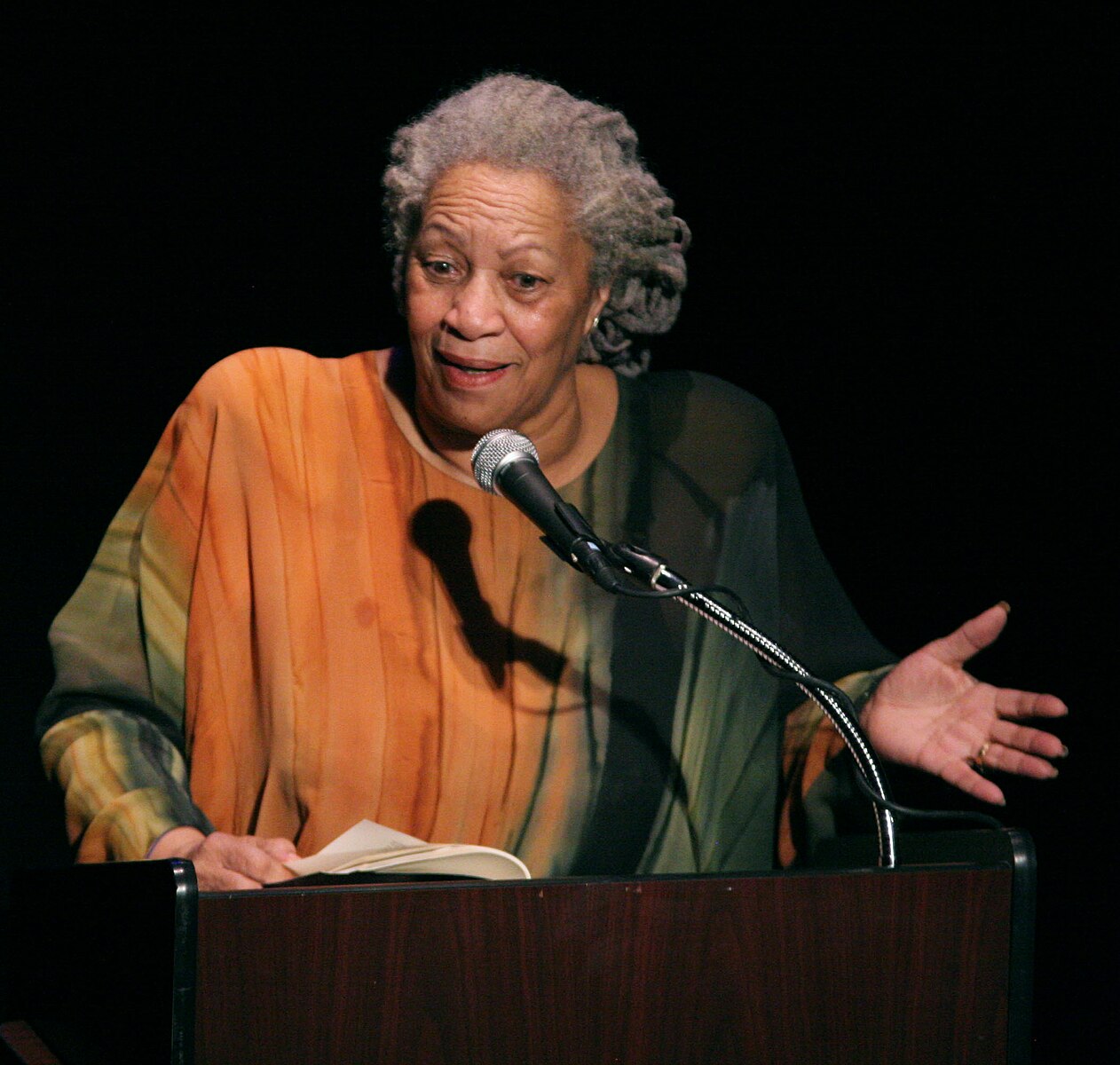
1993
Toni Morrison, Howard University graduate, first Black winner of Nobel Prize for Literature.
-

1999
UNCF administers Gates Millennium Scholars Program.
21st CENTURY
-
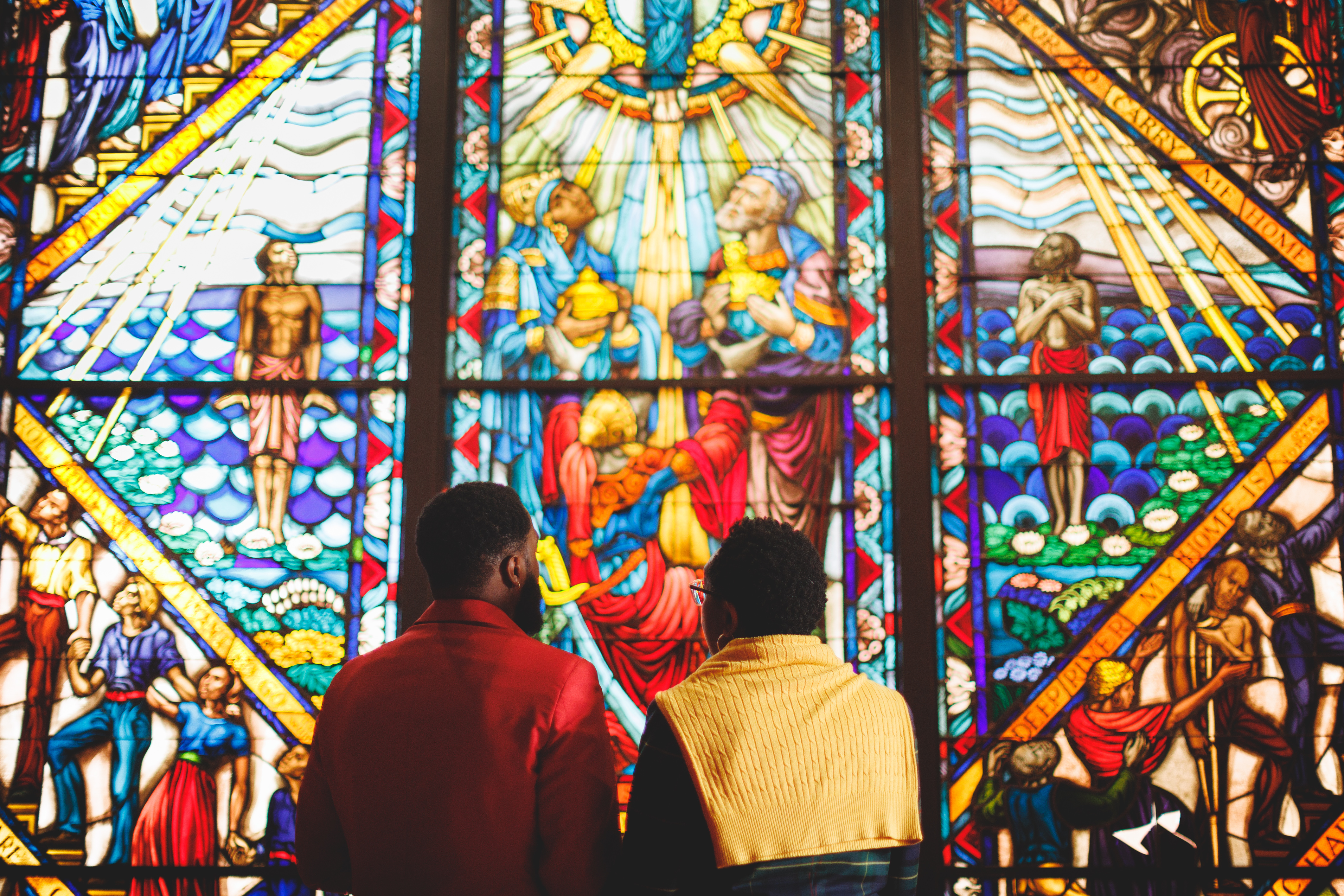
Accelerating all that’s best in Black higher education.Photo credit: Andrew Huth
-
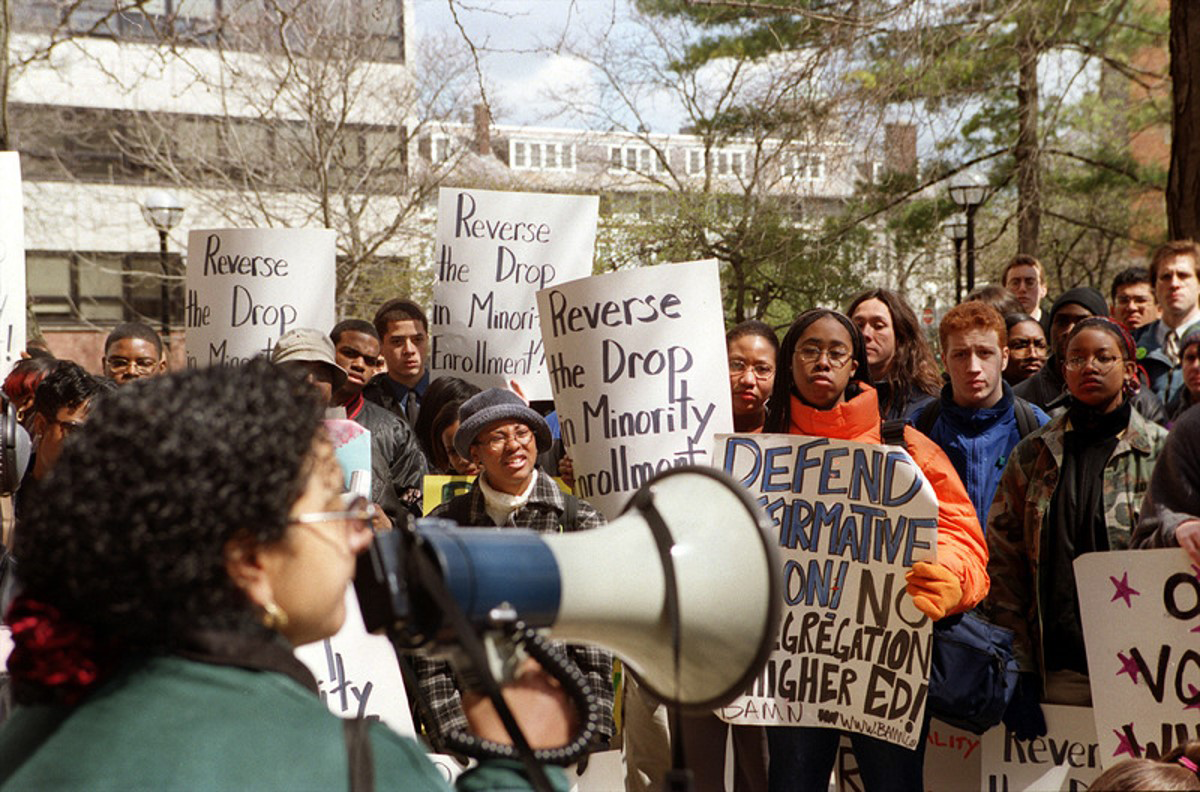
2003
Supreme Court again upholds constitutionality of affirmative action in college admissions. Photo credit: PBS
-
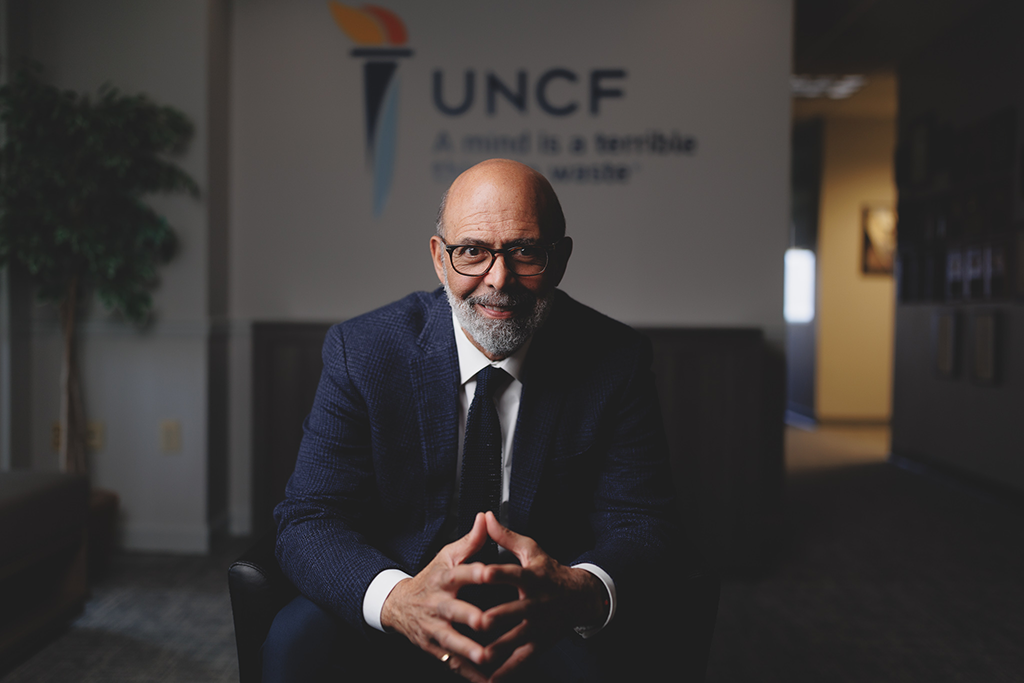
2006
UNCF Institute for Capacity Building established by new president, Dr. Michael L. Lomax.Photo credit: Andrew Huth
-
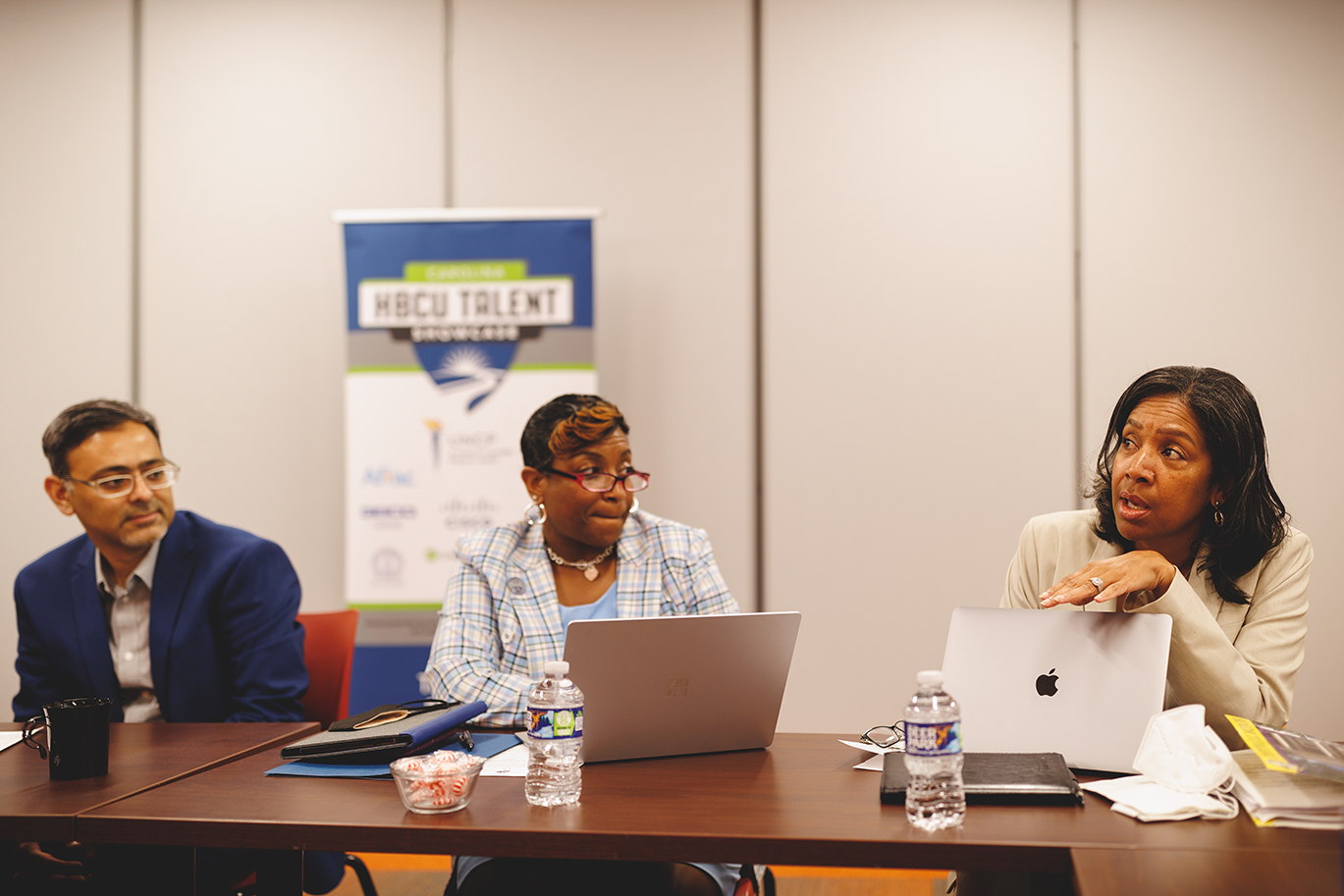
2007
ICB launches Fiscal and Strategic Technical Assistance Program (FASTAP).Photo credit: Andrew Huth
-
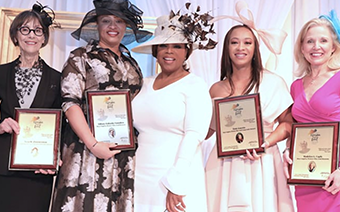
2008
ICB launches first Institutional Advancement Program.
-
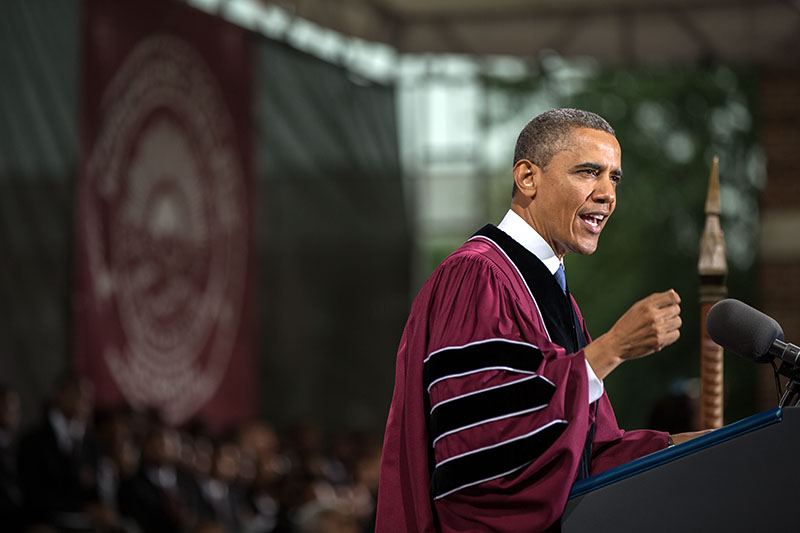
2009
Barack Obama inaugurated
as the 44th President of the U.S.
-
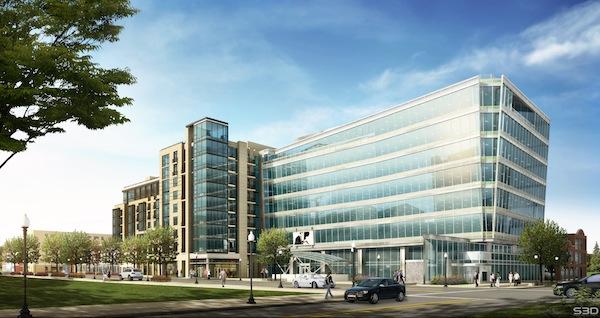
2009
ICB launches Green Building Initiative.
-

2010
ICB launches Digital Media and Learning in Multicultural Contexts Public Forum Series. Photo credit: Andrew Huth
-

2011
ICB releases Enrollment Management Best Practices Guide: A Model for Success.
-
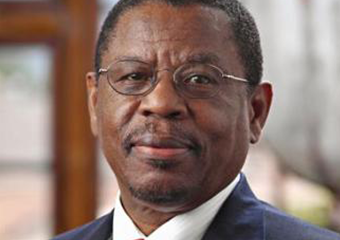
2013
Claflin University's alumni giving hits an all-time high of 52.2%.
-
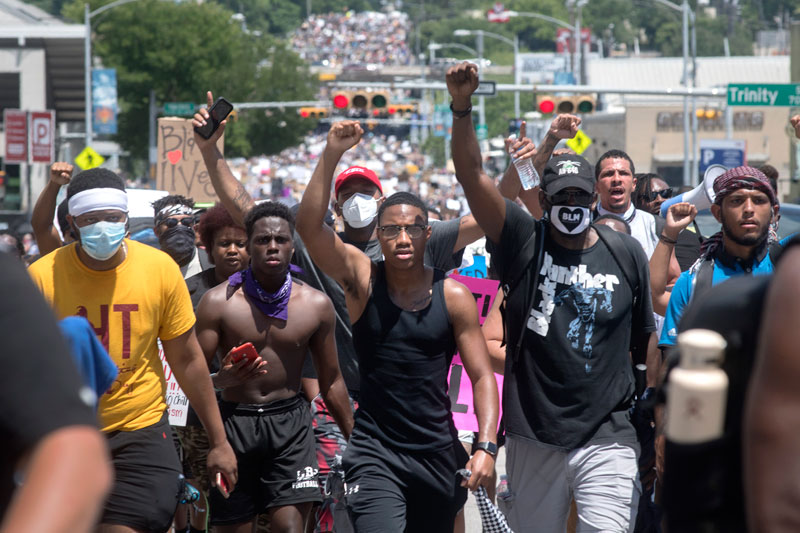
2014
Black Lives Matter leads to national protest and calls for racial justice. Photo credit: Austin Chronicle
-
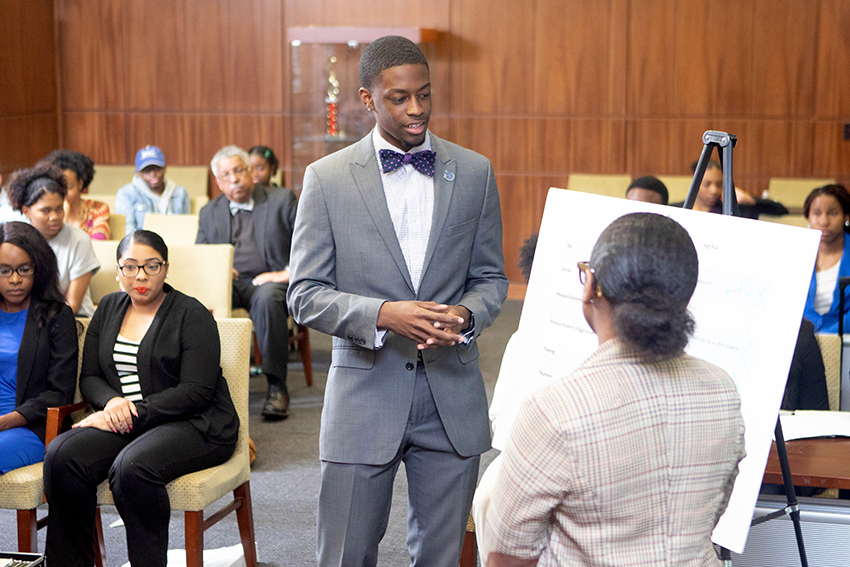
2015
ICB receives groundbreaking grant to implement the Career Pathways Initiative.
-
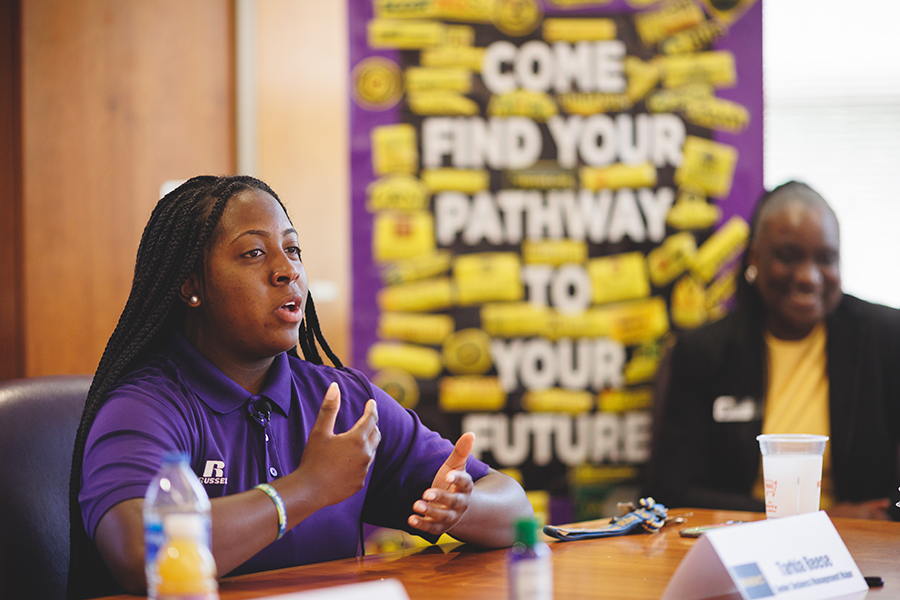
2017
ICB conducts national study on student careers. Photo credit: Andrew Huth
-
2019
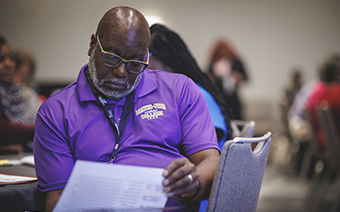
ICB launches the Strategic Finance Institute. Photo credit: Andrew Huth
-
2019
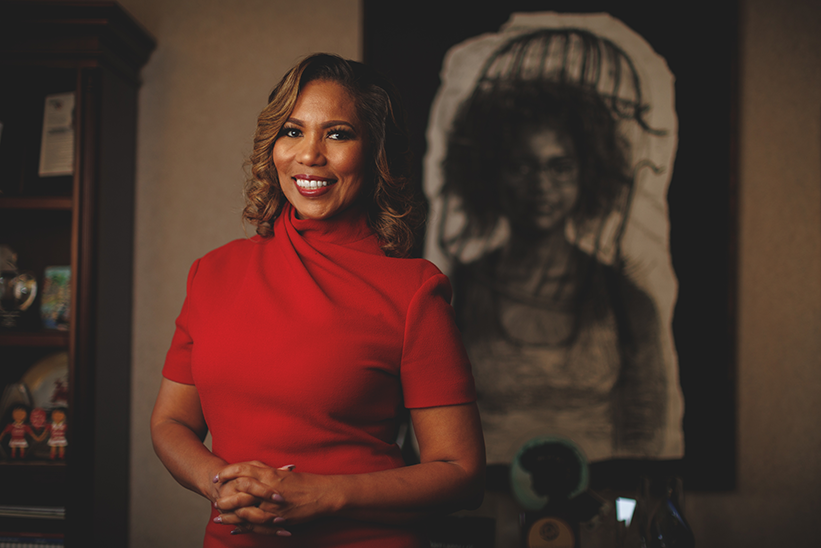
ICB establishes Executive Leadership Institute. Photo credit:Andrew Huth
-
2020
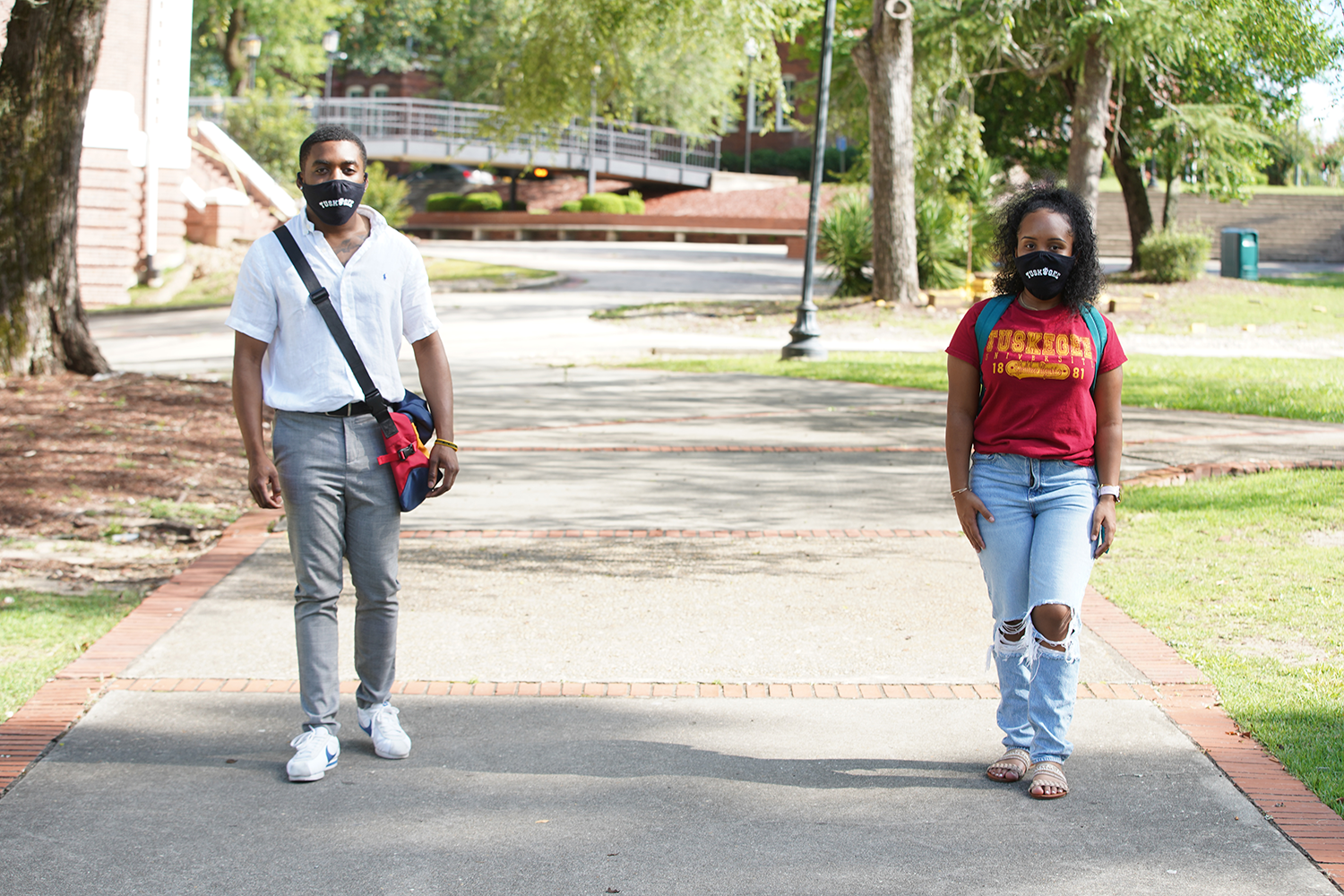
COVID pandemic disproportionately affects Black communities.
-
2020
ICB develops lifelong learning partnership strategy with Harvard and Lightcast.
-
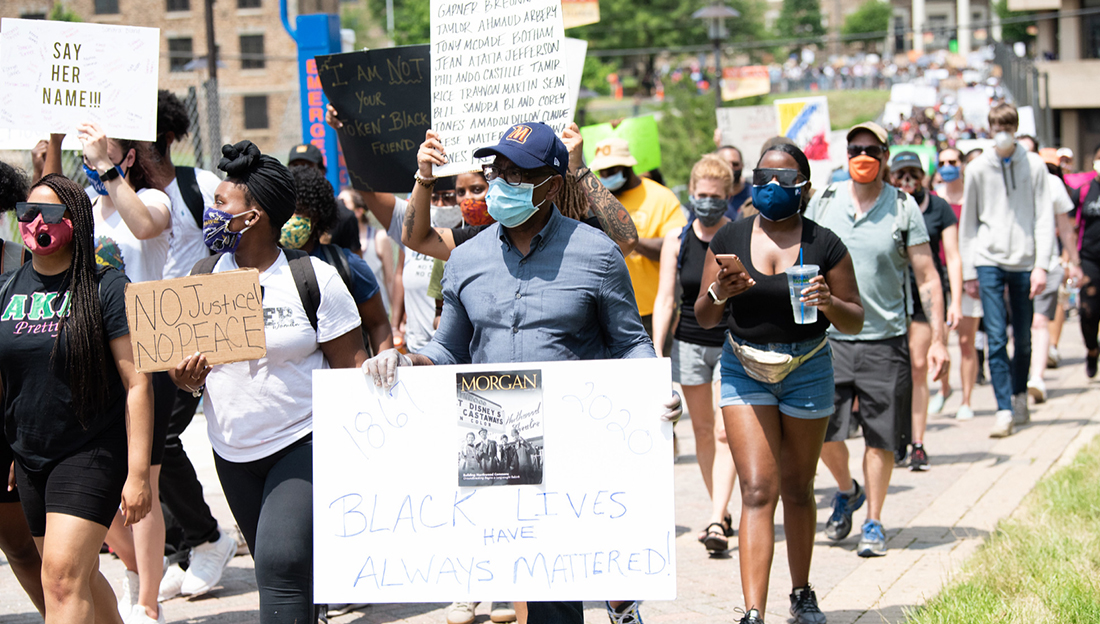
2020
Murder of George Floyd sparks racial awakening. Photo credit: Watch The Yard
-
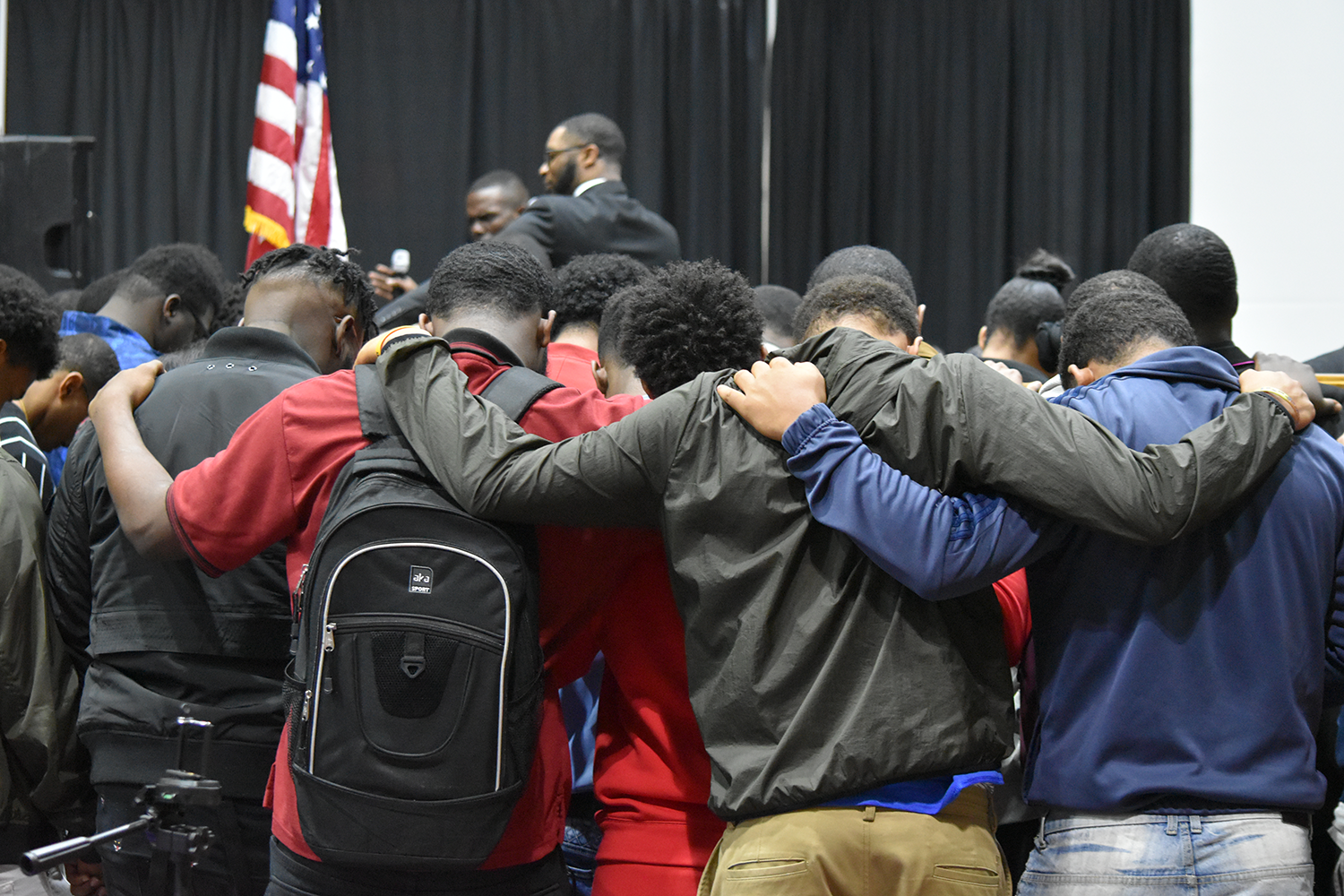
2020
ICB joins national effort to support excluded populations.
-

2020
ICB launches online professional development in response to the COVID pandemic.
-
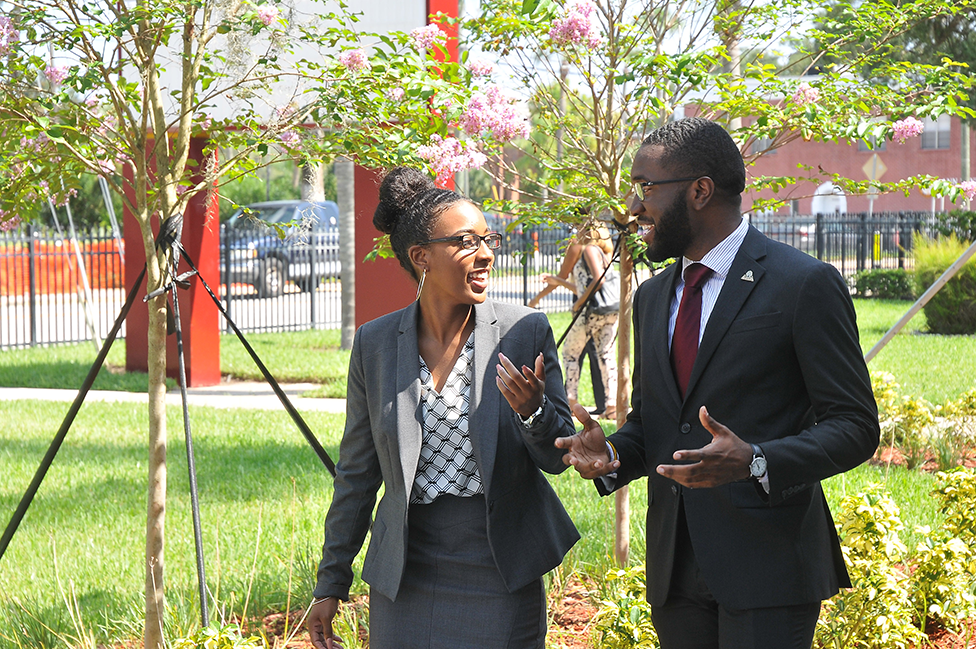
2020
ICB expands transformation network to eight HBCUs and PBIs.
-
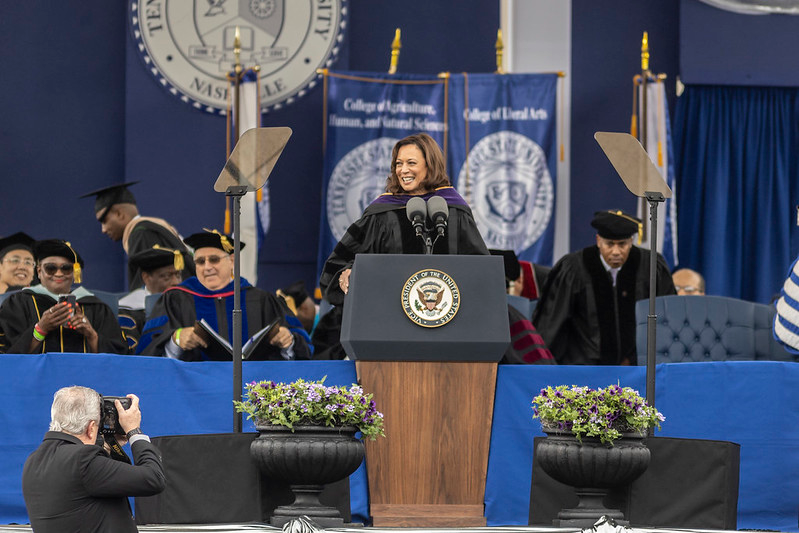
2021
Kamala Harris, Howard University alumna sworn in as Vice President of the U.S.
-
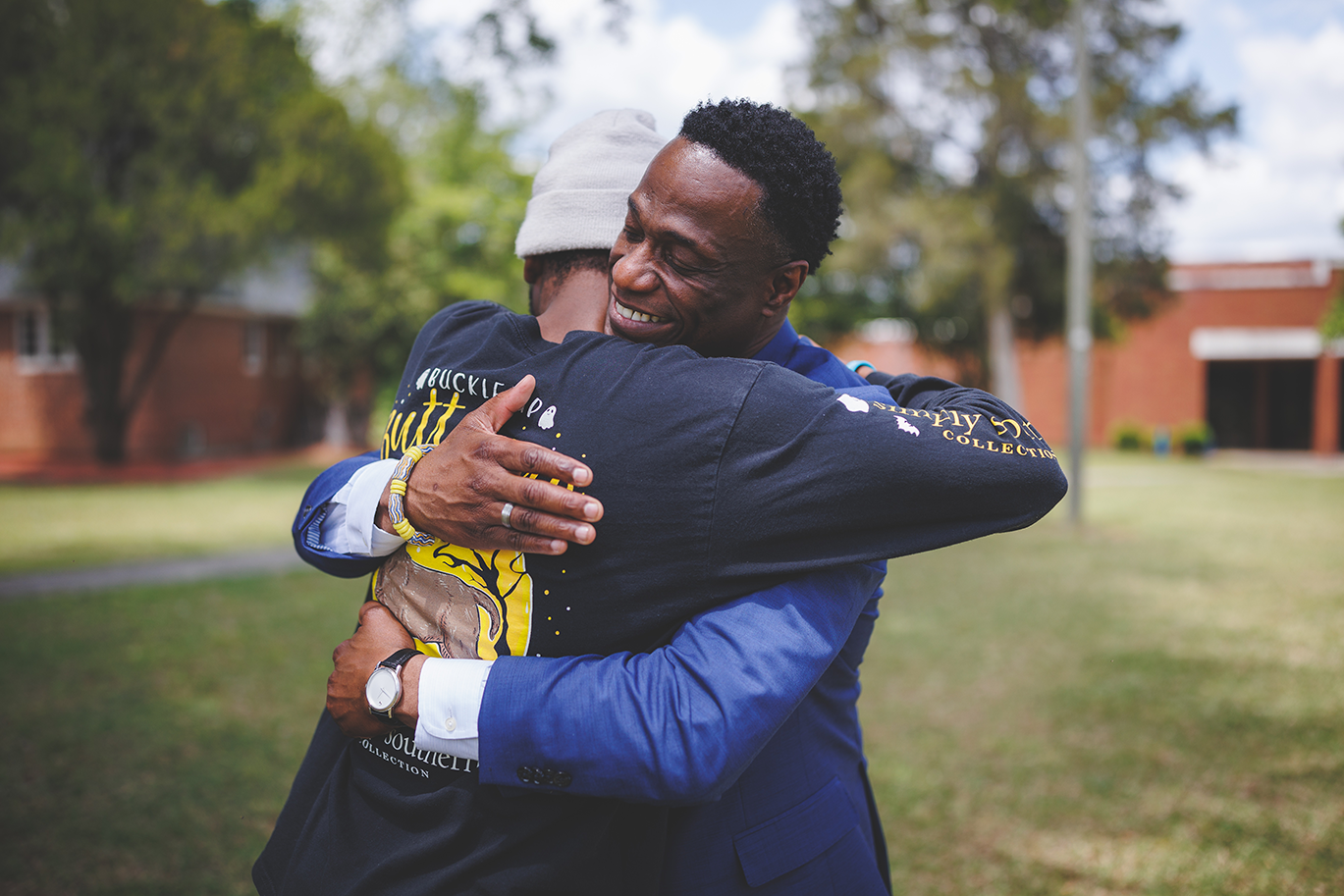
2021
ICB launches mental health partnership with Steve Fund. Photo credit: Andrew Huth
-
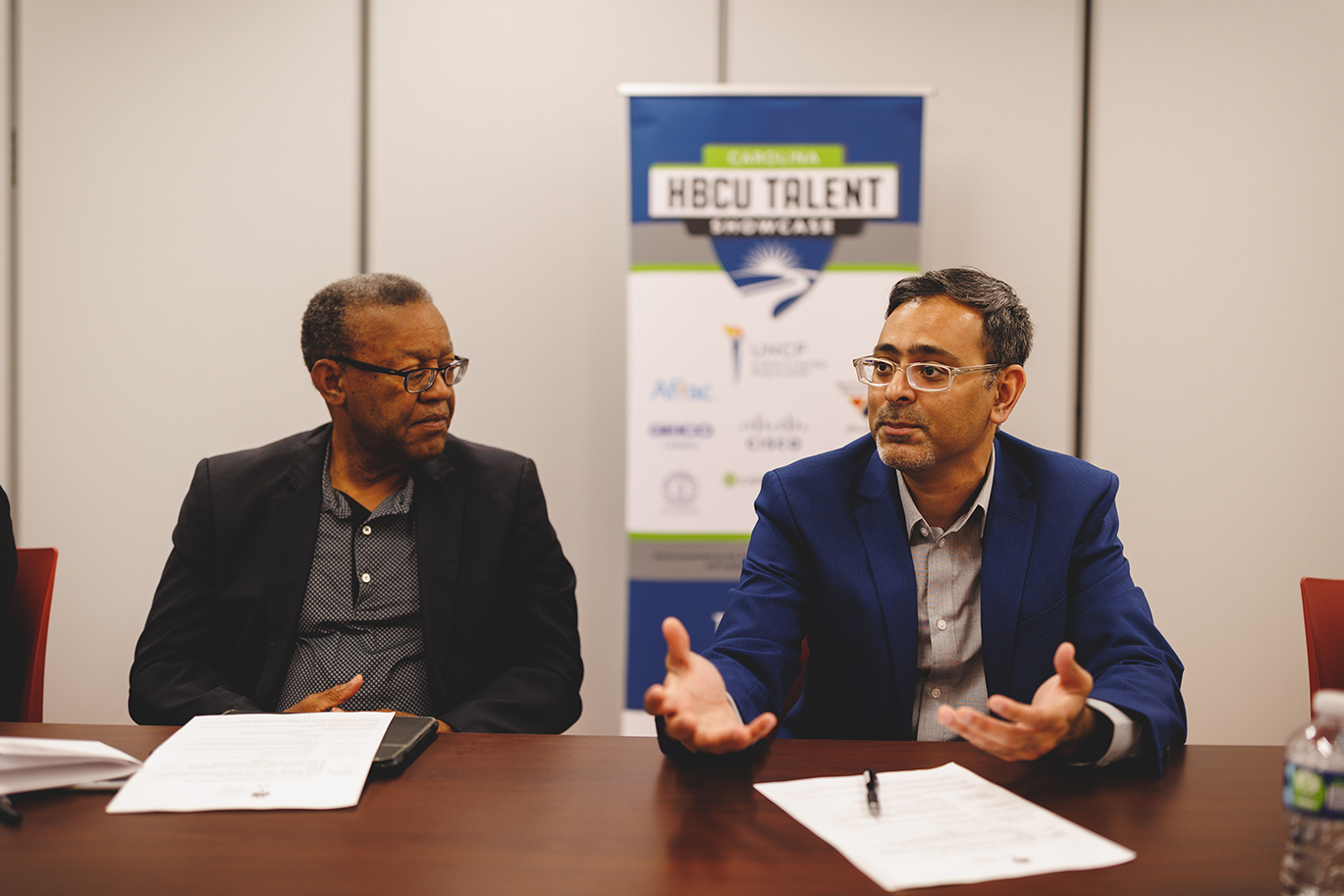
2021
ICB, Excelencia in Education and the Coleridge Initiative partner to enhance data capacity at HBCUs and HSIs. Photo credit: Andrew Huth
-
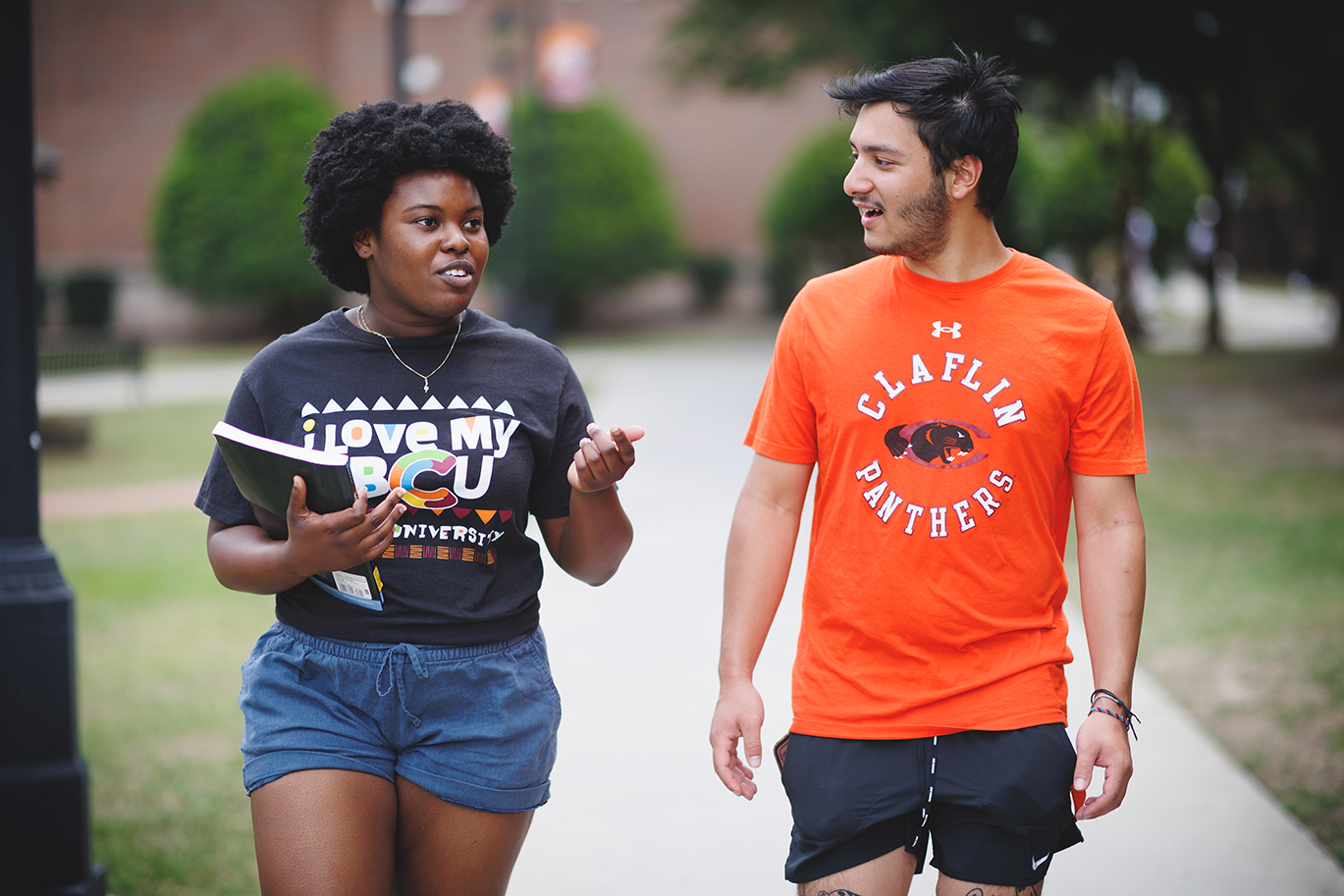
2021
HBCUs begin receiving record donations. Photo credit: Andrew Huth
-
2021
Morgan State University receives largest single-alum contribution ($20 million from Calvin E. Tyler, Jr.).
-
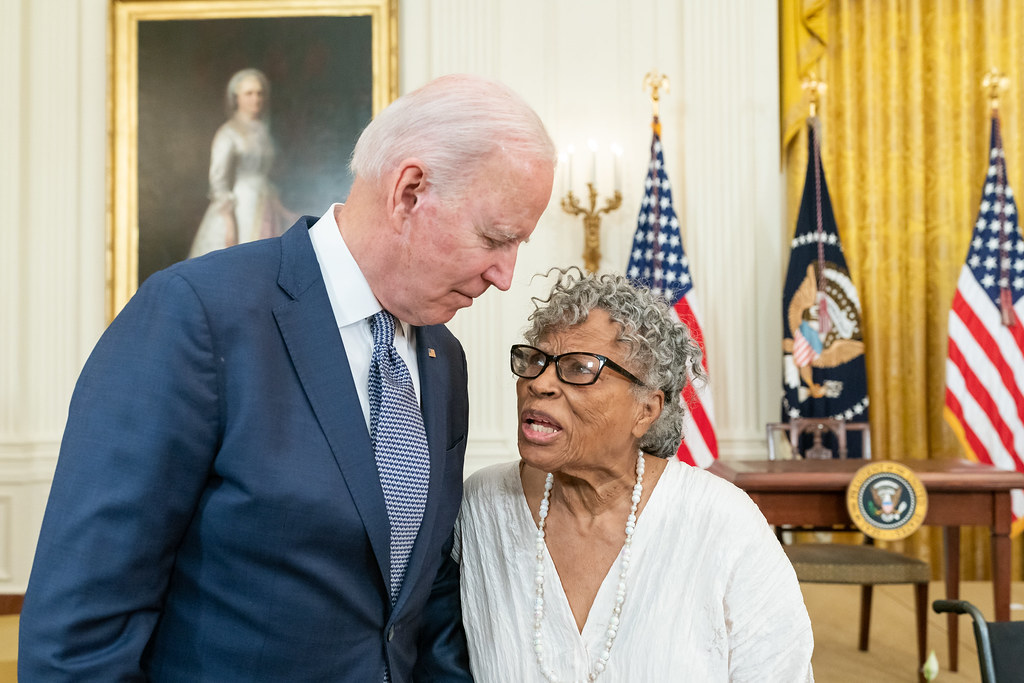
2021
Led by Opal Lee (Wiley College alumna), Juneteenth designated a federal holiday.
-
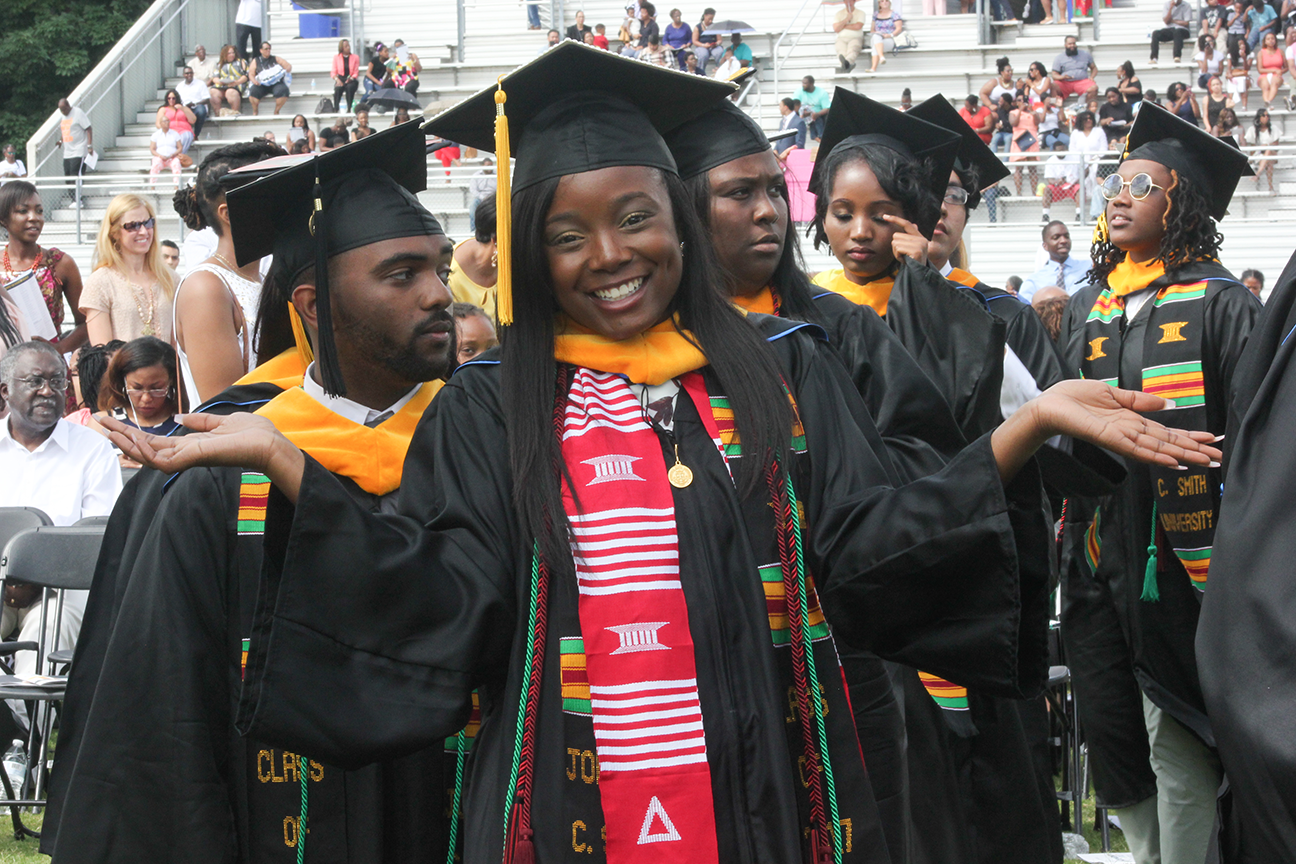
2022
ICB receives funding to support transformation at seven HBCUs.
-
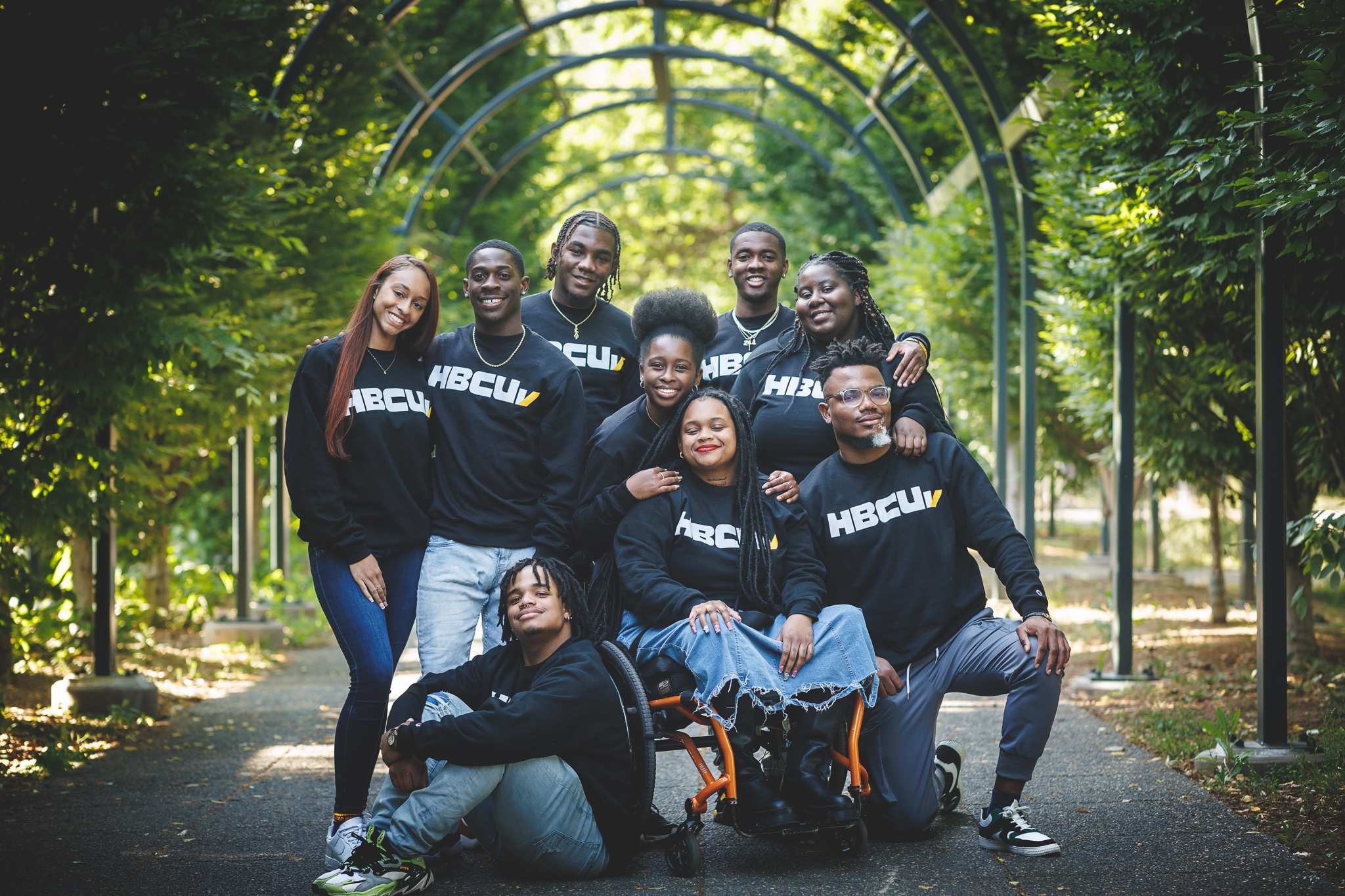
2022
HBCUv launch announced by UNCF in partnership with an HBCU steering committee. Photo credit: Andrew Huth
-
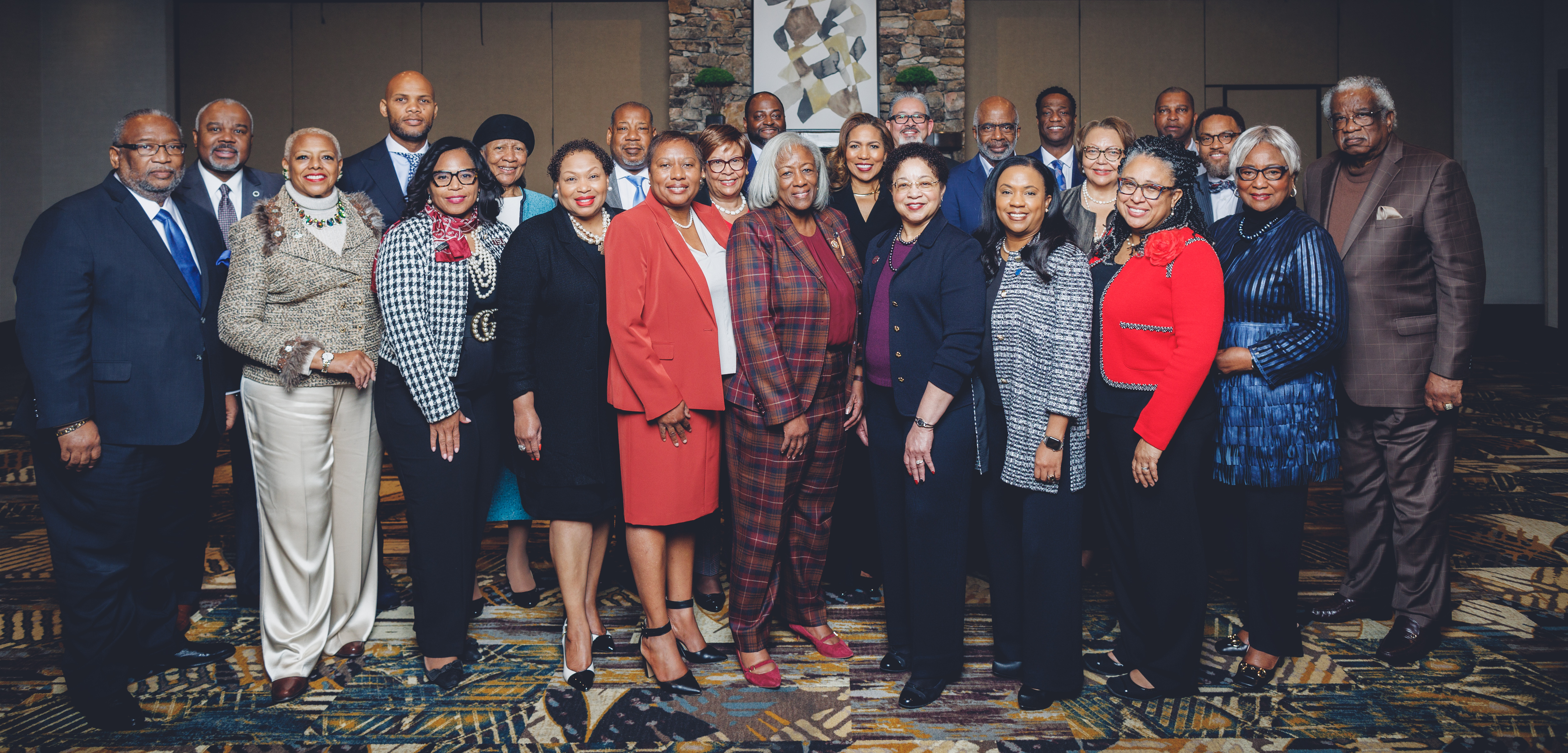
2022
UNCF and Thurgood Marshall College Fund announce joint HBCU Transformation Project. Photo credit: Andrew Huth
-
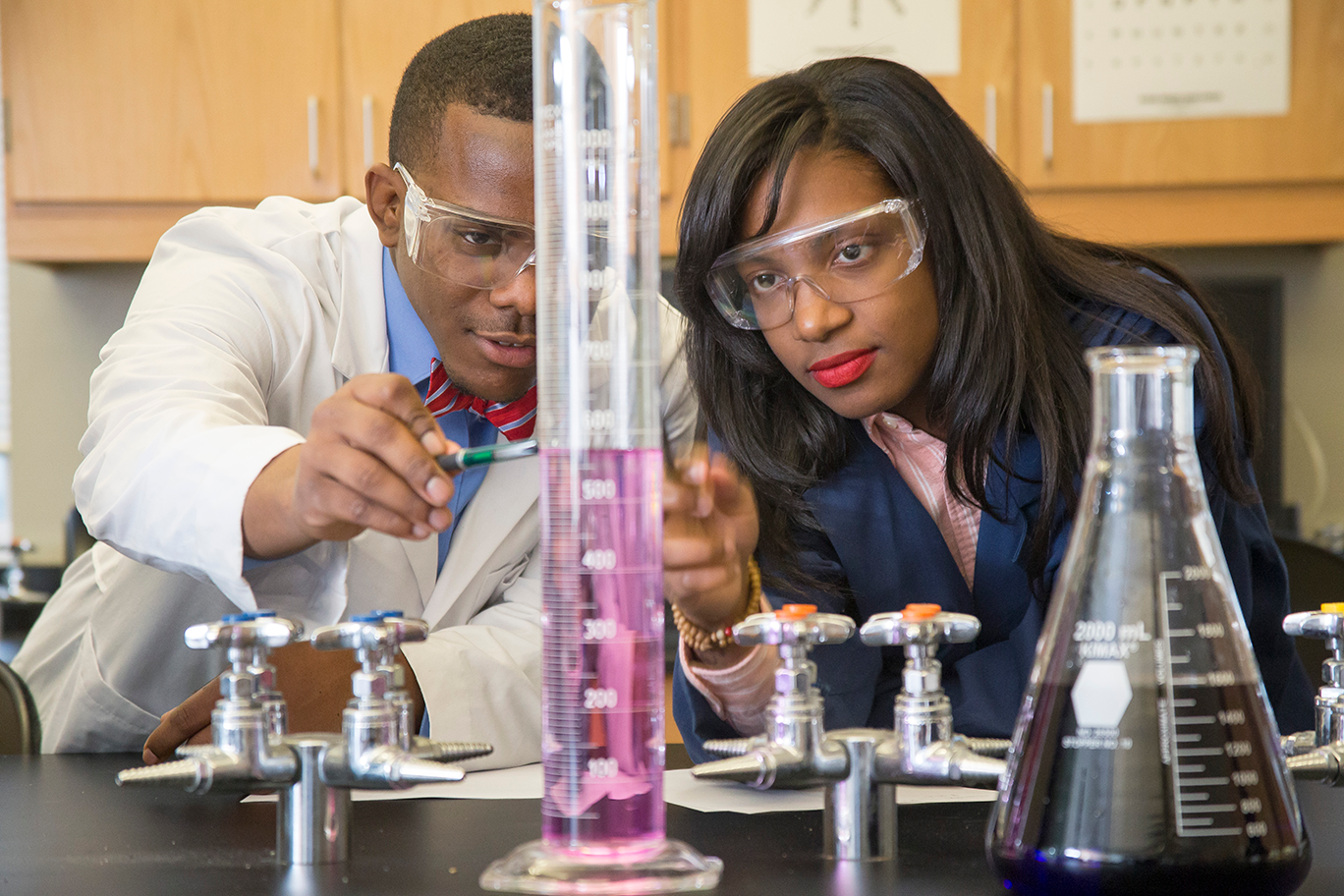
2022
ICB selected among six organizations for Intermediaries for Scale national transformation effort.
-
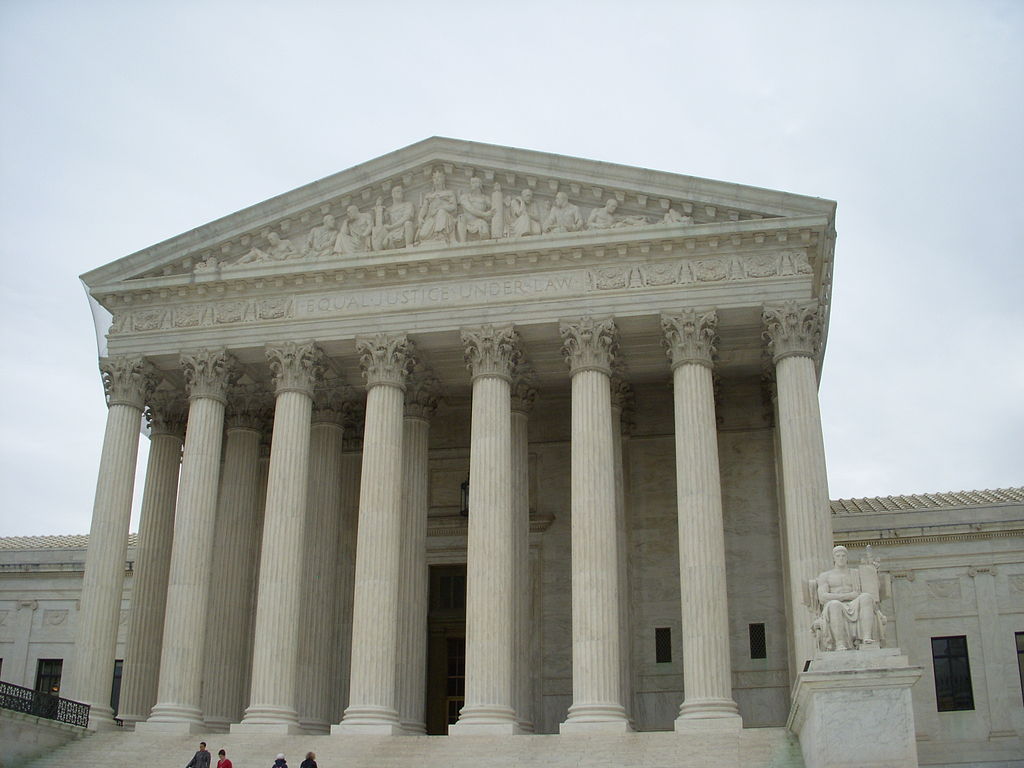
2023
Supreme Court strikes down affirmative action in college admissions, spurring on the fight for racial justice and educational equity.
Special thanks to: Dr. Illya E. Davis at Morehouse College, Dr. Rolundus R. Rice at Tuskegee University,
Andrew Huth, Journal of Blacks in Higher Ed and GETTY IMAGES.
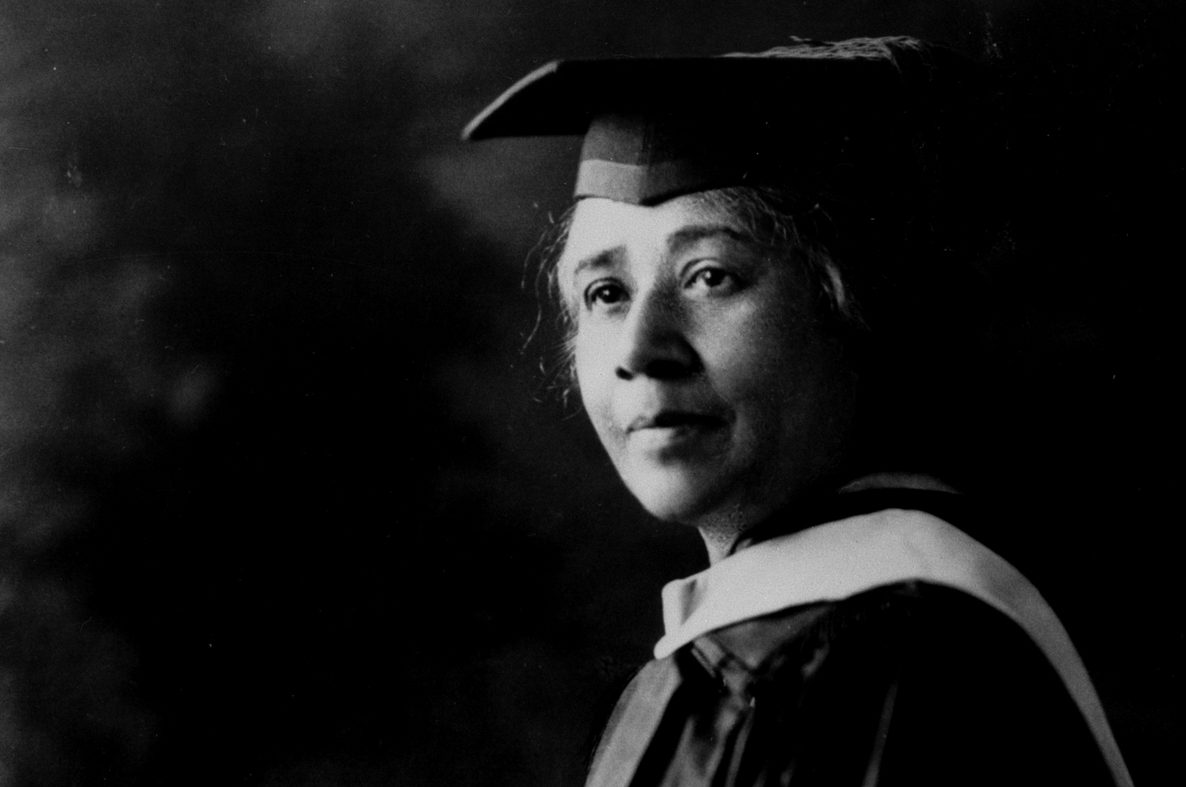
The Historic Evolution of HBCUs and other Mission Aligned Institutions
1906 Frelinghuysen University
An adult education university in the nation’s capital was founded by Jesse and Rosetta Lawson for “colored” working people. Later, the university was led by Dr. Anna Julia Cooper, a Black feminist pioneer who helped advance the “New Negro” movement of the 1930s.
LEARN MORE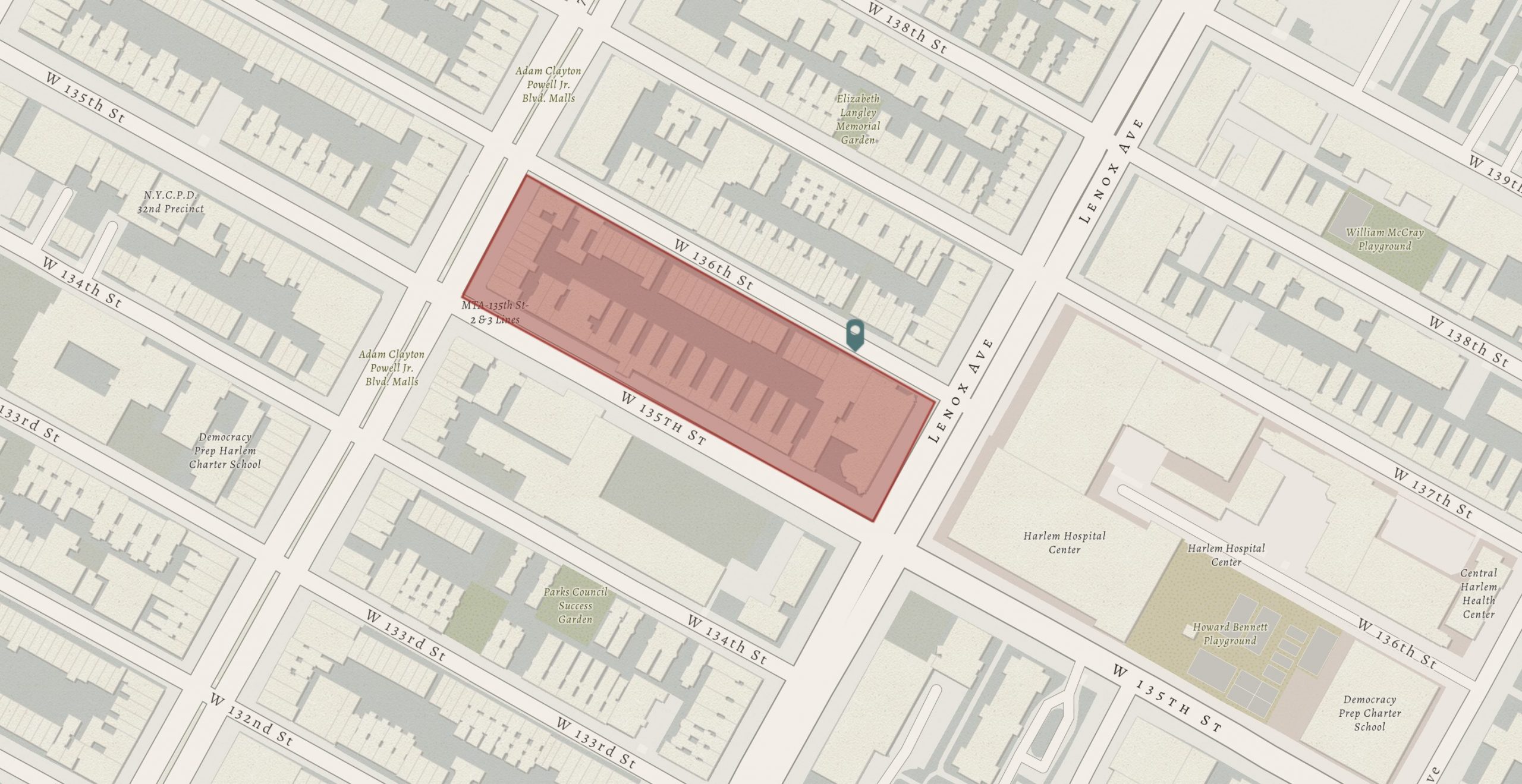
The Historic Evolution
of Black Adult Education
1931 The Harlem Experiment
Based in New York and Atlanta, the “experiment” was designed to raise literacy in Black communities, were three-fourths of all adults had left primary school before fourth grade. The adult education program focused on taking into account community perspectives – a rare approach then.
LEARN MORE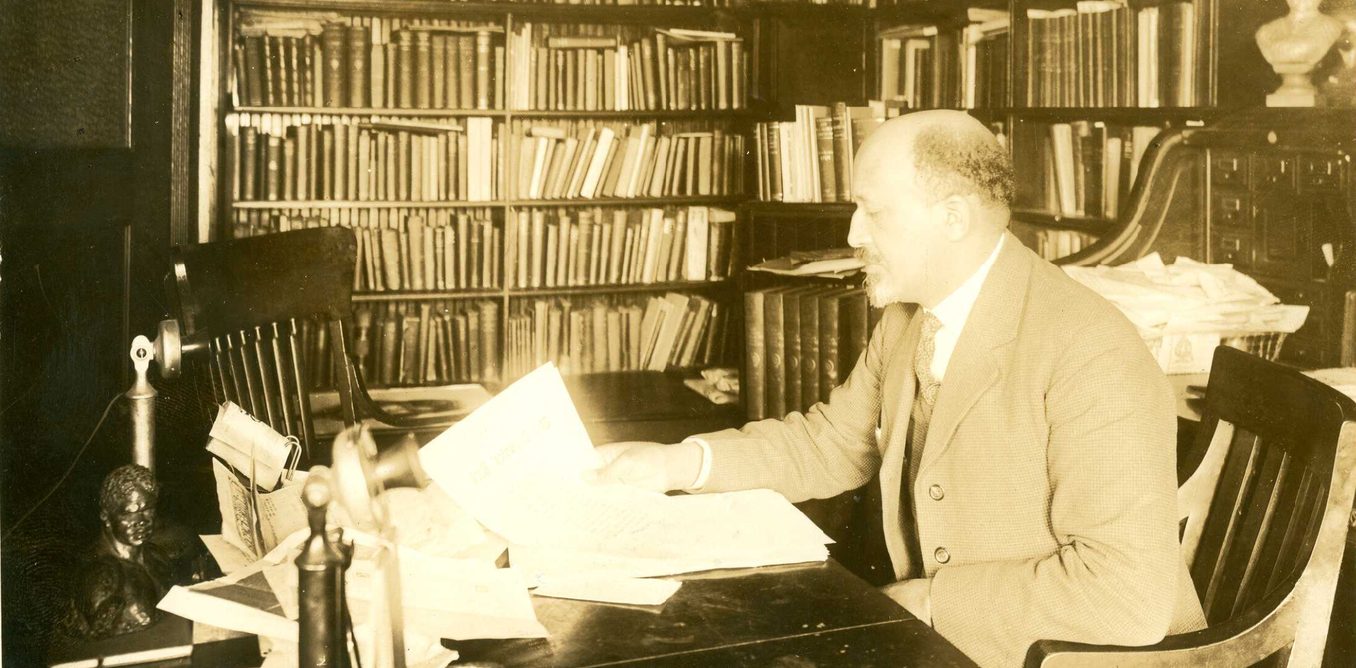
The Historic Evolution
of Black Adult Education
1942 The Atlanta University People’s College
“The college for all people,” was conceived by W.E.B Du Bois and Ira De Augustine and was designed to engage in intentional community education.
LEARN MORE
June 27 - July 1, 2027
Signia by Hilton | Atlanta, GA