Project ACCLAIM in Boston: Advancing Structured Pathways into Asset Management
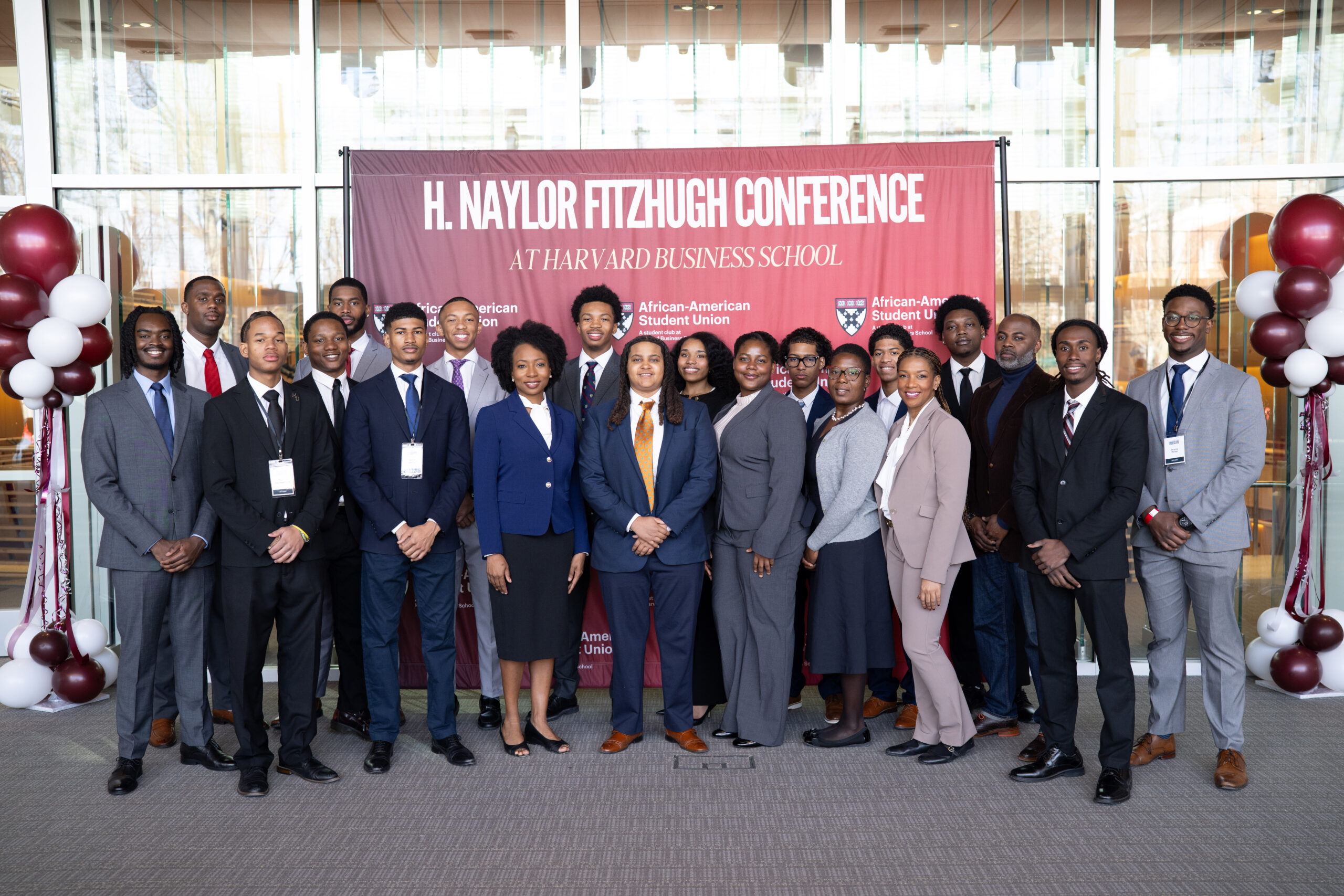
Project ACCLAIM’s recent visit to Boston, coordinated by UNCF’s Institute for Capacity Building (ICB), reflected a deliberate, multi-campus effort to strengthen durable pathways into asset and investment management. Students from Benedict College, Florida A&M University, Howard University, Morehouse College, and Morgan State University participated alongside faculty leaders, underscoring a collective commitment to expanding access, elevating preparation, and aligning institutional strategy with the realities of capital markets.
Designed and orchestrated by ICB as part of its broader strategy to expand representation within high-impact sectors, the Boston experience centered on three interconnected priorities: technical fluency, ecosystem exposure, and pipeline continuity. Through engagement with Income Research + Management (IR+M) and participation in the 53rd Annual H. Naylor Fitzhugh Conference at Harvard Business School, students gained a comprehensive view of both the execution and influence dimensions of capital markets.
Technical Fluency: Inside Income Research + Management (IR+M)
The visit to Income Research + Management (IR+M), a Boston-based fixed income asset manager, provided students and faculty with direct exposure to institutional investing in practice. Discussions centered on portfolio construction, duration strategy, risk management, and long-term client stewardship — core competencies that shape fixed income performance across market cycles.

By examining how capital is allocated, evaluated, and preserved at scale, students were able to connect academic preparation with professional standards. The environment underscored that asset management requires analytical rigor, disciplined decision-making, and fiduciary responsibility.
Faculty engagement during the visit further strengthened the experience. Conversations extended beyond student career pathways to include broader questions about curriculum alignment, experiential learning, and how institutions can continue to prepare students for increasingly competitive sectors of the financial services industry.
IR+M’s partnership demonstrated the value of industry collaboration that moves beyond visibility toward substantive engagement. Structured access to operational insight is essential to expanding representation within asset management.



Ecosystem Exposure: The H. Naylor Fitzhugh Conference at Harvard Business School
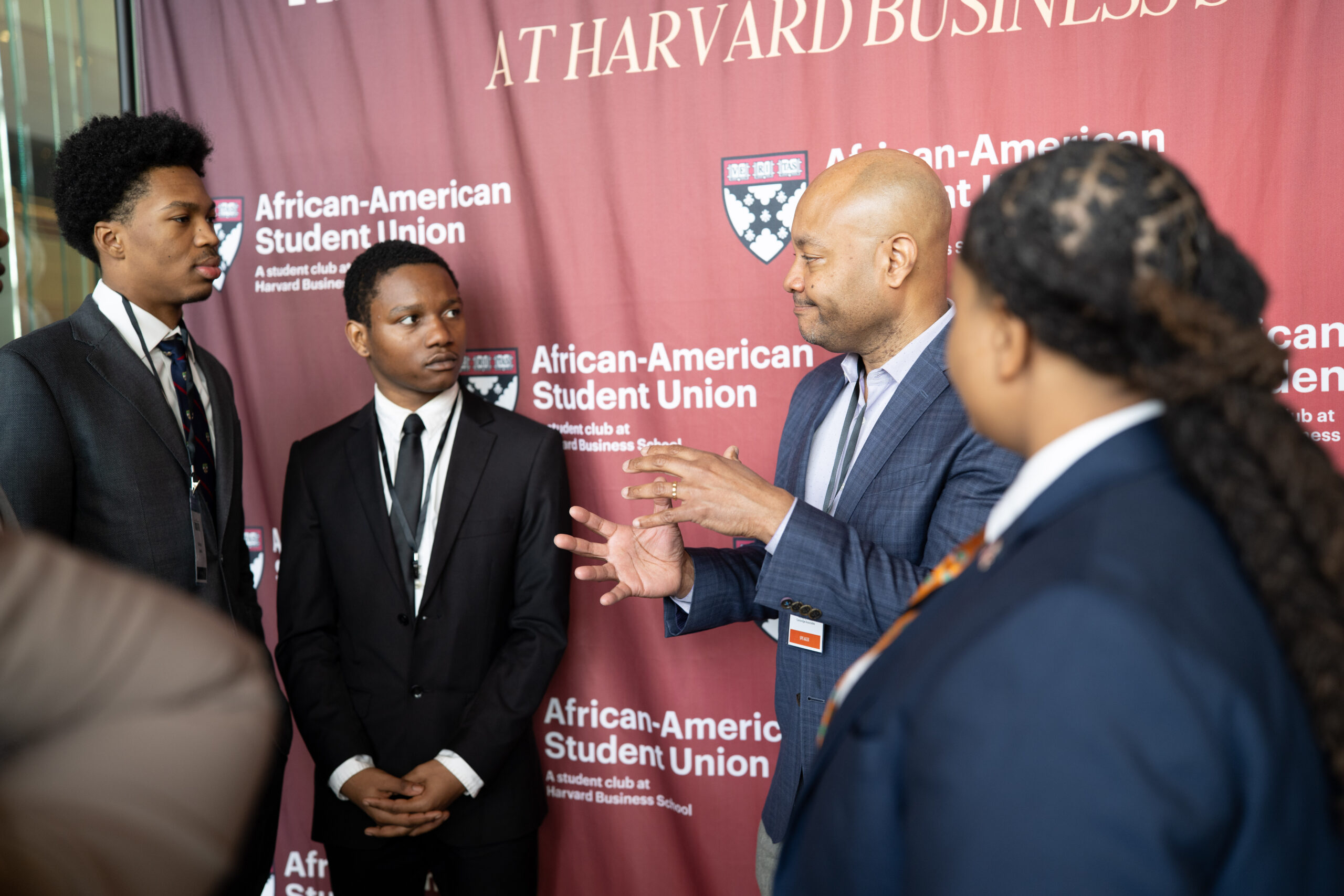
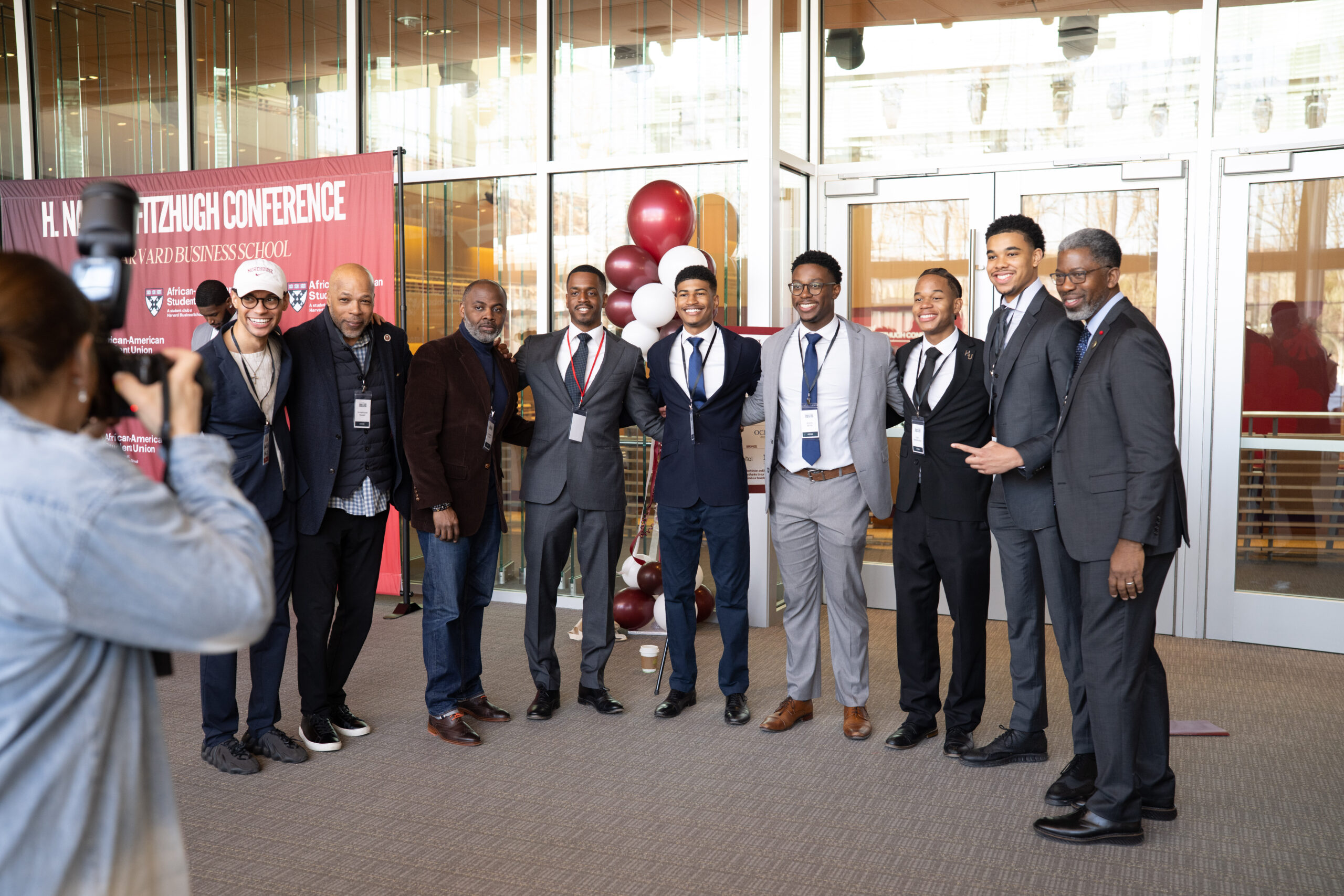
Participation in the 53rd Annual H. Naylor Fitzhugh Conference — hosted by the African American Student Union at Harvard Business School — expanded the collective’s perspective on leadership and industry influence. The conference convened executives, founders, investors, and graduate students for dialogue centered on ownership, innovation, and long-term wealth creation.
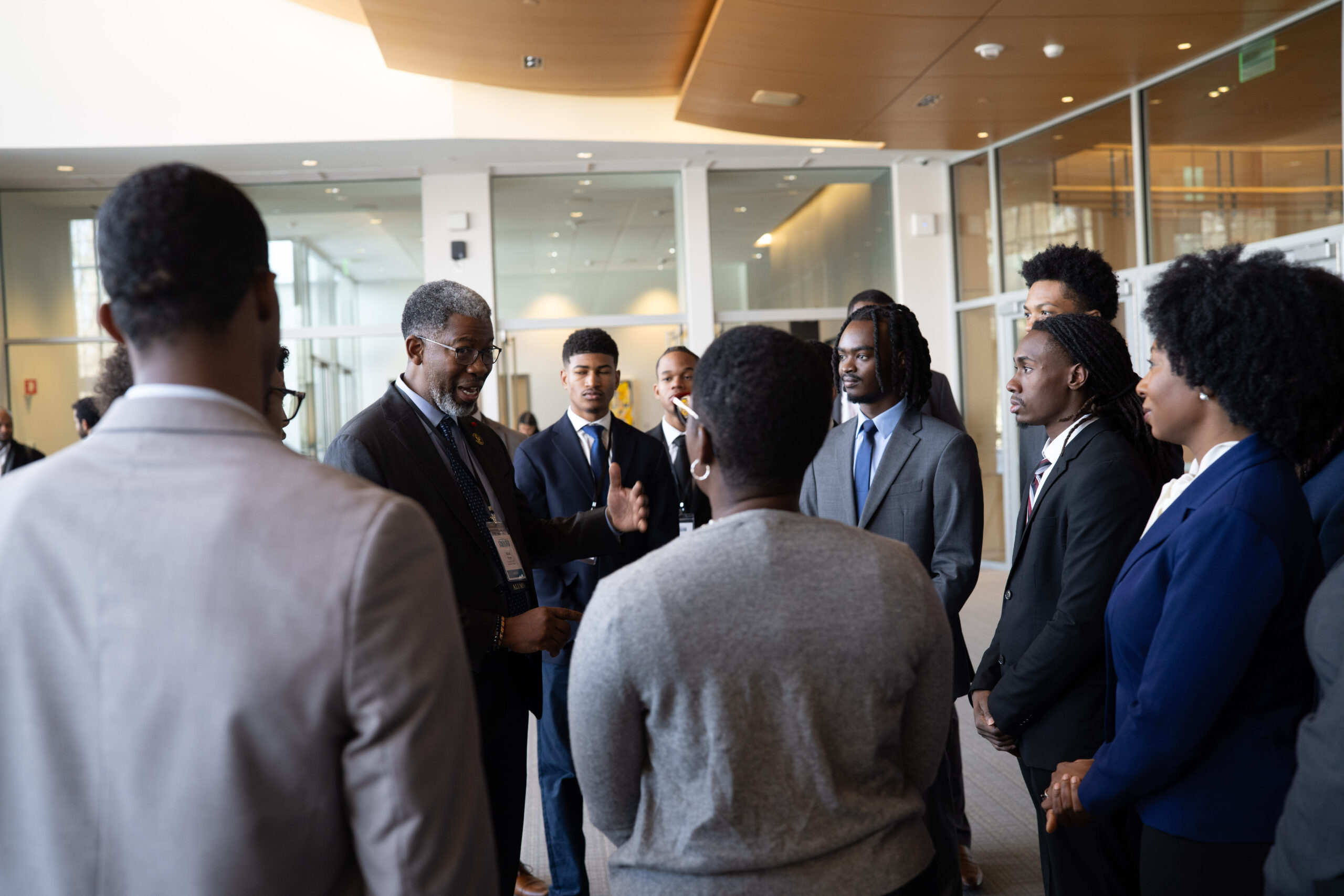
For ACCLAIM students, the conference offered exposure to national networks operating across finance and corporate leadership. Engagement extended beyond formal sessions to meaningful peer and professional connections that deepen understanding of how influence is cultivated within capital markets.

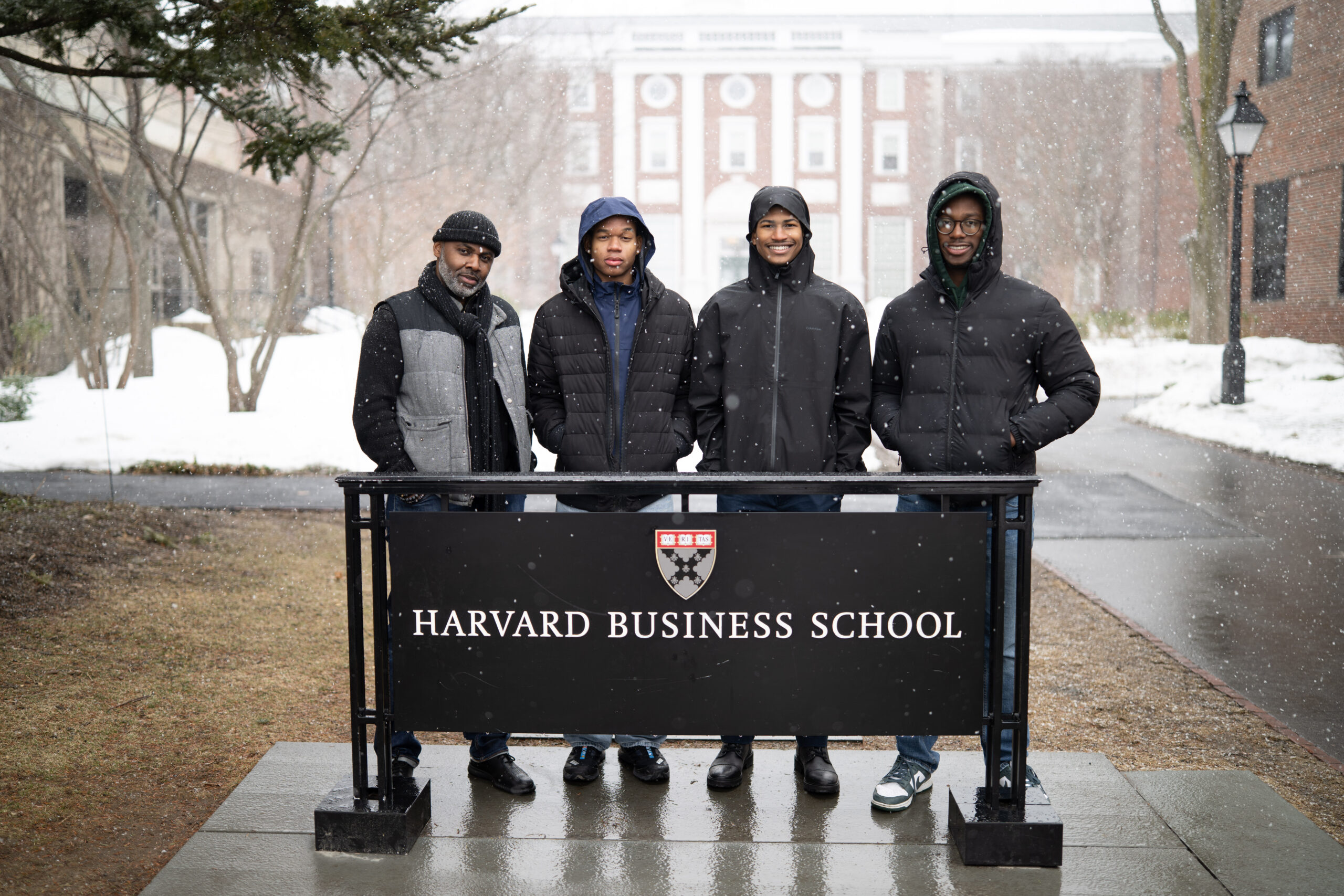
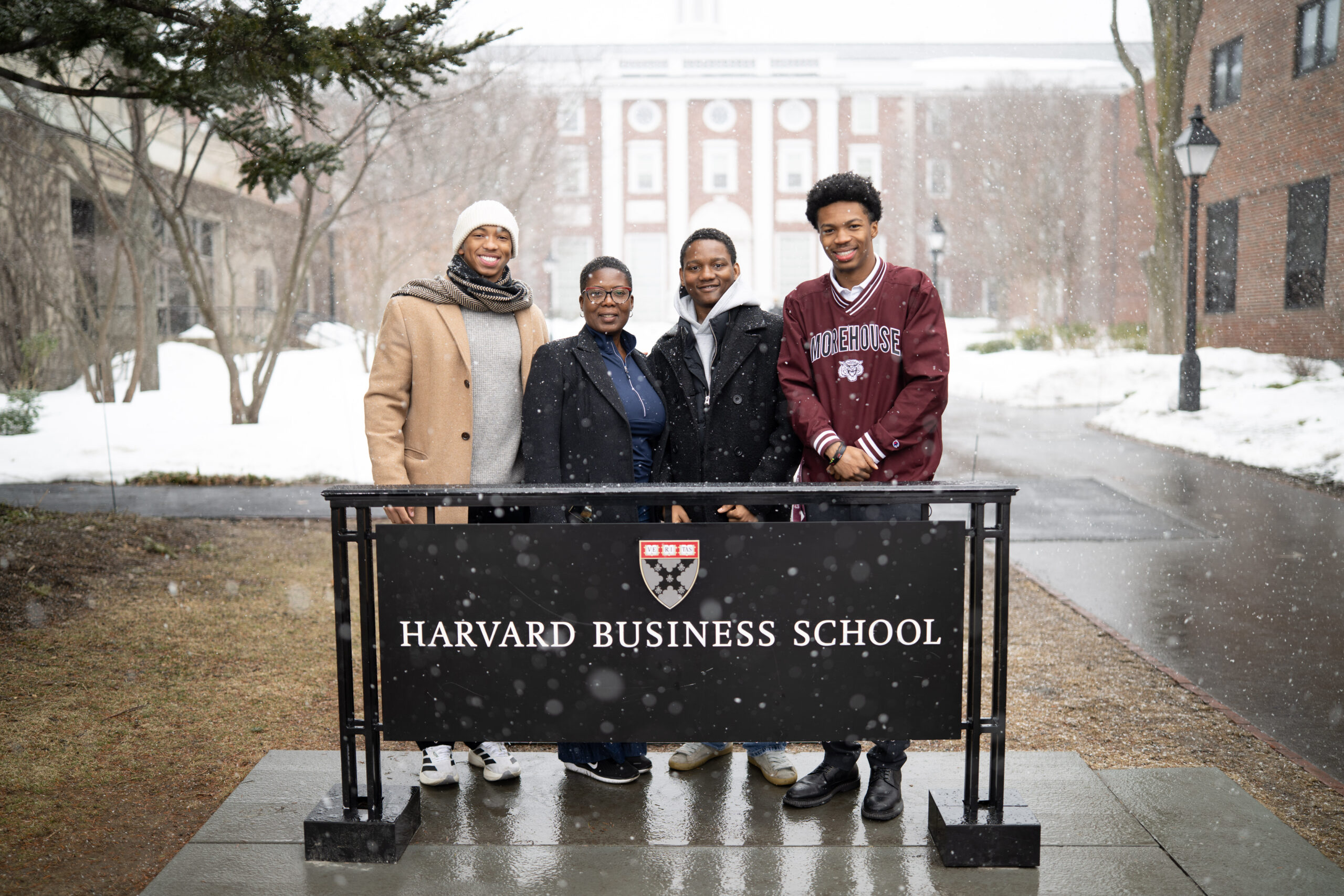
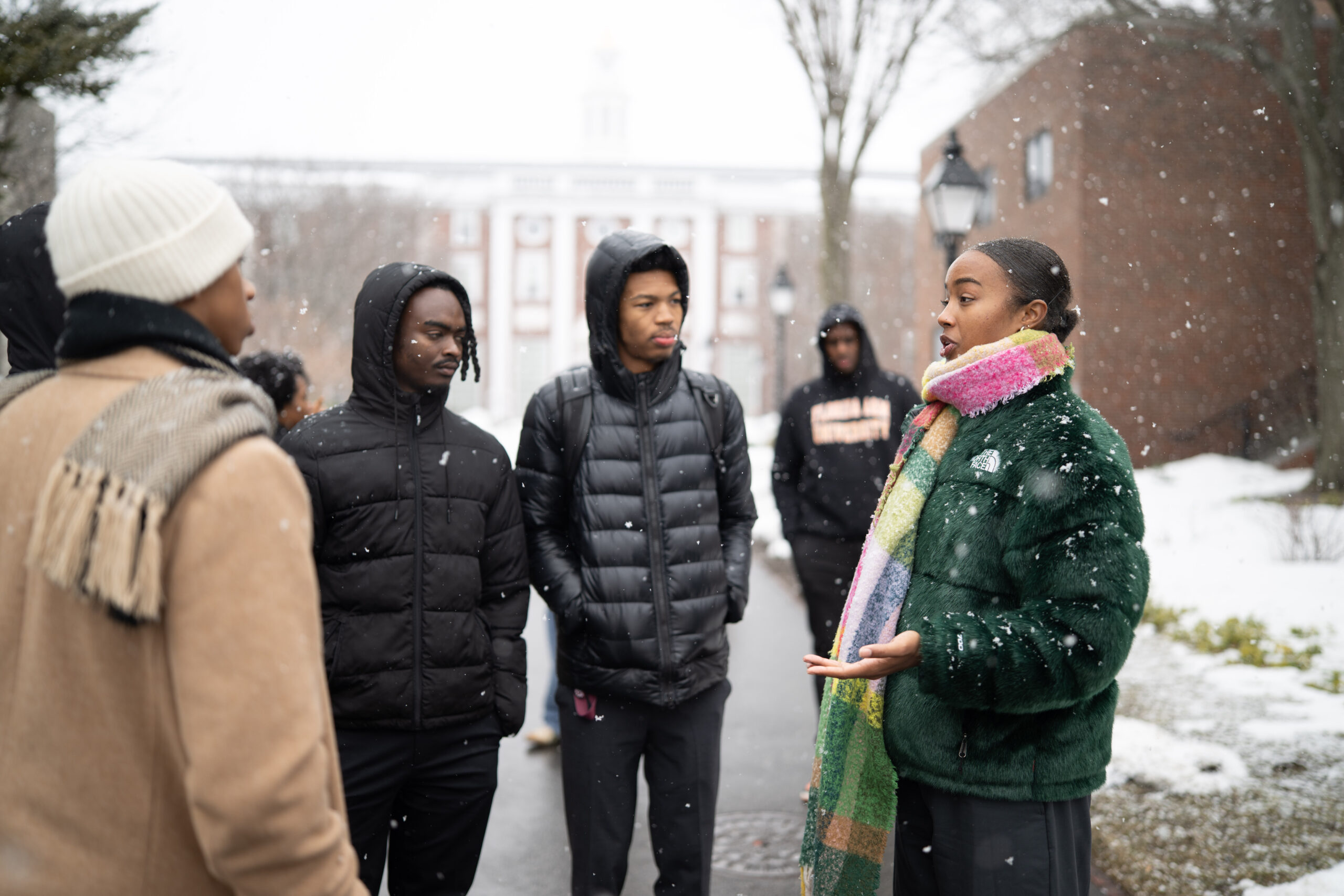
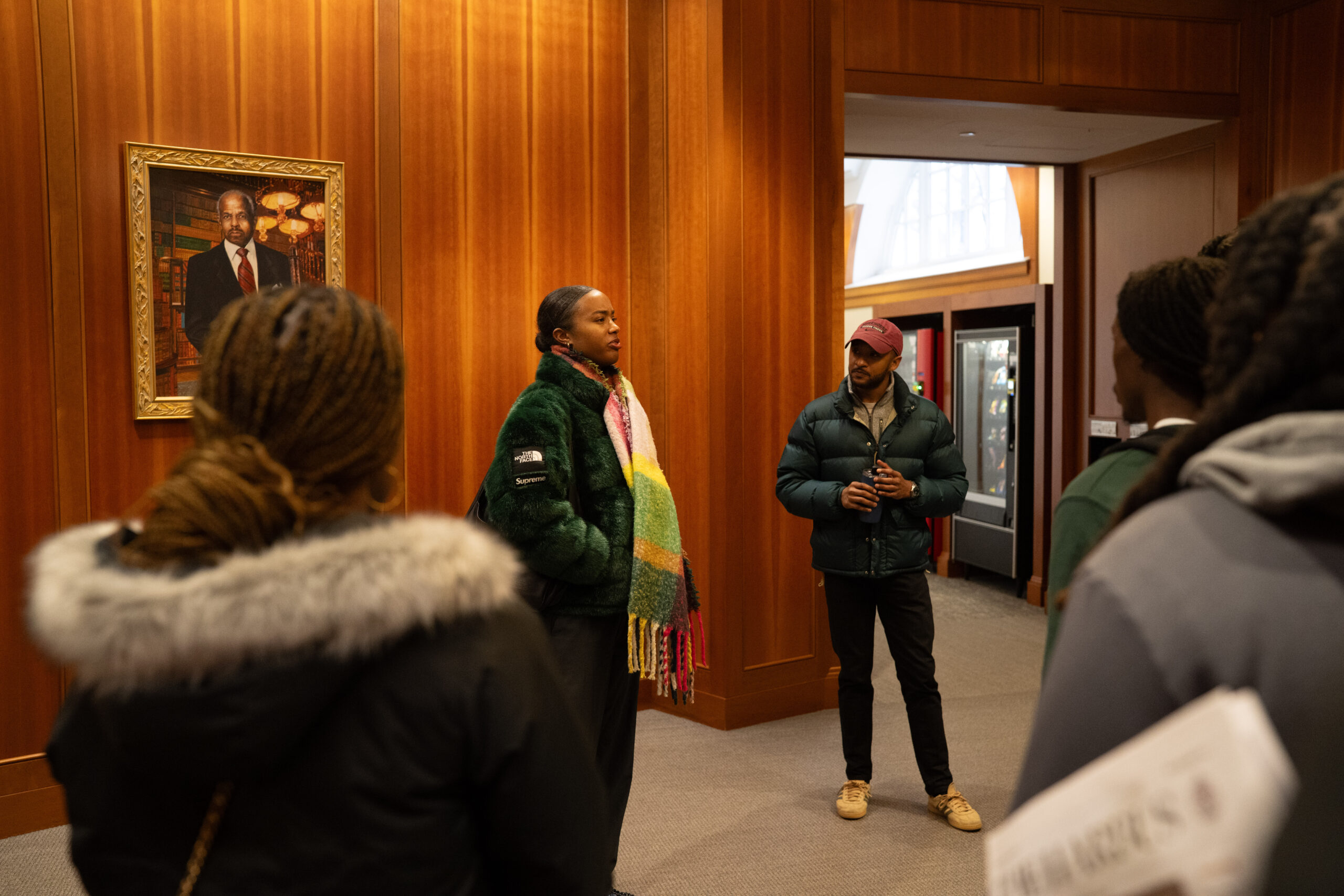
A particularly resonant element of the experience was a campus tour led by two current Harvard Business School students — one a graduate of Morehouse College and the other a graduate of Spelman College. Their presence illustrated the continuity of HBCU excellence across educational stages and professional trajectories.


Project ACCLAIM’s visit to IR+M and Harvard Business School was nothing short of transformational for our students. Watching them step confidently into these world-class learning environments — and be embraced as emerging leaders — reaffirmed exactly why this work matters. Their potential was on full display, and the partnerships that made this experience possible are helping shape the future of HBCU talent in finance.”
— Dr. Shawn Thomas, Director of Investment Leadership Programs
Pipeline development is strengthened when institutions remain connected across these stages. Seeing that continuity firsthand reinforces that advancement within elite financial and business institutions is not exceptional — it is attainable through sustained preparation and collaboration.
Collaboration as Institutional Infrastructure
The Boston experience reflected deliberate coordination among students, faculty, industry partners, and program leadership. Project ACCLAIM operates on the principle that representation within asset and investment management must be built through infrastructure, not isolated exposure.
Industry partners provide operational transparency and technical engagement. Institutions align academic preparation with evolving market standards. Faculty participation reinforces institutional commitment. Students engage with clarity and discipline.

When these elements align, access becomes structured rather than incidental.
The participation of multiple HBCUs in this visit signals a collective approach to expanding opportunity within capital markets. Cross-institution collaboration strengthens both the student experience and the broader capacity of participating campuses to refine programming related to investment education and experiential finance.
Institutional Implications
Asset management remains a sector with outsized influence on endowments, pension systems, capital allocation, and generational wealth formation. Increasing representation within this industry is directly connected to broader goals of economic mobility and institutional resilience.
Experiences such as this sharpen institutional awareness of what preparation requires. They inform how campuses can evolve coursework, strengthen experiential opportunities, and expand initiatives such as Student Managed Investment Funds to align with industry expectations.
Proximity to capital markets clarifies standards. Structured proximity builds readiness.
A Model Designed for Scale
Project ACCLAIM’s engagement in Boston was not episodic. It reflects a broader strategy to develop sustained, repeatable pathways into asset and investment management. By combining technical exposure, ecosystem access, faculty alignment, and cross-sector partnership, the program advances a model built for scale.
Technical fluency. Ecosystem awareness. Pipeline continuity. Institutional collaboration.
Together, these elements position HBCU students not only to enter capital markets, but to shape them.
Boston demonstrated what coordinated engagement can produce. The continued work ahead will focus on strengthening and expanding that model — ensuring that access to capital markets becomes systemic rather than exceptional.